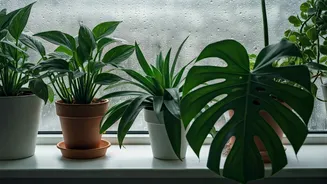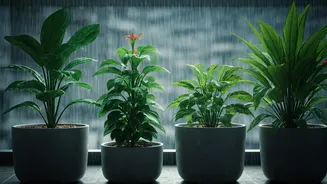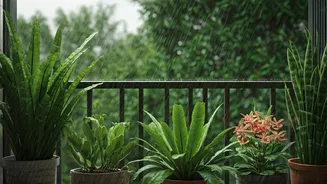




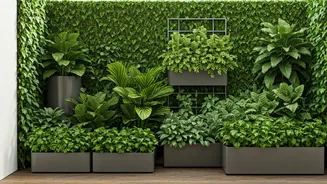


Secret #1: Understand Your Unique Microclimate
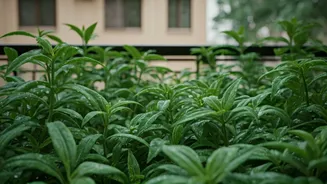
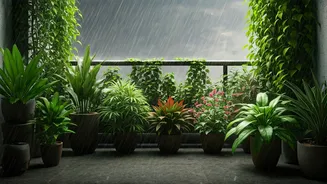
Before buying a single plant, become a student of your balcony. The biggest mistake gardeners make is ignoring their specific conditions. [3] Observe how many hours of direct sun your balcony receives and at what time of day. A south or west-facing balcony gets
intense heat, perfect for sun-lovers like hibiscus, bougainvillea, and vegetables like tomatoes and chillies. [4, 5] An east-facing balcony receives gentler morning sun, ideal for herbs and leafy greens, while a north-facing one is best for shade-loving plants like ferns and money plants. [4, 12] Wind is another critical factor; it can dry out soil quickly and damage delicate plants. [3, 20] Planning for your specific sun and wind exposure is the foundational secret to success. [2, 3]
Secret #2: The Right Home for Your Plants
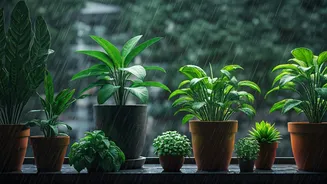
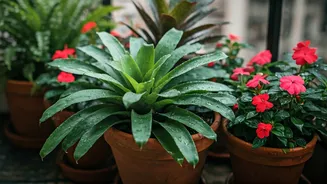
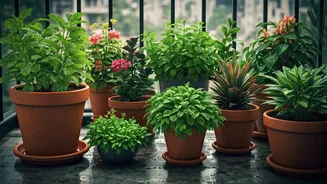
Choosing the right container is about more than just aesthetics; it's about root health. A common beginner error is picking pots that are too small for the plant's mature size. [3] Tomatoes, for instance, need deep pots for their extensive root systems. [3] Excellent drainage is non-negotiable. [3, 7] Every pot must have drainage holes to prevent waterlogging, which leads to root rot, a common killer of container plants. [7, 9, 10] For hot Indian summers, traditional clay or terracotta pots are excellent as they allow roots to breathe, while lightweight grow bags are fantastic for vegetables and help prevent soil from overheating. [5, 14] For tall plants in windy spots, heavier pots provide stability. [20, 27]
Secret #3: It’s All About the Soil Mix
Never use heavy garden soil in your pots. It compacts easily, choking roots and leading to poor drainage. [17, 24] The secret to a thriving container garden is a lightweight, well-aerated potting mix. [24] You can buy pre-made soilless mixes, but creating your own is simple and effective. A great basic recipe involves combining coco peat (for moisture retention), compost (for nutrients), and perlite or vermiculite (for aeration and drainage). [2, 17, 26] This blend holds enough moisture for hot days but allows excess water to escape freely. [17, 26] Container plants rely entirely on you for nutrition, so starting with a rich, balanced mix is essential for strong growth. [10]
Secret #4: Water Smarter, Not Harder
Overwatering is one of the most common ways gardeners kill their plants. [3, 10] Instead of watering on a fixed schedule, check the soil first. The best method is the finger test: poke your finger about an inch into the soil. If it feels dry, it's time to water. [4] Water deeply until you see it run out of the drainage holes, which ensures the entire root ball is hydrated. [8] In the peak of summer, the best time to water is early in the morning before the sun gets too hot. [6, 14] Container plants dry out faster than those in the ground, especially on windy balconies, so daily checks are crucial during hot weather. [2, 23]
Secret #5: Choose Plants Suited for Your Space
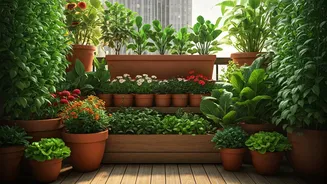
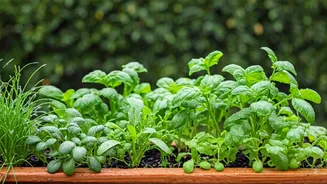
Set yourself up for success by choosing plants that match your balcony's conditions and your level of commitment. For sunny Indian balconies, heat-tolerant plants like Tulsi (Holy Basil), Aloe Vera, marigolds, and chillies are excellent choices. [5, 6, 11] If you have less direct sun, try mint, coriander, or decorative options like the Snake Plant and Areca Palm. [5, 15, 16] Beginners should start with 3-5 hardy plants to build confidence. [4] Consider vertical space-savers like hanging baskets for herbs and railing planters to maximize your growing area without cluttering the floor. [3, 5]
Secret #6: The Power of Consistent Care
A thriving garden is the result of consistent attention. This means feeding your plants regularly, as nutrients in pots wash out over time. [10, 26] A dose of liquid fertilizer or a top-up of compost every few weeks during the growing season will keep your plants productive. [2, 7] Also, make a habit of checking for pests like aphids or mealybugs, especially on the undersides of leaves. [2] Catching infestations early prevents them from spreading. [2, 8] Finally, regular pruning of dead leaves and spent flowers (deadheading) encourages new growth and more blooms, keeping your garden looking tidy and vibrant. [22, 31]