





Phase 1: Create a Separate Safe Zone
Before your new cat even arrives, prepare a dedicated room for them. This “base camp” should be a quiet space like a spare bedroom or a bathroom, equipped with its own litter box, food, water, toys, and a comfy bed. This isn't punishment; it's essential
for helping the new cat decompress and adjust to the new sounds and smells of your home without feeling overwhelmed. It also gives your resident cat time to get used to the idea of another cat’s presence without a direct confrontation. Cats are territorial, and respecting this instinct from the start is the first step toward a peaceful coexistence.
Phase 2: Introduction by Scent
Cats navigate their world through scent, making it the most powerful tool for a non-threatening first introduction. After a few days, start swapping scents between the cats. Take a blanket or toy that the new cat has used and place it in your resident cat’s area. Do the same for the new cat with an item from your resident cat. This allows them to investigate each other’s smell on their own terms. Another great technique is to feed them on opposite sides of the closed door. They will begin to associate the pleasant experience of eating with the other cat’s scent, creating a positive connection before they even see each other.
Phase 3: Controlled Visual Contact
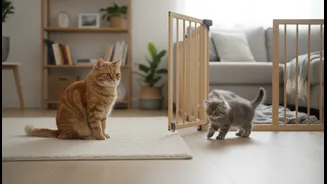
Once both cats are calm with scent swapping and eating near the door, it’s time for them to see each other. This must be done in a controlled way where physical contact is impossible. Stack two baby gates in the doorway or crack the door open just enough for a peek. Keep these initial visual meetings short and positive. Offer treats, praise, or engage in a bit of playtime on either side of the barrier. The goal is for them to see each other while good things are happening. If there's any serious hissing or growling, close the door and go back to the previous step for a few more days. Patience is key; don't rush this stage.
Phase 4: Supervised, Brief Meetings
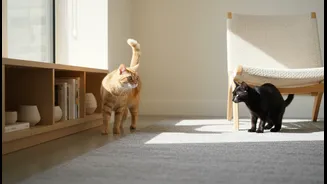
When visual contact through a barrier is consistently calm, you can allow the first face-to-face meeting. This should be in a neutral, common area of the house, not in either cat’s core territory. Keep the meetings short—just a few minutes to start—and always supervised. Engage them with a wand toy or offer high-value treats to keep the mood positive and distract them from potential tension. Watch their body language closely. If you see signs of stress like flattened ears, a swishing tail, or growling, end the session on a positive note by calmly separating them. It's better to end a session too early than too late.
Understanding Cat Body Language
Knowing what to look for is crucial. A relaxed cat might slow-blink, have ears forward, and a still or slightly curved tail. Signs of stress or impending aggression include dilated pupils, ears pinned back or flat, a tail that is swishing rapidly or tucked under, and a crouched, tense posture. Hissing and growling are clear warnings that a cat feels threatened and needs space. Don't punish these behaviours; they are communication. If you see them, it's a sign to calmly create distance and perhaps go back a step in the introduction process. Recognizing these cues will help you prevent fights and build trust.
What if It's Not Working?
It’s normal for there to be a few bumps in the road. Some hissing or swatting can be part of setting boundaries. However, if interactions are consistently negative or escalate into fights, separate the cats immediately and go back to the beginning. A re-introduction may feel like a setback, but it’s often necessary to reset their relationship. It can take some cats weeks or even months to fully accept each other, while others may only ever learn to tolerate one another. The goal is a peaceful home, not necessarily best friends.