




The New Digital Sous Chef
For generations, Indian cooking has been a transfer of knowledge, from grandmother to grandchild, built on intuition, estimation ('andaaz'), and sensory cues. Today, a new assistant is entering the picture: generative AI. Tech-savvy home cooks are experimenting
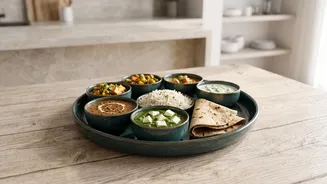
with tools like ChatGPT and specialized apps to break creative blocks and simplify meal prep. Instead of flipping through a cookbook, they are typing prompts like, "Create a high-protein, vegetarian North Indian meal plan for a week" or "Give me a recipe for Goan fish curry that is not too spicy." These AI models can instantly generate detailed recipes, shopping lists, and even weekly menus tailored to specific dietary needs like vegan, Jain, or gluten-free. This represents a significant shift from passively consuming recipes online to actively collaborating with technology to create personalized culinary experiences.
Inspiration on Demand
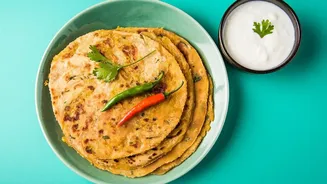
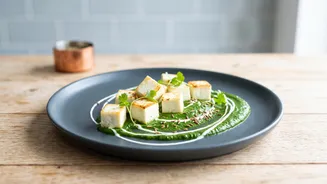
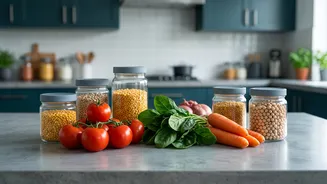
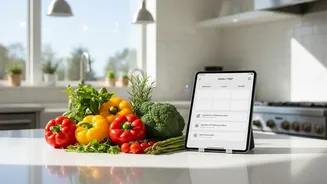
One of the biggest appeals of using AI is its ability to combat kitchen fatigue. Many find themselves stuck in a rut, cooking the same rotation of dishes week after week. AI serves as an endless well of ideas, capable of suggesting lesser-known regional delicacies or creating fusion dishes on the fly. For instance, you could ask it to generate a recipe combining the flavours of Chettinad and Hyderabadi cuisines. Beyond just recipes, AI is proving useful for practical planning. It can help create balanced diet charts, manage calorie intake, and even suggest ways to use leftover ingredients, thereby reducing food waste. For busy urban households, this is a game-changer, saving precious time on the mental labour of deciding what to cook.
A Pinch of Scepticism
Despite the convenience, the adoption of AI in the Indian kitchen is not without its critics and challenges. Experienced cooks point out that AI models often lack the nuanced understanding of regional culinary traditions. An AI might generate a recipe for 'sambar' that misses the specific spice blend unique to a particular Tamilian community, or suggest ingredients that are not authentic to a dish. These tools can sometimes produce incorrect or nonsensical information, what experts call "hallucinations." There's also a deep-seated cultural belief that cooking is an art form, a 'labour of love' that cannot be replicated by an algorithm. Chefs and purists argue that technology can't replace the human touch, the memory associated with a family recipe, or the intuitive adjustments a cook makes while tasting a dish.
The Future of the Indian Kitchen
While AI recipe generators are the most accessible entry point, the trend points towards a more integrated 'smart kitchen.' Companies are already developing AI-powered cooking appliances that can automate complex dishes like biryani with minimal supervision, using sensors to control temperature and cooking times. Some robotic systems can handle tasks from chopping to stirring, guided by recipes downloaded from the internet. While high costs currently limit the reach of such advanced hardware, the interest from individual users is growing. The vision is a kitchen where AI handles the tedious aspects of cooking, leaving the creative and personal touches to the human cook.