




The End of an Era
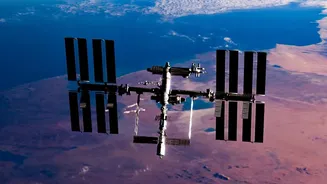
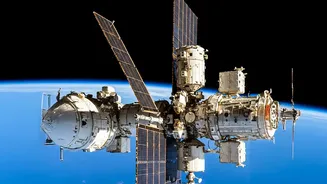
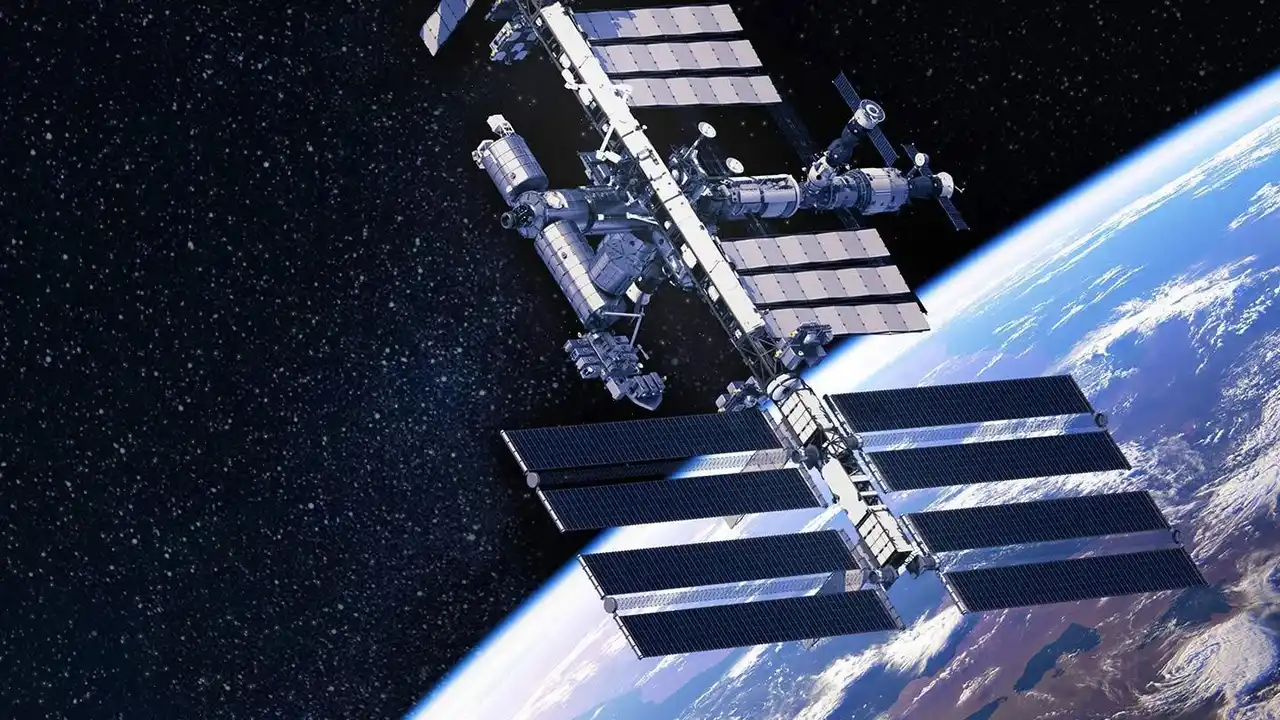
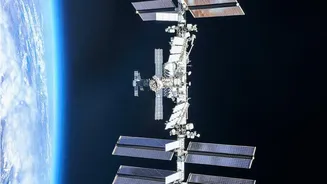
The ISS has been an unparalleled success of international cooperation and scientific achievement since its first modules were launched in 1998. However, the station is aging. After more than 30 years in the harsh environment of space, its systems require
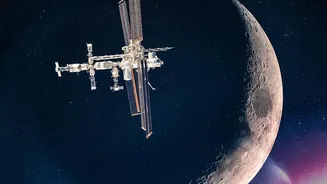
increasing maintenance, and the operational costs are immense. In response, NASA and its international partners have a plan for a controlled deorbit of the station around 2031. The massive structure will be guided to a fiery reentry over a remote part of the South Pacific Ocean known as Point Nemo, often called the 'spacecraft cemetery'. This move isn't just about retiring old hardware; it represents a fundamental shift in how humanity will operate in space.
NASA's New Role: From Owner to Customer
Instead of building a new government-owned station, NASA is turning to the private sector. Through its Commercial Low-Earth Orbit Destinations (CLD) program, the agency is fostering the creation of privately owned and operated space stations. The idea is to transition from being an owner and operator to becoming just one of many customers. This model follows the success of NASA's commercial cargo and crew programs, which used companies like SpaceX to ferry supplies and astronauts to the ISS far more cost-effectively than previous government-led efforts. By purchasing services from commercial stations, NASA aims to ensure it has continued access to a research environment in orbit without bearing the full cost, freeing up its own resources to focus on deep-space missions to the Moon and Mars under the Artemis program.
The Contenders: Axiom Space
Perhaps the most visible player is Houston-based Axiom Space. The company has already flown multiple private astronaut missions to the ISS. Its strategy is unique: instead of starting from scratch, Axiom plans to launch its first modules and attach them directly to the International Space Station, with the first targeted for 2027. These modules will be tested and proven while connected to the existing station. Then, before the ISS is decommissioned, the Axiom modules will detach and become a fully independent, free-flying commercial space station. This incremental approach allows Axiom to build its business and operational experience while leveraging the ISS infrastructure before going it alone.
The Contenders: Orbital Reef and Starlab
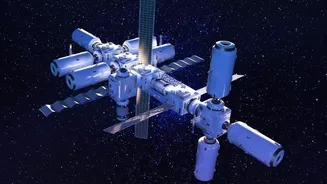
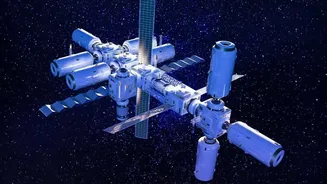
Two other major projects are being developed under NASA's CLD program. A team led by Blue Origin and Sierra Space is developing Orbital Reef, which they envision as a 'mixed-use business park in space'. The station's design is modular, built around large, inflatable habitats from Sierra Space called LIFE modules, and aims to support a crew of up to 10 for science, manufacturing, and tourism. Another major player is Starlab, a joint venture between Voyager Space and aerospace giant Airbus. Starlab is being designed as a single, large habitat with an integrated science park, intended to be launched in one piece aboard a super heavy-lift rocket like Starship. It is focused primarily on providing a seamless transition for research and science as the ISS era concludes.
Challenges and the Dawn of a LEO Economy
The transition to a commercial space economy is not without challenges. These projects require massive upfront investment, and the long-term business case is still being proven. Companies must attract a diverse customer base beyond NASA, including foreign governments, private researchers, in-space manufacturers, and potentially space tourists, to be financially viable. There are also significant technical and regulatory hurdles to overcome to ensure these new stations are safe and reliable. However, if successful, these commercial habitats could unlock a vibrant economy in low-Earth orbit, creating new industries that can only exist in a microgravity environment and making space more accessible than ever before.