




Pointed Gourd (Parwal)
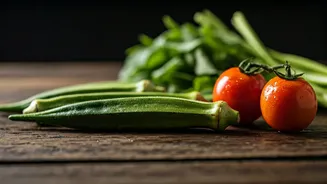
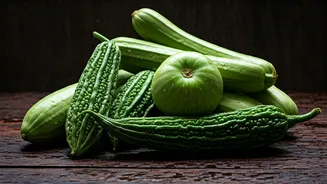
Often overlooked, the humble parwal is a monsoon superstar. This small, green, striped vegetable is incredibly easy to digest, a quality that is paramount during a season when our digestive systems can become sluggish. Rich in fibre, Vitamin A, and Vitamin C,
it helps manage blood sugar levels and keeps common colds at bay. Its low calorie count makes it a friend to the weight-conscious. When buying, look for firm, bright green parwals that are small to medium in size, as larger ones can have tough seeds. Its subtle flavour makes it a versatile ingredient, perfect for a simple stir-fry with potatoes (Aloo Parwal), stuffed with masala, or added to a light, flavourful curry. It truly is a nutritional powerhouse disguised as a simple gourd.
Bottle Gourd (Lauki/Doodhi)
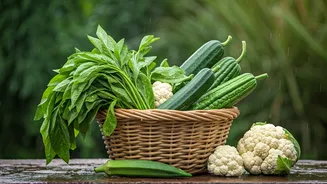
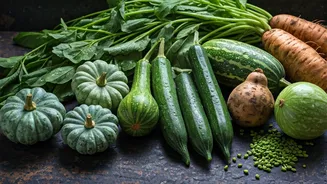
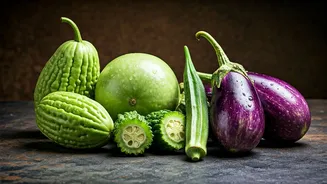
Lauki might have a divisive reputation from childhood, but in the monsoon, it's an essential. Composed of over 90% water, it’s exceptionally hydrating and cooling for the body, counteracting the humidity. It's also a fantastic source of soluble and insoluble fibre, which aids digestion and prevents constipation—a common issue during this season. Its diuretic properties help flush out toxins from the body. When you're at the market, choose a lauki that is pale green, firm, and has a smooth surface without blemishes. Avoid spongy or yellowed ones. From the classic Lauki ki Sabzi and comforting Lauki Kofte to even a surprisingly delicious halwa, this vegetable’s ability to absorb spices and flavours makes it a must-have in your monsoon kitchen.
Bitter Gourd (Karela)
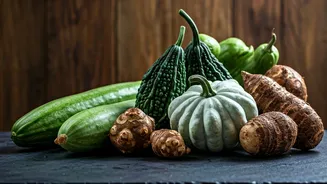
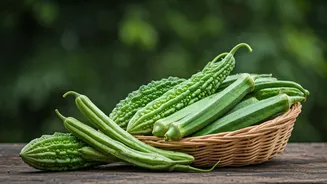
The name says it all, but don't let its bitterness deter you. Karela is one of the best things you can eat during the monsoon. Its potent antimicrobial and antibacterial properties are exactly what your body needs to fight off infections that are rampant in the damp weather. It’s a well-known immunity booster and excellent for purifying the blood. For those with diabetic concerns, it’s a wonder vegetable, known for its ability to regulate blood sugar. The trick to cooking karela is to manage its bitterness. Slicing it, salting it, and letting it rest for 20-30 minutes can draw out some of the bitter juices. A crisp, fried preparation or a stuffed bharwa karela transforms this medicinal vegetable into a culinary delight.
Ridge Gourd (Turai/Tori)
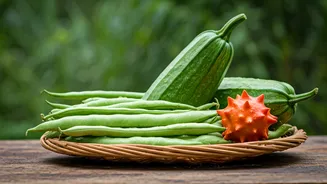
Another member of the gourd family that shines during the rains is turai. Like its cousins, it is light on the stomach and has a high water content. What makes it special is its role as an excellent blood purifier and its richness in cellulose, which helps with digestion. It's also packed with Vitamin C, iron, and magnesium, helping to build strong immunity. Its slightly sweet flavour and spongy texture make it ideal for simple, soupy curries that are comforting on a rainy day. Look for gourds that are slender, dark green, and have well-defined ridges. Peel the hard ridges off before cooking, but you can leave some of the green skin on for added fibre. A simple turai chana dal is both nutritious and soul-satisfying.
Sweet Corn (Bhutta)
Is it even monsoon without a roasted bhutta, slathered with lemon and masala? Beyond being the quintessential rainy-day snack, corn is a fantastic source of fibre and complex carbohydrates that provide sustained energy. It’s also rich in antioxidants like lutein and zeaxanthin, which are great for eye health. While the street-side roasted cob is an experience in itself, corn is incredibly versatile in the kitchen. You can boil the kernels and add them to salads, make crispy corn fritters (pakoras), or blend them into a warm, comforting soup. When buying corn on the cob, look for husks that are green and fresh, not dry, and kernels that are plump and milky.
Indian Squash (Tinda)
Tinda, also known as apple gourd, is another vegetable that is at its peak during the monsoon. It has a mild flavour and a tender texture that makes it perfect for those who find other gourds too strong. Its high water content helps keep you hydrated, and its antioxidant properties aid in keeping the body healthy and free from illness. It's also known to soothe stomach acidity. Look for small, smooth, and unbruised tindas for the best taste and texture. This vegetable is a champion at absorbing flavours, making it perfect for everyday sabzis with tomatoes and spices or for being stuffed with a flavourful filling. It's a simple, nourishing choice that embodies the comfort of monsoon cooking.