


Why the Heat is a Hidden Danger
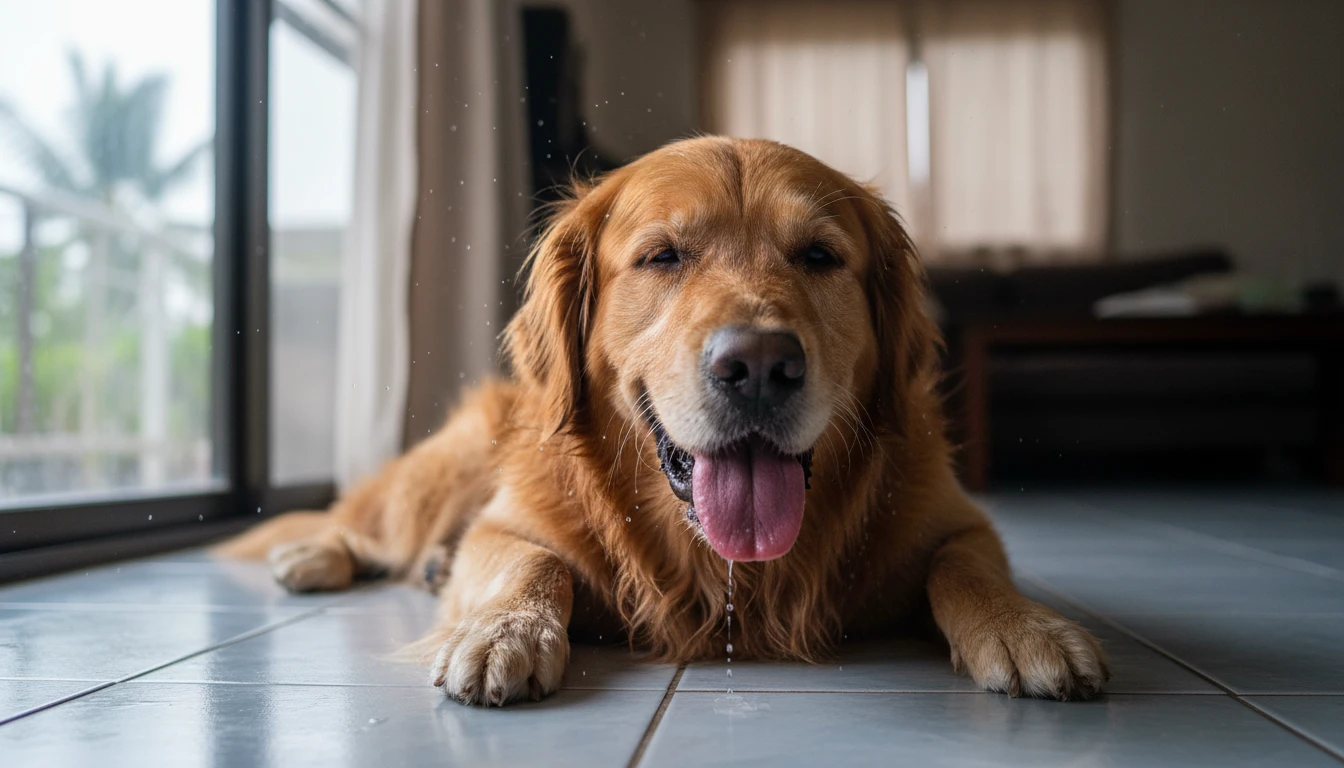
Indian summers are not just uncomfortable for pets; they can be medically dangerous. Unlike humans, dogs and cats can't sweat efficiently to cool down. Dogs rely on panting, but this becomes ineffective when the air is already hot and humid. Cats are masters
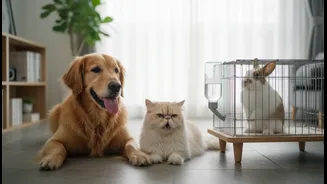
at hiding discomfort, making them vulnerable, while small animals like rabbits and hamsters have a very low tolerance for heat and can suffer from stress or heatstroke above 25°C. A body temperature rise above 104°F (40°C) can lead to heat exhaustion and progress to heatstroke, a condition that can cause organ damage and can be fatal.
Common Mistakes Pet Owners Make
Well-intentioned owners can sometimes make critical errors. One of the biggest is leaving a pet in a parked car; even with windows cracked, the temperature inside can become lethal in minutes. Another is shaving a double-coated dog, mistakenly believing it will cool them down. In reality, their coat acts as insulation against the heat and protects them from sunburn. Walking pets on hot asphalt or pavement during peak hours (11 am to 5 pm) can burn their paw pads. Finally, using ice-cold water directly on an overheated pet can constrict blood vessels, trapping heat inside their body instead of releasing it.
How to Build the Perfect Cool Zone
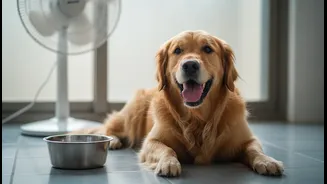
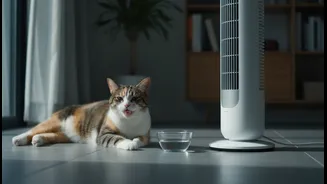
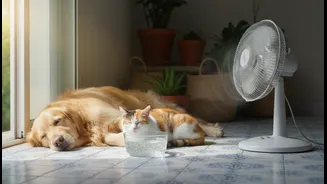
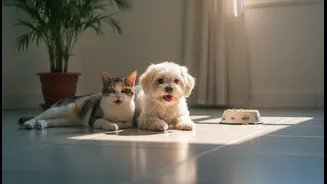
Creating a cool zone doesn't require expensive equipment, just a little planning. Choose a spot in your home that is naturally cooler, such as a tiled room, a bathroom, or a corner away from direct sunlight. Keep curtains or blinds drawn during the day to block out the sun and lower the indoor temperature. Ensure the area has good ventilation; a fan can help circulate air but shouldn't blow directly on your pet, as this can cause respiratory issues. This designated space becomes a safe retreat for your pet during the hottest parts of the day.
The Essentials for a Cooling Oasis
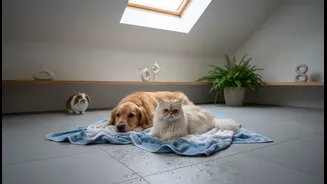
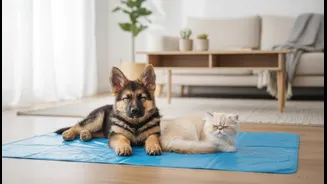
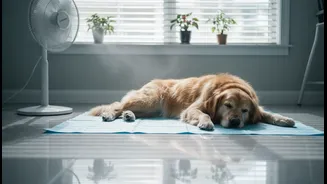
Equip your cool zone with the right tools. A gel-filled cooling mat is a fantastic investment, as it absorbs body heat without needing electricity or refrigeration. Place multiple bowls of fresh, clean water in and around the zone. Some pets, especially cats, are encouraged to drink more from a pet water fountain. An elevated bed allows for air to circulate underneath, providing further cooling. For a simple DIY option, place damp towels on the floor for your pet to lie on.
DIY Hacks and Hydration Tips
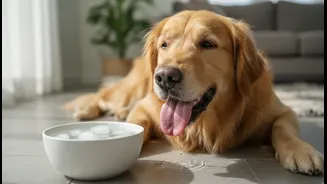
Simple household items can be transformed into cooling aids. Freeze a plastic bottle of water, wrap it securely in a towel, and place it in your pet’s bed for them to lie against. Adding wet or gravy-based food to their diet increases their fluid intake. For a refreshing treat, you can freeze diluted bone broth or plain, lactose-free yoghurt in ice cube trays. You can also add a few ice cubes to their water bowl to keep it cool and entice them to drink.
Special Care for Rabbits and Hamsters
Small mammals need extra attention. Rabbits regulate their temperature through their ears, so you can gently mist their ears with cool water to help them cool down. Place a ceramic or marble tile (chilled in the freezer first) in their enclosure for them to lie on. Ensure their hutch or cage is always out of direct sunlight and has plenty of ventilation. Never submerge small animals in water, as this can cause shock and illness.