

The Prime Location: Why the South Pole?
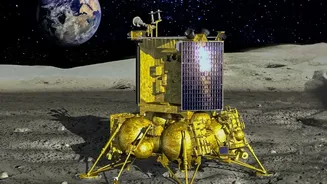
The Moon’s south pole is one of the most compelling destinations in our solar system. Unlike the areas visited during the Apollo missions, this region contains permanently shadowed craters. These are areas on the lunar surface that have not seen sunlight
for billions of years, creating some of the coldest spots known, where temperatures can plunge below -200°C. This extreme cold acts as a perfect trap, preserving volatile substances like water in the form of ice, mixed into the lunar soil, or regolith. This makes the south pole prime real estate for a permanent human outpost, offering access to both this crucial frozen water and, in nearby areas, near-continuous sunlight to power a base with solar arrays.
The Ultimate Resource: More Than Just Water
Lunar water ice is far more valuable than just a source of drinking water for astronauts. It is the cornerstone of a concept known as In-Situ Resource Utilization (ISRU), which is jargon for living off the land. By heating the lunar regolith, the ice can be vaporized, captured, and then condensed back into liquid water. Through a process called electrolysis, this water can be split into its two components: oxygen and hydrogen. Oxygen is essential for breathable air in habitats, and when combined, liquid oxygen and liquid hydrogen form a potent rocket propellant. This single resource provides life support and fuel, drastically reducing the cost and complexity of missions by eliminating the need to launch these heavy supplies from Earth.
The Prospector's Toolkit: How to Find and Extract It
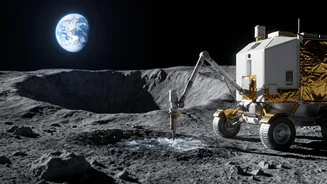
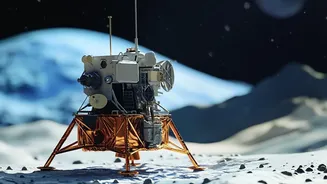
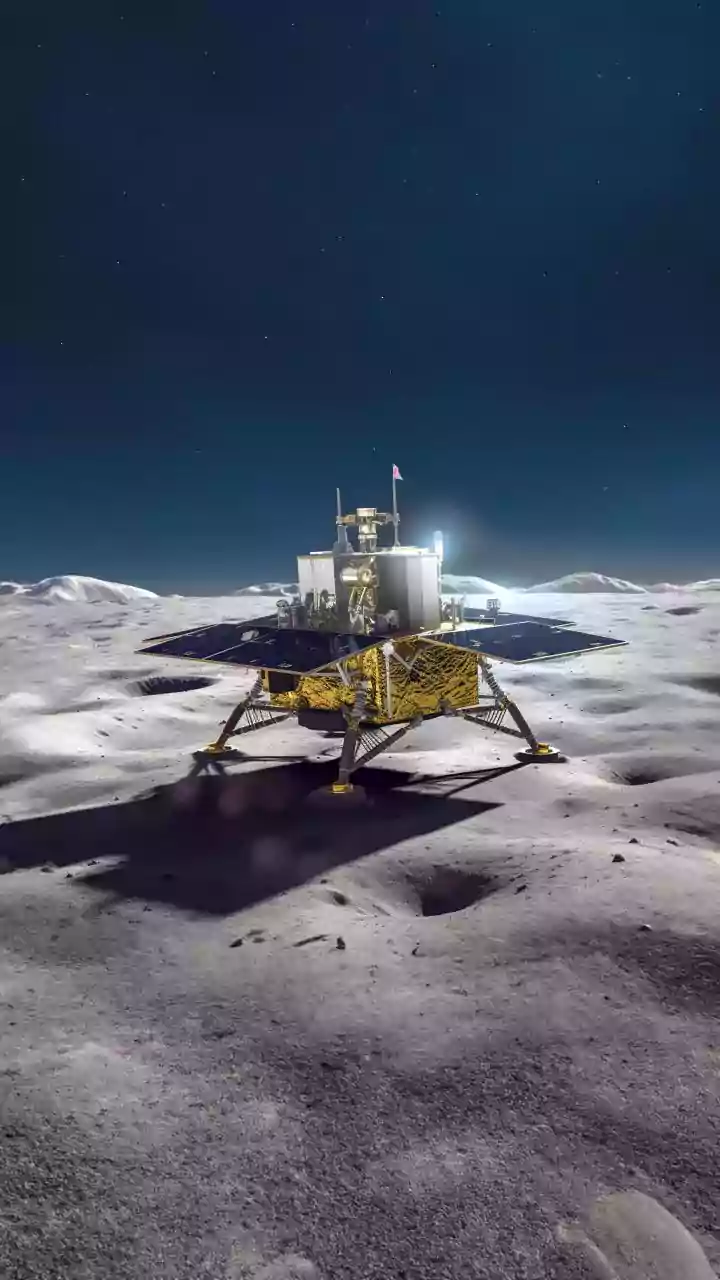
Before building a base, NASA needs to map these ice deposits. This is the job of robotic prospectors. A key mission, the Volatiles Investigating Polar Exploration Rover (VIPER), was designed specifically to roam the south pole, drill into the regolith, and create the first-ever resource maps of another celestial body. Despite a cancellation in 2024, NASA revived the mission, contracting Blue Origin to deliver the completed rover to the moon around 2027. The process involves drilling into the soil, heating the sample in a small oven, and analyzing the gases that are released to measure the concentration and purity of the water ice. This data is critical for identifying the most promising locations for future mining operations and the Artemis Base Camp itself.
Artemis Base Camp: Humanity's First Lunar Outpost
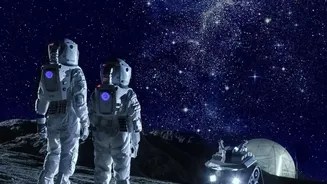
The ultimate goal is to establish the Artemis Base Camp, a permanent outpost that will support astronaut crews for missions lasting up to two months. This base will consist of several key elements: a Foundation Surface Habitat for living and working, an unpressurized Lunar Terrain Vehicle for short trips, and a pressurized rover that allows astronauts to conduct long-distance exploration without needing to wear a spacesuit constantly. The entire operation will be supported by a robust power system, potentially including nuclear fission generators to provide consistent energy during the long lunar nights. This infrastructure, built piece by piece through a series of robotic and crewed missions, will transform the Moon into a hub for science and technology development.
A Stepping Stone to Mars and Beyond
The Artemis Base Camp is more than just a destination; it's a critical waypoint for the future of human space exploration. By proving that we can live and work sustainably on another world, the Moon becomes a testbed for the technologies and strategies needed to send humans to Mars. The ability to produce rocket fuel on the Moon effectively turns it into a deep-space refueling station. Spacecraft assembled and fueled in orbit or on the lunar surface can be much larger and more capable than anything that could be launched directly from Earth. This lunar 'gas station' dramatically lowers the barrier for missions to the red planet and other destinations, paving the way for a truly spacefaring human civilization.