

The Post-Monsoon Domestic Surge
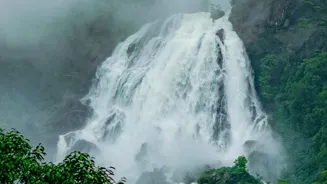
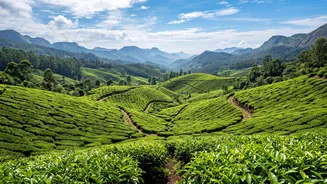
September is an underrated month for domestic travel in India. The rains have washed the country clean, leaving behind vibrant green landscapes and full-flowing waterfalls. Destinations that were drenched in July and August now become accessible and breathtaking.
Hill stations like Mussoorie in Uttarakhand and Ooty in Tamil Nadu are particularly atmospheric, with misty mornings and lush forests. For those seeking unique natural phenomena, the Kaas Plateau in Maharashtra bursts into a carpet of over 850 wildflower species. Further north, Spiti Valley in Himachal Pradesh becomes fully accessible, offering clear skies for stargazing and stunning views of its high-altitude desert landscape. There is also a notable rise in spiritual tourism, with towns like Puri, Ujjain, and Varanasi seeing a significant uptick in searches as travellers seek cultural and religious experiences. This post-monsoon window offers lower prices and fewer tourists, making it an ideal time for serene getaways.
Shoulder Season Savings Abroad
For international travel, September is a smart choice. Many popular destinations in Southeast Asia and Europe enter their 'shoulder season', meaning better weather, fewer crowds, and lower prices on flights and hotels. Countries like Vietnam, Malaysia, and Indonesia are top picks for Indian travellers, offering a mix of beaches, culture, and affordability. Notably, many of these destinations have simplified their visa processes for Indians, with Malaysia offering visa-free entry until the end of 2026 and Indonesia providing visa-free access for 30 days. This ease of access, combined with budget airline connectivity, makes short international breaks more feasible than ever. More adventurous travellers are looking towards offbeat 'hidden gem' countries like Georgia and Uzbekistan, which offer unique cultural experiences without the high costs of more traditional European destinations.
The Rise of Experiential and Wellness Travel
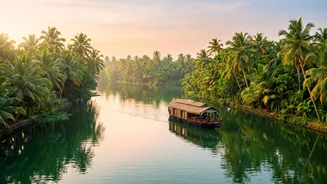
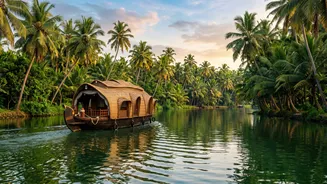
Today's traveller wants more than just a checklist of sights. There's a growing demand for experiential journeys that offer deeper engagement. This includes everything from adventure activities like desert safaris and cycling tours to immersive cultural experiences like local cooking classes and heritage walks. Solo travel, especially among women, is also on the rise, fueled by better safety infrastructure and curated tours. Alongside this, wellness tourism is booming. With a growing focus on mental well-being, many are seeking out yoga retreats, meditation camps, and holistic healing programs in destinations like Rishikesh, Bali, and parts of Kerala. These trips are no longer about simple spa treatments but about comprehensive programs for stress management and digital detox.
How Tourism Businesses Can Adapt
For the tourism industry, these trends present clear opportunities. Hotels and tour operators can capitalize on the post-monsoon domestic rush by marketing destinations like Bundi in Rajasthan or Ziro Valley in Arunachal Pradesh, which are at their scenic best in September. Highlighting the lack of crowds and competitive pricing can be a strong selling point. Businesses should also cater to the demand for 'bleisure' travel, where corporate travellers extend their trips for leisure. Offering weekend packages or promoting work-from-hotel options can attract this segment. For international operators, focusing on visa-friendly, short-haul destinations is key. The growth in wellness means that properties offering authentic, personalized programs—like Ayurveda in Kerala or yoga in Rishikesh—are well-positioned. Finally, integrating technology is crucial. With a high percentage of Indian travellers using AI to plan trips, businesses that offer seamless online booking and personalized digital itineraries will have a competitive edge.