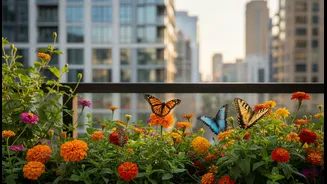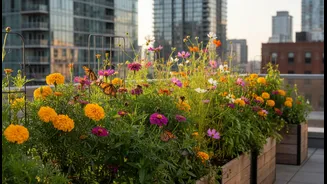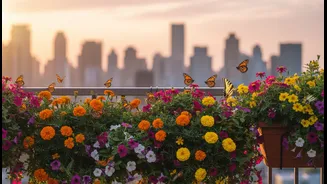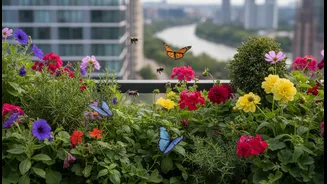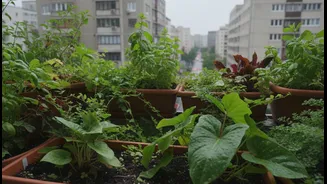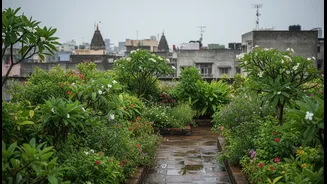





Your Balcony: A Vital Urban Pit Stop
In our concrete jungles, green spaces are few and far between. This fragmentation is tough on pollinators like bees, who are essential for healthy ecosystems. Globally, a vast majority of flowering plants, including many fruits and vegetables we eat,
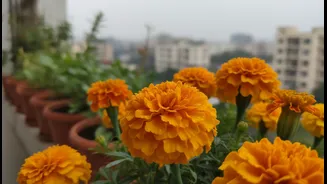
rely on them. When your balcony is filled with the right plants, it becomes more than just a collection of pots; it transforms into a vital refuelling station for these tiny, tireless workers. It’s a small link in a larger chain, providing food and rest for native bees like the Indian hive bee, rock bees, and tiny stingless bees as they navigate the urban landscape. By creating this haven, you're not just decorating your space—you're actively participating in supporting urban biodiversity.
More Than a Hobby, a Sense of Purpose
The psychological benefits of gardening are well-known, from reducing stress to boosting your mood. But gardening for pollinators adds another, deeper layer of satisfaction. It provides a tangible sense of purpose. Nurturing plants that in turn nurture other living creatures connects you to the rhythm of the natural world. This simple act of caring for something beyond yourself—and seeing the direct result in the buzz of a visiting bee—can increase feelings of accomplishment and self-esteem. It shifts gardening from a passive pastime to an active, positive contribution to your local environment, making you a custodian of a tiny, thriving ecosystem.
How to Create Your Bee-Friendly Haven
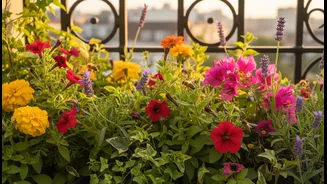
Attracting bees to your balcony is simpler than you might think. It starts with choosing the right flowers. Bees are drawn to a variety of colours and shapes, so planting a diverse mix is key. Think in clusters; a dense patch of flowers is more appealing than single, scattered blooms. Also, remember that pesticides and herbicides are harmful to pollinators, so opt for natural pest control methods like using neem oil. Even a small balcony can become a rich habitat by using vertical planters and hanging baskets to maximise space. The goal is to create a welcoming environment that offers both food and rest.
The Best Plants for an Indian Balcony
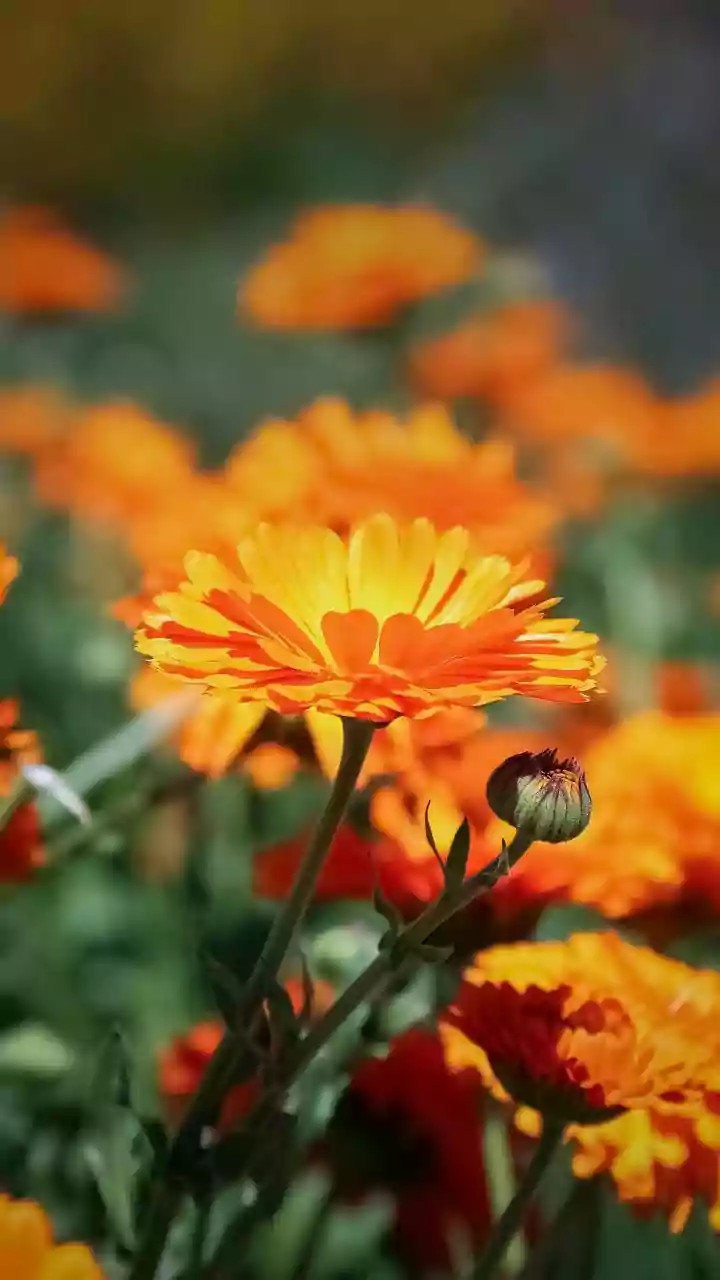
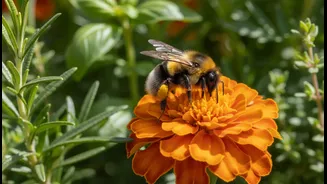
To attract bees in India, focusing on native and locally adapted plants is your best bet. Many of these are easy to grow in pots and thrive in our climate. Bright, hardy Marigolds (Genda) are an excellent, low-maintenance choice that bees love. The small flowers of Holy Basil (Tulsi) are a magnet for pollinators and the plant is a staple in many Indian homes. Sunflowers (Surajmukhi), with their large, open faces, provide a feast of nectar and pollen. Other fantastic options include the fragrant Lavender, vibrant Cosmos, colourful Petunias, and flowering herbs like Mint. For a year-round food supply, try to plant a mix of flowers that bloom in different seasons.
Don't Forget Water and Shelter
Like all living things, bees need water, but they can easily drown in deep dishes. You can create a safe bee water station by filling a shallow dish or saucer with pebbles, marbles, or small stones and adding just enough water so the surfaces of the stones remain dry. This gives them a safe place to land and drink. You can also provide shelter. While you might not have space for a full 'bee hotel', leaving a few hollow stems or creating a small pile of twigs in a sheltered corner can offer a resting spot for solitary bees. These small additions make your balcony an even more inviting and supportive habitat.