







The Undeniable Health Factor
A primary driver behind the mushroom boom is a surge in health consciousness across India. Urban and semi-urban consumers are increasingly seeking out foods that are not just tasty but also packed with nutritional benefits. Mushrooms fit this description
perfectly. They are low in calories and fat, cholesterol-free, and a rich source of protein, fiber, vitamins (like B and D), and minerals. For India's large vegetarian population, mushrooms serve as an excellent meat substitute, offering a satisfying texture and umami flavour. This has made them a key ingredient in the shift towards plant-based diets. Their reputation as an immunity-booster, further amplified during the recent pandemic, has cemented their status as a superfood in the minds of many.
A Culinary Chameleon
Beyond their health benefits, mushrooms are incredibly versatile in the kitchen. Their ability to absorb spices and sauces makes them a natural fit for the flavour-rich landscape of Indian cuisine. The most common variety, the button mushroom, is now a staple in dishes like Matar Mushroom, Mushroom Masala, and even Tandoori Tikka. Chefs and home cooks alike appreciate how seamlessly they can be integrated into traditional recipes, from rich curries to aromatic pulaos. Moreover, their 'meaty' texture makes them a satisfying component in stir-fries, burgers, and stuffed appetisers. This adaptability means mushrooms are no longer just a supporting act but are often the star of the dish.
From Niche to Mainstream Availability
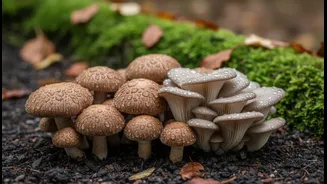
This growing love affair would not be possible without a significant increase in availability. What was once a seasonal or specialty item is now readily available in supermarkets, local vegetable markets, and online grocery stores across the country. While button mushrooms still dominate the market, accounting for a majority of production, there's a rising interest in gourmet varieties. Urban consumers and fine-dining restaurants are driving demand for oyster, shiitake, and portobello mushrooms, seeking new flavours and textures. This diversification is supported by advancements in cultivation technology, including climate-controlled farms that allow for year-round production, moving beyond traditional seasonal growing in hilly regions.
The Rise of Mushroom Farming
The demand from consumers is mirrored by a growing interest in mushroom cultivation as a profitable agribusiness. Mushroom farming is attractive because it requires minimal land, has a short growth cycle, and can utilize agricultural waste, making it a sustainable choice. This has made it a viable source of income for small farmers and rural entrepreneurs. Recognizing this potential, central and state governments have launched various initiatives and subsidies to promote mushroom cultivation. States like Bihar have become major producers, and others like Andhra Pradesh are launching ambitious 'Mushroom Missions' to scale up production significantly. This supportive ecosystem ensures a steady supply to meet the ever-increasing demand, creating a self-reinforcing cycle of growth.