






Understanding the Monsoon 'Break'
In India, the monsoon isn't always a continuous downpour. A "monsoon break" is a common phenomenon where the heavy rains pause for several days or even weeks. This dry spell, usually happening in July and August, is caused by shifts in the monsoon trough,
the low-pressure belt that drives the rains. While a pause in the rain seems welcome, the combination of underlying dampness from prior weeks and a sudden return of warm, dry air creates a unique set of challenges for homeowners, particularly in kitchens and bathrooms which are already high in humidity.
The Dampness and Mould Threat
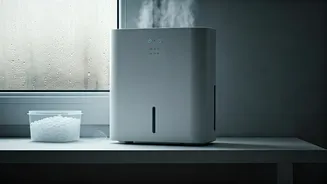
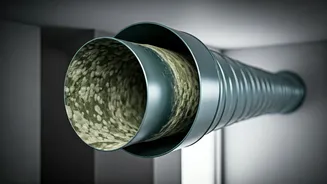
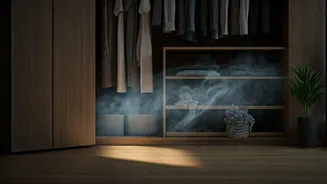
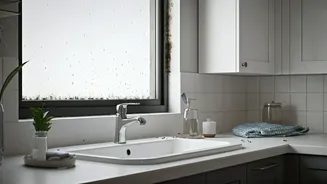
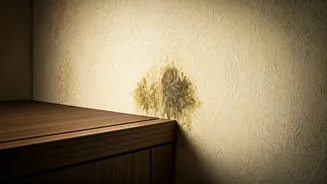
The number one issue during a monsoon gap is the resurgence of dampness and mould. When the rain stops, the air doesn't instantly become dry. Instead, the high humidity lingers, and moisture trapped inside walls and closed spaces creates a perfect breeding ground for mould and mildew. Your bathroom and kitchen are ground zero for this problem. To combat this, ventilation is your best friend. Run exhaust fans for longer, especially after showering or cooking. Whenever it isn’t raining, open windows to allow for cross-ventilation. Wiping down wet surfaces like countertops, shower tiles, and sinks after use can make a significant difference in preventing mould from taking hold. For wardrobes and cabinets, consider using natural moisture absorbers like charcoal bags or neem leaves.
An Open Invitation for Pests
Pests that were driven out of their waterlogged burrows by heavy rains often use the dry spell to find new shelter inside homes. Cockroaches, ants, and other insects thrive in the residual dampness and warmth. Kitchens, with their promise of food and water, are particularly attractive. To prevent an infestation, maintain strict kitchen hygiene. Store all food, especially grains, sugars, and snacks, in airtight containers. Don't leave food crumbs or spills on counters, and empty your dustbin every night. Seal any cracks or crevices around pipes under the sink, as these are common entry points for cockroaches. Wiping counters with a simple vinegar-water solution can help erase the chemical trails that ants use to navigate, disrupting a potential invasion.
The Paradox of Water Scarcity
It seems ironic, but a prolonged break in the monsoon can lead to water shortages, even in the middle of the rainy season. Many local water sources, including municipal supplies and borewells, depend on consistent rainfall to stay replenished. When the rain stops for too long, these sources can begin to deplete, leading to reduced water pressure or supply cuts. This is a crucial time to practice water conservation. Be mindful of your water usage in the kitchen and bathroom. Fix any dripping taps or leaky pipes immediately, as even a small leak wastes a significant amount of water over time. If possible, use collected rainwater for tasks like cleaning floors or watering plants to conserve treated water.
Guarding Your Drains and Plumbing
The transition from heavy rain to a dry period can also affect your plumbing. During intense rainfall, drains can become clogged with silt and debris. When the rain stops, this sludge can dry and harden, leading to blockages. You might notice a foul smell from drains in your kitchen or bathroom, which is a common issue. It’s a good practice to regularly clean your drain covers and ensure they are free of debris. Pouring a bucket of hot water down the drains occasionally can help clear out any accumulating grease or blockages. Also, inspect pipes under the sink and in the bathroom for any signs of sweating or condensation, as this indicates high humidity and can contribute to dampness and attract pests.