




More Than Just Superfoods
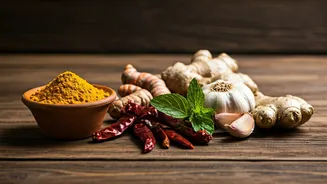
For years, the West has cherry-picked 'superfoods' from Indian kitchens—turmeric for inflammation, ashwagandha for stress. While these ingredients are powerful, this approach misses the bigger picture. The true genius of traditional Indian diets lies
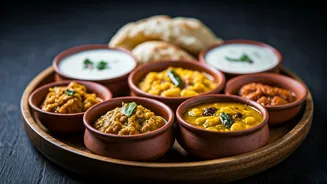
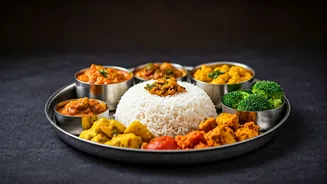
not in a single magic bullet, but in the holistic system. Think of the humble thali: a complete, balanced meal on one plate. It naturally incorporates grains, lentils (dal), seasonal vegetables (sabzi), fermented dairy (curd or raita), and a small sweet. This isn't a random assortment; it's a carefully constructed meal designed to provide a full spectrum of macro and micronutrients, ensuring satiety and balanced energy. Nutritionists now confirm that this combination approach is far more effective for long-term health than focusing on eliminating entire food groups or overdosing on one trendy ingredient.
The Return of Ancient Grains
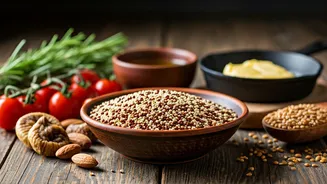
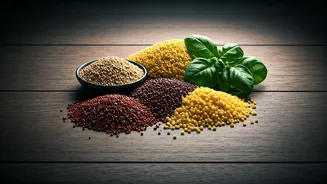
Perhaps the most visible comeback story is that of millets. Grains like jowar (sorghum), bajra (pearl millet), and ragi (finger millet) were once staples across India before being overshadowed by polished rice and wheat. Now, they are being celebrated for their incredible nutritional profile. Millets are gluten-free, rich in fibre, and have a low glycemic index, which helps in managing blood sugar levels and promoting digestive health. Their high fibre content keeps you feeling full for longer, aiding in weight management. This renewed interest isn't just about health; it's also about sustainability. Millets are hardy, drought-resistant crops that require far less water than rice and wheat, making them a smart choice for India’s agricultural future. The UN's declaration of 2023 as the International Year of Millets only solidified their status as a food of the future, rooted in the past.
The Wisdom of Fermentation
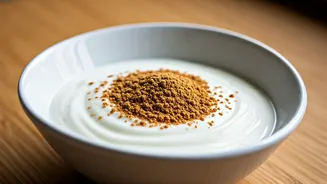
Long before 'probiotics' became a wellness buzzword, Indian households mastered the art of fermentation. From the dahi (curd) served with every meal to the fermented batters of idli and dosa, these foods are teeming with beneficial bacteria that are crucial for a healthy gut microbiome. Modern science is only now beginning to understand the vast influence of gut health on everything from immunity and digestion to mental well-being. Traditional pickles (achar), when made at home without excessive oil and preservatives, are also a source of probiotics. This ancient practice of using fermentation not only to preserve food but also to enhance its nutritional value and digestibility is a cornerstone of why tradition-led diets are so effective.
Eating with the Seasons
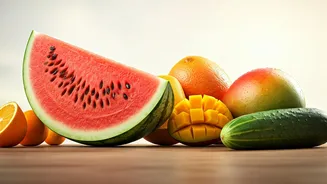
Another forgotten principle now getting its due is eating seasonally and locally. Your grandmother knew that carrots were sweeter in the winter and mangoes were a summer treat for a reason. Traditional diets are inherently tied to nature's cycles. Seasonal produce is fresher, more nutrient-dense, and more flavourful. It’s also what the body naturally needs at different times of the year—hydrating cucumbers in the summer heat, and warming, root vegetables in the monsoon. This approach contrasts sharply with the modern supermarket culture of having every fruit and vegetable available year-round, often at the cost of nutrition and environmental sustainability. By eating what grows around us, we align our bodies with our environment, a principle that modern wellness is enthusiastically rediscovering.
It's Not Just What, but How
Finally, the respect for traditional diets extends beyond the food itself to the very culture of eating. Traditional Indian meals were often communal affairs, eaten together as a family. Food was to be eaten slowly, chewed properly, and respected. Practices like sitting on the floor to eat were believed to aid digestion. This mindful approach to eating helps improve satiety signals, preventing overeating and fostering a healthier relationship with food. In our fast-paced world of desk lunches and mindless snacking, this call to slow down and savour our meals is perhaps one of the most vital lessons we can relearn from our ancestors.