







From Awkward Exception to Valued Guest
For years, dining alone in India, especially in the socially dense environments of Delhi and its suburbs, felt like a breach of unspoken rules. It often invited curious glances or the dreaded, well-meaning question: "Are you waiting for someone?". But
this narrative is quickly becoming outdated. A growing number of urban dwellers, from young professionals to retirees, are actively choosing to dine alone, seeking moments of peace, self-care, or simply a good meal without the need for social coordination. This isn't about loneliness; it's about intentional solitude and reclaiming personal time in a hyper-connected world.
What’s on the Solo-Friendly Menu?
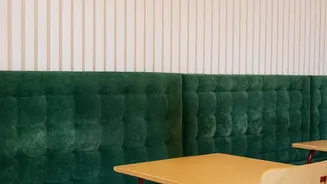
Restaurants in Delhi, Gurgaon, and Noida are taking notice and moving beyond merely accommodating solo guests to actively catering to them. The changes are both subtle and significant. At Comorin in Gurgaon and Zuki in Noida, chefs have introduced tasting-style or smaller portions, allowing a single person to sample multiple dishes without over-ordering. Other establishments are rethinking their physical space. This includes more comfortable bar seating, cozy nooks, designated single seats with a view, and communal tables that offer the choice of privacy or light interaction. The service is also evolving. Staff are being trained to be attentive yet non-intrusive, understanding that some solo diners might want conversation while others crave privacy. As one restaurateur noted, the goal is to make the solo diner feel like the most intentional guest in the room, not an afterthought.
The Business of Dining Alone
This shift is not purely altruistic; it makes excellent business sense. Solo diners can be a lucrative segment. They often help restaurants improve table utilisation, especially during off-peak hours. Studies and industry observations suggest that solo patrons can have a higher per-person spend, as they aren't splitting dishes and may be more inclined to treat themselves to an extra course, a dessert, or a premium drink. Furthermore, a person comfortable enough to dine alone is a powerful endorsement for a restaurant, suggesting a welcoming atmosphere and excellent food. These guests, when impressed, often become loyal patrons who return, both alone and with groups, and are quick to spread the word.
A Mirror to a Changing NCR
The rise of solo dining is a direct reflection of broader socioeconomic changes in the NCR. The region is a magnet for young, migrant professionals who live independently, often with demanding jobs and flexible hours. For many, particularly a growing number of financially independent women, dining alone is an act of empowerment and freedom. This trend is fueled by increasing disposable incomes and a generational shift in mindset, particularly among Millennials and Gen Z, who value personal space and experiences over traditional social obligations. In essence, the solo diner is a symbol of the modern, individualistic, and fast-paced urban Indian lifestyle.