


Why Humidity is the Enemy of Fresh Food
The primary reason food spoils faster during the monsoon is the increased moisture in the air. High humidity creates an ideal environment for microorganisms like bacteria, mould, and yeast to thrive and multiply. These microbes need water to grow, and the damp,
warm conditions of the rainy season provide just that. When cooked food is left at room temperature, it can quickly become a breeding ground for harmful pathogens such as Salmonella and E. coli, significantly increasing the risk of food poisoning and other gastrointestinal illnesses like gastroenteritis, typhoid, and cholera. The moisture not only facilitates microbial growth but can also accelerate chemical reactions like oxidation, which affects the taste and nutritional value of food.
The Two-Hour Rule You Can't Ignore
Food safety experts recommend a simple but critical guideline: the 'two-hour rule'. This rule states that perishable cooked food should not be left at room temperature for more than two hours. During the monsoon, with its higher ambient temperatures and humidity, this window shrinks even further, often to just one hour. This is because bacteria multiply most rapidly in the 'danger zone,' the temperature range between 5°C and 60°C. Leaving food like cooked rice, dal, sabzis, or meat dishes on the counter for extended periods allows any present bacteria to multiply to dangerous levels, even if the food still looks and smells fine.
Smart Storage: Your First Line of Defence
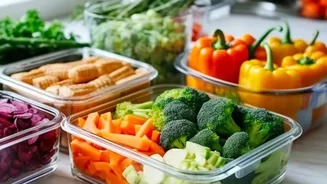
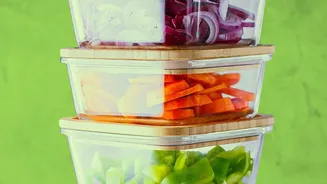
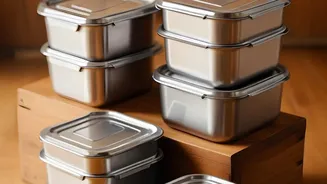
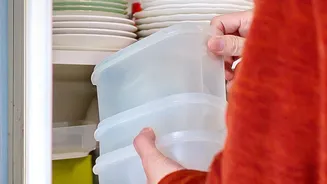
Proper storage is your most effective tool against monsoon food spoilage. The moment your food has cooled down slightly, but is still well within the two-hour window, it should be refrigerated. Storing food in clean, dry, and airtight containers is crucial. This prevents the food from absorbing additional moisture from the humid air and protects it from cross-contamination with other items in the fridge. It's also wise to avoid overfilling your refrigerator, as this can hinder proper air circulation and create warm spots where bacteria can grow. For leftovers, use shallow containers to allow the food to cool down faster and more evenly once inside the fridge.
Foods That Are at Highest Risk
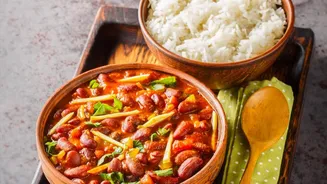
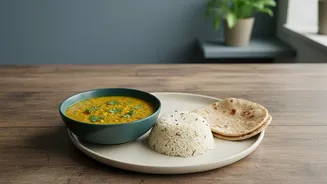
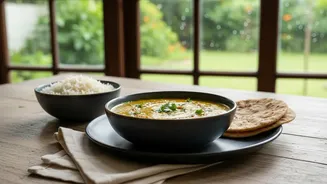
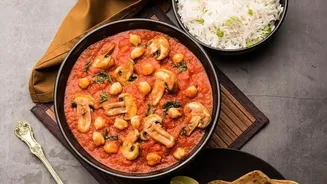
While all cooked food is susceptible, some items are at a higher risk of spoilage during the monsoon. Cooked rice is a notorious culprit, as certain bacteria can survive the cooking process and multiply rapidly in humid conditions if left out. Other high-risk foods include meat and seafood dishes, dairy products, and any gravies or curries. Even cut fruits and raw salads should be avoided or consumed immediately after preparation, as the exposed surfaces are highly vulnerable to contamination. It's always safer to eat freshly cooked meals whenever possible.
The Importance of Proper Reheating
When you are ready to eat leftovers, reheating them properly is just as important as storing them correctly. Microwaving might be quick, but ensuring the food reaches a safe internal temperature is key to killing any bacteria that may have developed. For liquid dishes like dal or curries, bring them to a rolling boil on the stovetop. For other foods, ensure they are steaming hot all the way through before consumption. Never reheat food more than once, as the repeated cooling and heating cycles can encourage further bacterial growth. If you're unsure about the safety of a leftover dish, it's always best to follow the golden rule: when in doubt, throw it out.
Kitchen Hygiene is Non-Negotiable
Finally, maintaining strict kitchen hygiene is paramount during the rainy season. Ensure your hands, utensils, cutting boards, and countertops are thoroughly washed and sanitised before and after handling food. Use separate cutting boards for raw meats and vegetables to prevent cross-contamination. Regularly clean your refrigerator, as spills can become breeding grounds for mould and bacteria. Be especially cautious with street food, as its preparation and storage conditions are often uncontrolled, making it a common source of foodborne illnesses during this season.