





The New Urban Diner: More Money, More Experiences
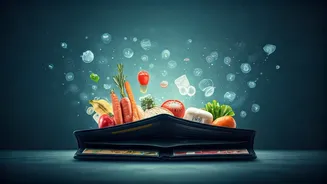
The engine behind this culinary revolution is India's expanding middle class. With rising disposable incomes, this demographic is increasingly spending on experiences rather than just possessions. Dining out, once reserved for special occasions, is now
a regular part of the urban cosmopolitan lifestyle. This shift is driven by a desire for quality and novelty, with consumers willing to pay a premium for unique food experiences. As households have more to spend, their choices are evolving from mere subsistence to discretionary consumption, and the food and beverage industry is one of the biggest beneficiaries. This economic buoyancy is encouraging major corporations like the Aditya Birla Group to enter the premium casual dining space, betting on this sustained consumer behaviour.
From Butter Chicken to Kimchi and Quinoa
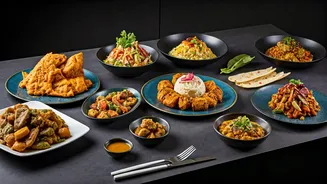
Until a few years ago, restaurant menus in many Indian cities felt repetitive, dominated by a standard fare of North Indian and basic Indo-Chinese dishes. That era is decisively over. Increased exposure to global trends through travel and social media has cultivated a more adventurous Indian palate. Urban diners are now seeking out a world of flavours, leading to a surge in restaurants serving everything from authentic Italian and French to Japanese, Korean, and Mexican cuisine. This isn't just about adopting Western trends; it's a broader curiosity. There's also a powerful movement towards rediscovering India's own diverse regional cuisines, with diners eager to explore dishes like Naga smoked pork or spicy Chettinad curries that offer stories and cultural authenticity beyond the mainstream.
The Sweet Spot: Premium Casual Dining
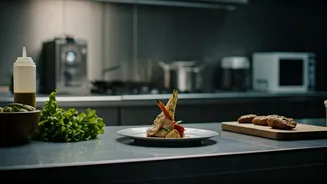
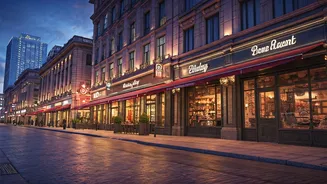
This new consumer class isn't necessarily flocking to stuffy, formal fine-dining establishments. Instead, the fastest-growing segment is "premium casual dining." These restaurants offer the best of both worlds: high-quality, chef-driven food and a sophisticated ambience without the intimidating formality or exorbitant prices of five-star venues. Priced in a sweet spot, they create an accessible illusion of luxury, encouraging more frequent visits. This segment caters perfectly to well-travelled young professionals and families who value a distinctive social experience that feels worthy of the cost but doesn't break the bank. Brands in this space are focusing on innovative concepts, quality ingredients, and strong design to capture this aspirational diner.
Health on the Menu
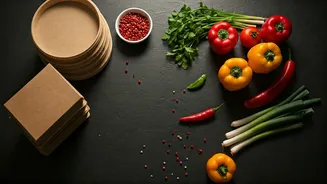
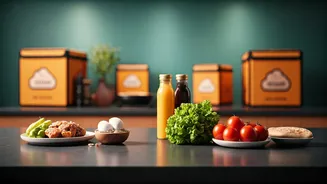
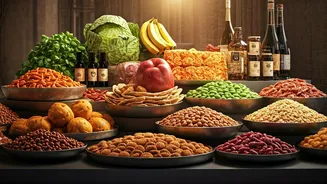
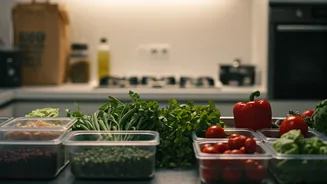
The modern Indian diner is not just adventurous but also increasingly health-conscious. Rising awareness of lifestyle diseases and a general wellness trend have fueled a significant demand for healthier food options. This has moved niche concepts like organic produce, superfoods, and functional foods into the mainstream. Consumers are actively seeking out dishes with high nutritional value, and restaurants are responding by highlighting calorie counts and offering dedicated healthy menus. The demand extends to plant-based proteins, gluten-free options, and the revival of traditional Indian grains like millets, which are now being presented in innovative, modern formats. This shift reflects a move towards preventative health, where food is seen as a tool for overall well-being.
Technology Reshaping How We Eat
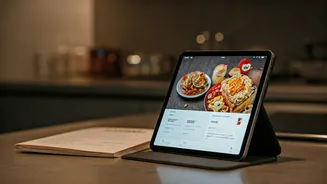
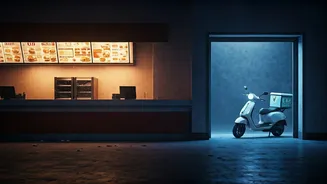
No discussion of modern food culture is complete without mentioning technology's transformative role. Food delivery apps like Zomato and Swiggy have fundamentally altered dining patterns, making a vast array of cuisines available with a few taps. This convenience has been a primary driver of the market's explosive growth, especially in fast-paced urban environments. While this has made eating more impulsive and frequent, it has also given smaller regional brands a platform to reach wider audiences. Social media further fuels the scene, with the "Instagrammability" of a dish or a restaurant's decor becoming a crucial factor for many diners. This digital ecosystem has created a dynamic feedback loop where trends can emerge and spread with unprecedented speed.