






The Robotic Vanguard
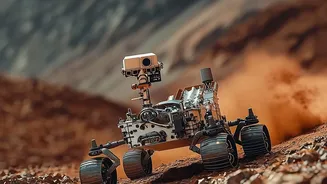
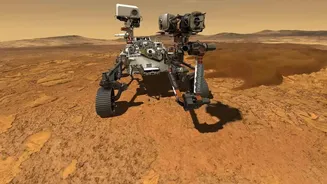
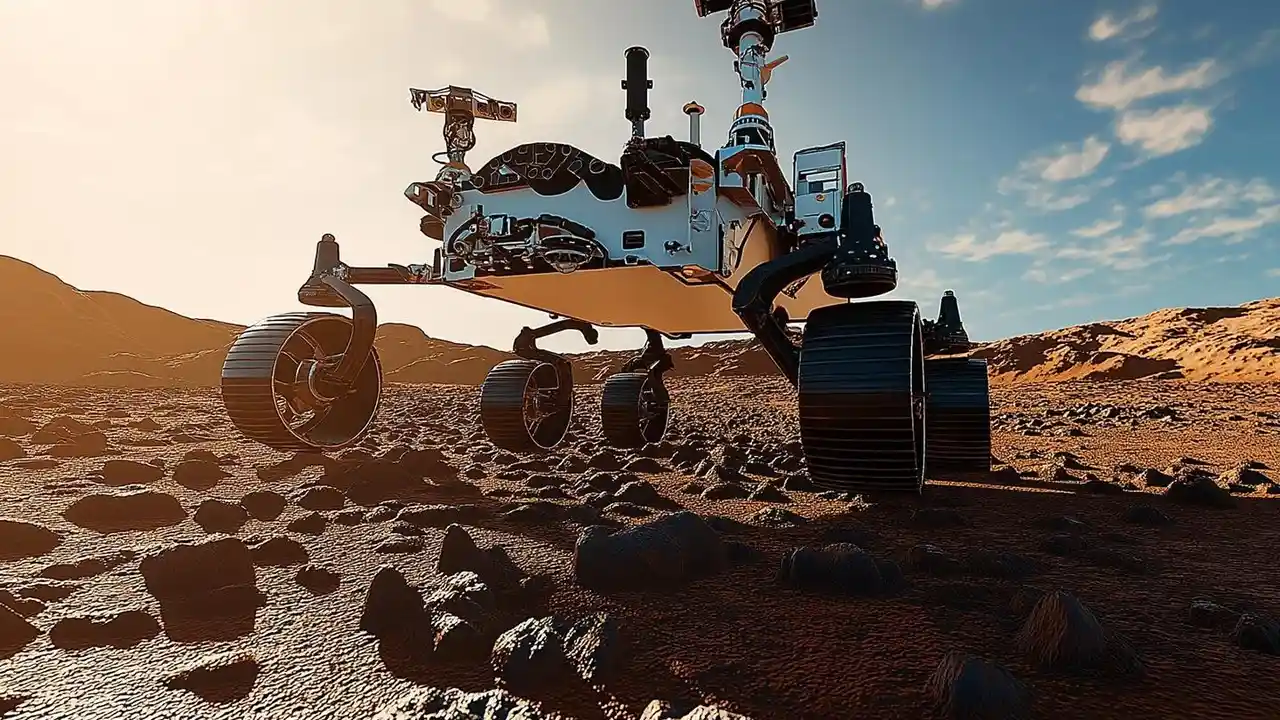
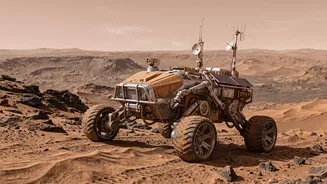
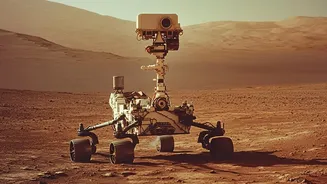
It is impossible to overstate the triumphs of our robotic pioneers on Mars. Machines like NASA's Curiosity and Perseverance rovers have transformed our understanding of the Red Planet. These car-sized mobile laboratories, powered by nuclear batteries,
operate for years, enduring conditions no human could. They don't need food, water, or a return ticket, making them a cost-effective and safe way to conduct initial reconnaissance. Robotic missions have revealed ancient riverbeds, discovered organic molecules, and are diligently collecting samples for a potential future return to Earth, paving the way for everything that comes next.
A Matter of Touch
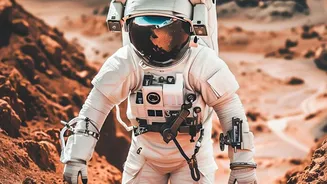
For all their strengths, today's robots struggle with tasks a human performs without a second thought. The issue is dexterity. Even the most advanced robotic hands find it difficult to replicate the nuance of human touch, which combines sensation, fine motor control, and adaptive grip. A rover's arm, while powerful, lacks the finesse to delicately handle a fragile rock sample, repair a complex piece of equipment with unfamiliar tools, or tie a knot. An astronaut on Mars could perform a hundred tasks in a day that would be impossible for a remote-controlled robot—from digging a trench with a spade in minutes, a task that took a robotic probe years to fail at, to navigating rocky terrain that would trap a wheeled vehicle. This dexterity gap means robots are excellent at performing pre-programmed tasks but fall short when faced with the unexpected.
The Judgment Call
Beyond physical touch, the biggest limitation is judgment—the ability to improvise, interpret, and act on scientific curiosity. A rover on Mars operates with a significant time delay, with commands from Earth taking up to 20 minutes to arrive. This requires mission planners to be extremely cautious, avoiding any risks that could end a multi-billion dollar mission. A human geologist on Mars, however, can make decisions in real-time. They can spot an unusual geological formation, deviate from the plan to investigate, and apply a lifetime of knowledge and intuition to understand what they're seeing. This ability to reason through novel problems and act with purpose is something current AI cannot replicate. While AI can execute tasks, it lacks the 'original judgment'—the ability to decide what is worth doing in the first place when faced with a completely new environment.
A Partnership on the Red Planet
The future of Mars exploration isn't a case of 'robots versus humans', but 'robots and humans'. The goal is not to replace astronauts but to make their work safer and more effective. Space agencies like NASA are already developing humanoid robots, such as Valkyrie, designed to work alongside astronauts, taking on dangerous or repetitive tasks. Imagine a future where astronauts in a Martian habitat supervise a fleet of robotic explorers. They could tele-operate rovers into hazardous canyons or caves without personal risk, but be on hand to analyze a groundbreaking discovery in person. This model leverages the best of both worlds: the resilience and expendability of robots, guided by the on-the-spot ingenuity and critical thinking of human experts.