







First, What Are UPI Credit Lines?
Imagine having a pre-approved loan that you don’t have to apply for each time you need it. That’s the basic idea behind a credit line. Now, integrate that directly into the UPI system you already use for daily payments. The result is 'Credit Lines on UPI.'
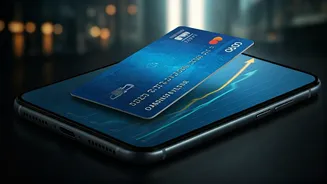
The Reserve Bank of India (RBI) and the National Payments Corporation of India (NPCI) have enabled banks to offer customers pre-sanctioned credit facilities through UPI. This means that instead of your bank account being debited when you scan a QR code, the amount is drawn from this approved credit line. It’s like a digital, on-demand loan that lives in your phone, ready to be used for small transactions at your local kirana store, paying a bill, or making an online purchase. You use what you need, and you only pay interest on the amount you’ve used, not the entire approved limit.
The Old Problem: The Moneylender Trap
To understand why UPI credit lines are so significant, we must first look at the alternative they aim to replace. For millions in India without access to formal credit, the local moneylender has been the only option during a financial emergency. This informal system is notoriously exploitative. It often involves exorbitant interest rates that can climb to staggering heights—sometimes over 100% annually. There is no paperwork, no transparency, and repayment terms are often enforced through intimidation and coercion. This creates a vicious cycle of debt, where a small loan for a medical emergency or a business shortfall can trap a family for generations. The lack of a formal record also means that even timely repayments do nothing to build a person’s credit history, keeping them locked out of the formal banking system forever.
How UPI Offers a Safer Alternative
This is where the new system changes the game. Unlike a moneylender, a UPI credit line comes from a regulated entity like a bank. This means the interest rates are transparent, governed by RBI rules, and significantly lower than what any informal lender would offer. Every transaction is digitally recorded, providing a clear history for both the borrower and the lender. This transparency eliminates the risk of hidden fees or sudden changes in terms. Furthermore, using and repaying this credit responsibly helps build a formal credit history (like a CIBIL score). Over time, this can open doors to larger, more significant loans from the formal banking system, such as a home loan or a business expansion loan. The convenience is also unmatched; funds are available 24/7 with a simple scan, eliminating the stress and delay of seeking out a lender.
Is It a Perfect Solution?
While the potential is immense, calling it a guarantee of 'complete freedom' is a stretch. There are important realities to consider. Firstly, access is not universal. Banks use their own criteria to decide who gets a pre-approved credit line and for how much. A person with no banking history might still find it difficult to get approved. Secondly, while the interest rates are lower than a moneylender's, it is still a loan. Interest will be charged, and late payments will attract penalties and damage your credit score. It requires financial discipline. The ease of access could potentially lead some users into borrowing for non-essential purchases, creating a new kind of digital debt trap if not managed wisely. Digital literacy is another hurdle; users must understand the terms, interest calculations, and repayment schedules to use the facility safely.
Who Stands to Benefit Most?
The most significant impact will be felt by those who are 'credit-starved' but digitally active. Think of a small street food vendor who needs ₹5,000 to buy supplies for the day. Instead of borrowing at a high daily rate from a moneylender, they can now pay their supplier via UPI using their credit line and settle the amount later. Or consider a salaried employee facing a sudden, unexpected expense a few days before their salary arrives. A UPI credit line offers an instant, dignified solution without the need to borrow from friends or risk falling into a predatory loan app trap. It bridges the gap for small-ticket, short-term credit needs that the formal banking system has traditionally struggled to serve efficiently and profitably.