
Reimagine Yesterday's Meal
The first rule of using leftovers is to stop thinking of them as just a reheated version of last night’s dinner. Instead, view them as ingredients for a whole new dish. This mindset shift is the key to unlocking a world of culinary creativity. Many Indian
dishes, in fact, taste even better the next day as the spices meld and deepen in flavour. A leftover sabzi or curry can be mashed and used as a filling for a toasted sandwich or a wrap. Similarly, leftover dal can be transformed. Instead of simply reheating it, try kneading it with wheat flour, chopped onions, and spices to create flavourful and soft dal parathas. It's a classic technique in Indian homes for a reason: it's delicious, reduces waste, and creates a completely new meal experience.
Give Your Grains a Second Life
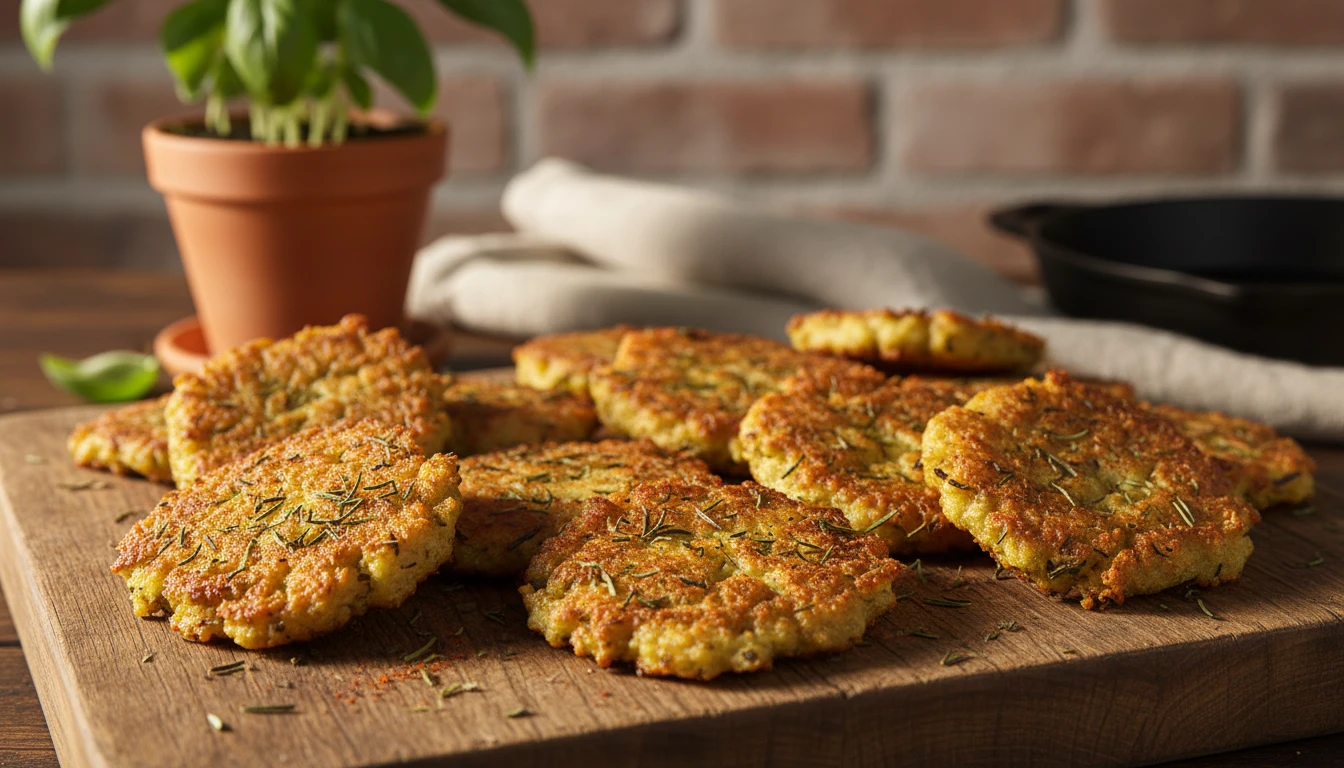
Leftover rice is one of the most versatile ingredients you can have in your fridge. Rather than just serving it as a side, it can become the star of the next meal. A simple vegetable fried rice is a quick and easy option, allowing you to toss in any stray vegetables you have on hand. For something a bit different, leftover rice can be mixed with besan (chickpea flour) and spices to create crispy pakoras, perfect as a snack. You can even get more creative by making rice cutlets or a savoury rice pudding. For those who enjoy South Indian cuisine, leftover idlis can be crumbled and sautéed with mustard seeds and curry leaves to make a flavourful idli upma.
Embrace the Best of the Season
Cooking with seasonal produce is not only cost-effective but also ensures you’re getting ingredients at their peak flavour and nutritional value. When you find yourself with a surplus of seasonal vegetables, think beyond the standard preparations. A big batch of roasted vegetables can be used in multiple ways throughout the week. Toss them into salads, add them to omelettes, or blend them into a hearty soup. Overripe fruits, like spotty bananas or soft peaches, are perfect for baking. Mash them into breads, muffins, or cook them down into a simple sauce to top on yoghurt or oatmeal. This approach not only saves food but also encourages you to try new recipes based on what's fresh and available.
Don't Throw Away the Flavour
A surprising amount of flavour—and nutrition—is often discarded in the form of vegetable scraps. Before you toss those carrot peels, onion skins, celery ends, or herb stems, consider saving them in a bag in your freezer. Once you've collected enough, you can simmer them in a pot of water to create a rich and flavourful homemade vegetable broth. This stock can then be used as a base for soups, stews, and sauces, adding a depth of flavour that you can't get from a cube. It’s a simple, zero-cost way to elevate your cooking while making the most of every single part of the vegetable.
Smart Storage and Prep
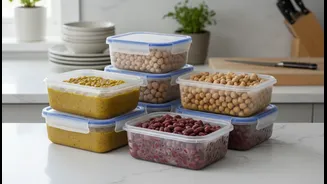
One of the most practical skills for reducing food waste happens before you even start cooking. Knowing how to properly store your produce can dramatically extend its life. Leafy greens, for instance, can be washed, dried, and stored in a container with a paper towel to keep them fresh for longer. Freezing is another powerful tool. If you know you won't get to a bunch of fresh herbs, chop them up and freeze them in an ice cube tray with a bit of oil or water. These can be dropped directly into a pan for a burst of fresh flavour. Similarly, overripe fruits can be chopped and frozen for future smoothies. A little bit of planning can save a lot of food down the line.