



The Real Cost of Fast Fashion
For decades, fast fashion has dominated wardrobes, offering trendy, affordable clothing at an unprecedented speed. [21] This model, however, comes at a significant environmental and social price. India's textile industry is now the third-largest generator
of dry waste, producing nearly 7,800 kilotonnes annually. [23, 24] Much of this ends up in landfills. Beyond waste, the industry is a massive consumer of water; a single cotton t-shirt can require up to 2,700 litres. [23] Toxic dyes and chemicals used in production pollute rivers and groundwater, with residues found in water samples across India's textile belt. [26] This hidden toll—on the planet and its people—is the source of the guilt that a new generation of consumers is no longer willing to ignore. [11, 21]
A Generational Shift in Values
India's Gen Z and young millennials are leading the charge for change. [11] Constituting a significant portion of online shoppers, their purchasing decisions are increasingly driven by a desire for sustainability, transparency, and ethical production. [6, 10, 16] For this generation, a purchase is not just a transaction; it's a statement of identity and a vote for the kind of world they want to live in. [5] This consciousness is amplified through social media, where influencers and creators raise awareness about fast fashion's impact, shifting the narrative from mindless consumption to mindful style. [14] Studies show a high percentage of young Indian consumers are willing to pay more for eco-friendly products and expect brands to be transparent about their environmental impact. [11, 16]
The Thrifting Revolution Takes Hold
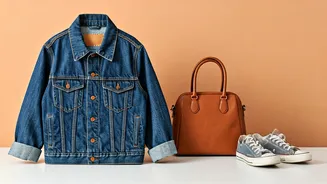
Once a niche market, thrift shopping has exploded into the mainstream, fueled by social media and a cultural shift away from the stigma of second-hand. [12] For young Indians, thrifting offers a trifecta of benefits: affordability, sustainability, and unique style. [2] Instagram thrift stores and digital resale platforms have made it easier than ever to access pre-loved fashion, extending the lifecycle of garments and reducing the demand for new production. [2, 4] This movement has transformed second-hand clothing from a marker of necessity into a badge of honor, signifying a rejection of the wasteful fast-fashion cycle. [5, 12]
Championing Homegrown and Handcrafted
There's a renewed appreciation for India's rich heritage of textiles and craftsmanship. [19] Young consumers are increasingly turning to homegrown, slow-fashion labels that prioritize quality over quantity. [3] These brands often work directly with local artisans, reviving traditional techniques like handloom weaving, block printing, and natural dyeing. [9, 14, 19] By supporting labels such as Doodlage, which upcycles factory waste, or No Nasties, known for its organic and fair-trade certified garments, shoppers are investing in clothing that is ethical, durable, and culturally rooted. [20, 22] This shift represents a move towards a more sustainable and socio-economically responsible fashion ecosystem. [19]
More Than Just Buying: Renting and Upcycling
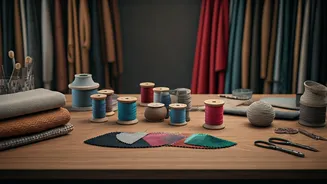
The quest for a guilt-free wardrobe goes beyond just what you buy. The circular fashion economy is gaining traction through innovative models like clothing rentals and a burgeoning DIY upcycling culture. [14] Renting outfits for special occasions provides access to high-end fashion without the commitment of ownership, reducing consumption. Simultaneously, a creative spirit of upcycling is inspiring many to transform old or discarded textiles into new, fashionable pieces. [5] This hands-on approach not only minimizes waste but also fosters a deeper connection with the clothes we wear, treating them as long-term assets rather than disposable trends. [14]