



The Soothing Power of Steam
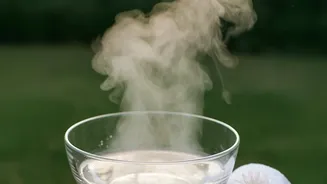
Leaning over a bowl of hot, aromatic water is a cherished home remedy for colds and blocked noses across the country. The warm, moist air provides immediate comfort, helping to soothe irritated airways and create a sense of relief. This practice is rooted
in the belief that inhaling steam helps to loosen stubborn mucus in the nasal passages, throat, and even the lungs, making it easier to breathe. The simple act of taking a few moments to focus on your breathing and inhale the warmth can be relaxing in itself, offering psychological comfort when you're feeling unwell. This sensation of relief is why steam inhalation remains one of the most popular go-to remedies for nasal congestion and sinus pressure.
What Science Says About Steam
While steam feels good, the scientific evidence for its effectiveness in treating sinus infections is mixed. The main benefit comes from the moisture. Inhaling warm water vapour can help thin out and soften mucus, which may help it drain more easily. This can provide temporary relief from that stuffy, congested feeling. However, studies on its long-term effectiveness, particularly for chronic sinusitis, have found limited to no real benefit in clearing the condition itself. Some research suggests steam inhalation does little more than provide a placebo effect and may help with sinus headaches but not the underlying congestion. It's best to view steam as a comfort measure that can provide temporary relief, not a cure for a sinus infection.
The Role of Herbs
Adding herbs like eucalyptus, peppermint, or thyme to the water is a common practice. These botanicals release aromatic compounds that can enhance the experience. Oils like eucalyptus and peppermint contain compounds that create a cooling sensation, which can make you feel as though your nasal passages are more open. While these herbs have known anti-inflammatory and antimicrobial properties, their primary benefit in steam is likely related to this soothing, sensory effect rather than a direct medicinal impact on the infection. Think of it as aromatherapy that complements the steam's humidifying action, making the process more pleasant.
Navigating the Risks
The biggest and most immediate risk associated with facial steam inhalation is not the steam itself, but the hot water used to create it. There is a significant danger of accidental burns or scalds, especially if the bowl of hot water is knocked over. This risk is particularly high for children, who should not inhale steam directly from a bowl. To get the benefits of steam more safely, consider taking a hot shower in a closed bathroom, which fills the air with warm, moist vapour without the risk of direct contact with boiling water. If you do use a bowl, ensure it's on a stable surface and keep your face at a safe distance—at least 8-12 inches away.
Red Flags: When to See a Doctor
Home remedies are for mild symptoms, but a sinus infection can sometimes become serious. It is crucial to seek medical attention if your symptoms are severe or persistent. You should consult a doctor if you experience any of the following: symptoms that last for more than 10 days without improvement; a high fever (above 102°F); severe headache or facial pain, particularly around the eyes or forehead; swelling or redness around your eyes; changes in your vision, like double vision; or a stiff neck and confusion. Also, if your symptoms seem to get better and then suddenly return worse than before, it could be a sign of a secondary bacterial infection that requires medical treatment, possibly with antibiotics.
Smarter Sinus Care at Home
While steam can be a comforting part of your self-care routine, other evidence-backed methods are often more effective. Saline nasal rinses, using a neti pot or squeeze bottle with sterile or distilled water, are highly recommended by medical experts to flush out mucus and allergens. Staying well-hydrated by drinking plenty of water and warm liquids like tea or soup helps to keep mucus thin from the inside out. Applying a warm compress to your face can also help ease pressure and pain. Finally, resting with your head elevated can use gravity to help your sinuses drain more effectively. Combining these strategies often yields better results than relying on steam alone.