


From All-Out Feasts to Mindful Moments
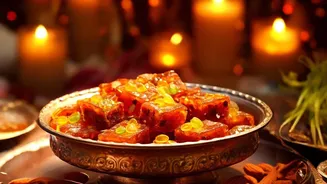
Indian festivals are synonymous with food. For generations, celebrations have meant an abundance of rich, ghee-laden sweets, deep-fried snacks, and elaborate meals. This culinary explosion is central to the joy and community spirit of the festive season.
Traditionally, this often led to an all-or-nothing approach: periods of fasting followed by days of unrestrained feasting, leaving many feeling sluggish, bloated, and guilty. Now, a cultural shift is underway. More people are moving away from this extreme cycle and embracing what experts call “mindful indulgence.” The goal is no longer to simply feast, but to savour, enjoy, and feel good throughout the celebrations.
The Art of Mindful Indulgence
So, what exactly is mindful indulgence? It’s not about deprivation or labelling foods as 'good' or 'bad'. Instead, it's a conscious approach to enjoying the festive foods you truly love without overdoing it. Nutritionists suggest it’s about balance and awareness. This means practicing portion control, perhaps by using a smaller plate or following a one-sweet rule. It's about truly tasting and appreciating each bite, paying attention to the flavours and textures, which can lead to greater satisfaction with less food. This approach also includes making smart swaps, like choosing baked or air-fried versions of snacks over deep-fried ones and opting for homemade sweets made with natural sweeteners like jaggery. It's a strategy that allows for enjoyment without derailing long-term health goals.
Why Consistent Meals Are Key
A crucial part of this new festive eating philosophy is the move towards more consistent meals. For years, a common tactic was to skip breakfast or lunch to “save up” calories for a big festive dinner. However, dietitians now widely advise against this. Arriving at a party ravenously hungry often leads to overeating and poor food choices. Skipping meals can also disrupt your metabolism and energy levels. The modern approach encourages starting the day with a healthy, balanced meal. Eating regular, nutrient-dense meals—including proteins, fibre, and healthy fats—keeps your energy stable and your appetite in check. This makes it easier to make mindful choices at a celebration, enjoying a few special treats without feeling the need to eat everything in sight. Planning lighter, home-cooked meals on non-festive days can also help create a healthy balance throughout the season.
Putting It Into Practice
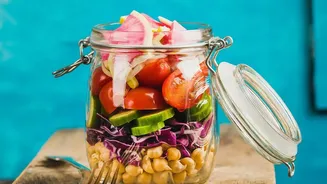
Adopting this balanced approach is surprisingly simple. A popular technique is the 'plate method': fill half your plate with vegetables or salad, a quarter with a lean protein like dal or paneer, and the final quarter with grains like rice or roti. This ensures you get essential nutrients while still leaving room for festive flavours. Staying hydrated with water, coconut water, or buttermilk is also crucial, as thirst is often mistaken for hunger. Another great tip is to have a small, healthy snack before heading to a party, such as a piece of fruit or a handful of nuts, to curb initial hunger pangs. And don't forget to stay active; a simple walk or participating in family games can aid digestion and boost energy. It’s about making small, consistent efforts that add up.
A Cultural Shift Towards Wellness
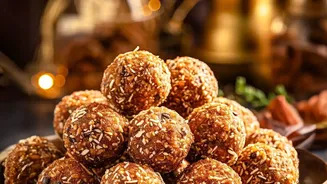
This evolving attitude towards festive food reflects a broader wellness trend in India. There is a growing awareness of how food impacts overall well-being, both physically and mentally. People are increasingly seeking a balance that honours cultural traditions without sacrificing personal health. Festivals are being reframed as a time for holistic joy—which includes savouring delicious food, connecting with loved ones, and also feeling energetic and healthy. This shift is not about rejecting the ladoos and samosas that define our celebrations, but about finding a more sustainable and enjoyable way to embrace them. By blending time-honoured recipes with modern wellness wisdom, festive eating is becoming a more thoughtful and ultimately more joyful experience.