



First, Why Bother With Fibre?
Before we dive into the swaps, let's quickly cover why fibre is so important. Dietary fibre is a type of carbohydrate found in plants that your body can't digest. It plays a crucial role in maintaining good health. It aids digestion and prevents constipation,
helps you feel fuller for longer which can support a healthy weight, and can help manage blood sugar and cholesterol levels. Studies show that diets rich in fibre are associated with a lower risk of heart disease and other chronic conditions. The Indian Council of Medical Research (ICMR) suggests adults aim for about 25-30 grams of fibre per day, but many people, especially in urban areas, consume only about half of that. The good news is that closing this gap doesn't require expensive supplements or 'superfoods'.
Swap White Grains for Whole Grains
This is perhaps the single most effective swap you can make. Refined grains, like white bread, white rice, and maida, have had their outer fibrous layers removed. Whole grains keep this layer intact, providing significantly more fibre. Start by swapping white rice for brown or unpolished rice in your daily meals. When making rotis or parathas, use whole wheat atta instead of maida. Look for bread, pasta, and breakfast cereals that list 'whole wheat' or 'whole grain' as the first ingredient. These simple changes can add a substantial amount of fibre to your diet with minimal effort or cost.
Choose Whole Fruits Over Juices
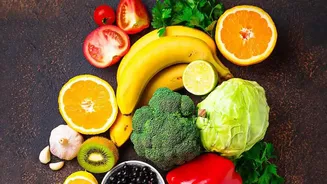
A glass of fresh fruit juice might seem healthy, but the juicing process strips away almost all the beneficial fibre found in the fruit's pulp and skin. What you're left with is mostly sugar water. Eating a whole apple, orange, or guava provides the fibre that slows down sugar absorption, keeps you feeling full, and benefits your digestive system. If you enjoy fruit drinks, consider making a smoothie instead. Blending the whole fruit retains the fibre, giving you a much more nutritious beverage.
Add Legumes to Your Meals
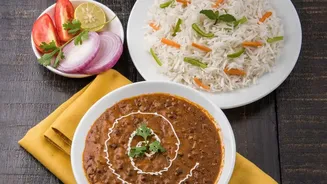
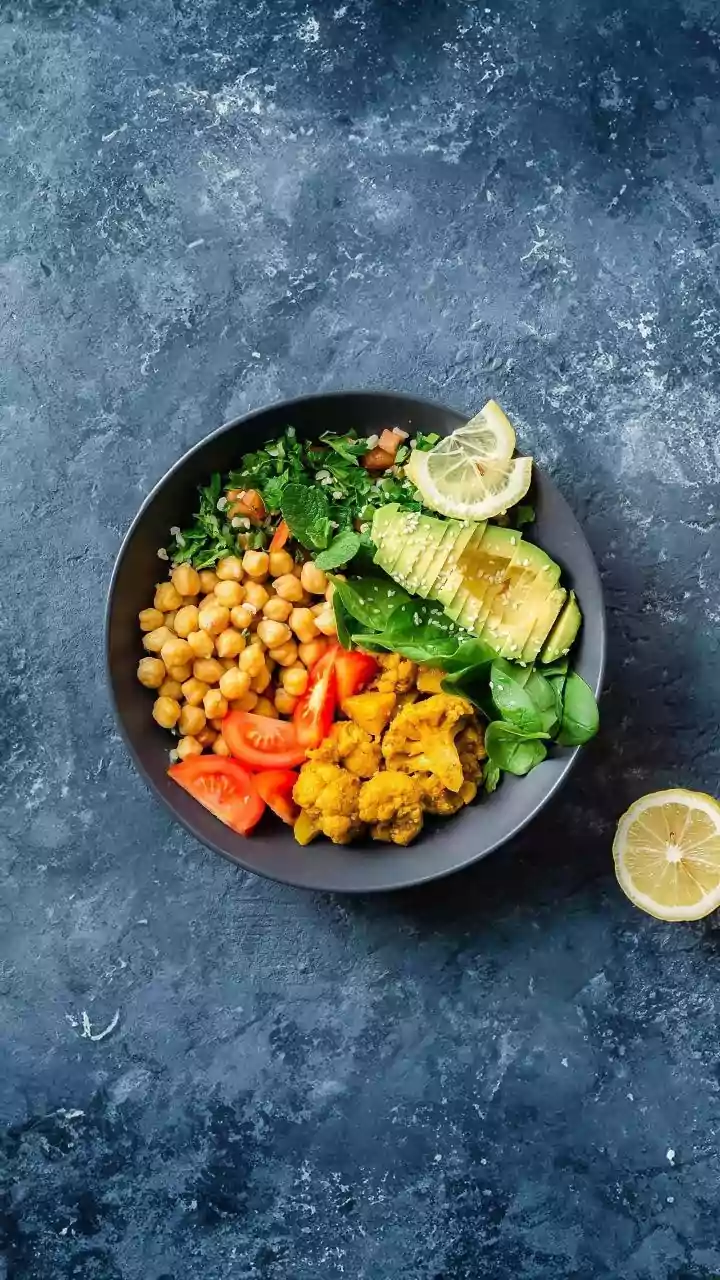
Pulses and legumes like lentils (dals), chickpeas (chana), and kidney beans (rajma) are fibre powerhouses and incredibly budget-friendly. They are a cornerstone of Indian cuisine for a reason. Make it a goal to include a serving of legumes in at least one meal per day. This could be a simple dal with rice, chana masala, or rajma curry. You can also add cooked beans to salads, toss them into soups, or even use them to make dips like hummus, which pairs wonderfully with whole-grain crackers or vegetable sticks.
Don't Peel Your Vegetables
A surprising amount of fibre and nutrients are located in the skin of many vegetables. For produce like potatoes, cucumbers, carrots, and apples, you're better off giving them a good scrub rather than peeling them. The skin on a potato, for example, contains a significant portion of its total fibre. Simply washing your vegetables thoroughly and cooking them with the skin on is an effortless way to preserve their full nutritional benefits and reduce food waste at the same time.
Snack on Nuts and Seeds
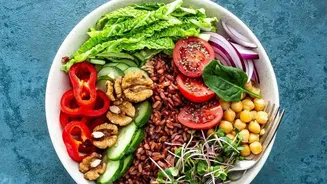
Instead of reaching for a packet of chips or biscuits, which are often made from refined flour and low in nutrients, switch to a handful of nuts and seeds. Almonds, walnuts, chia seeds, and flaxseeds are all excellent sources of fibre, healthy fats, and protein. They provide a satisfying crunch and can keep hunger at bay between meals. You can eat them plain, mix them into a trail mix, or sprinkle them over your morning porridge, yoghurt, or salads for an extra fibre and texture boost.
Bulk Up Dishes With More Veggies
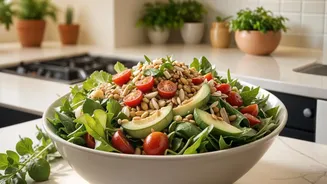
Finally, make it a habit to sneak more vegetables into every meal. This is a simple trick to increase fibre, vitamins, and minerals without drastically changing your favourite recipes. Add finely grated carrots or zucchini to your pasta sauce or dal. Throw a handful of spinach into your morning omelette or smoothie. Add extra peas, corn, or beans to your rice dishes and curries. These small additions add up throughout the day, helping you easily reach your fibre goals.