


What Makes a Workout Protein 'High Quality'?
Before diving into these three powerhouses, it's helpful to know what makes a protein source effective for exercise. It comes down to amino acids, the building blocks of protein. Your body needs 20 different types, nine of which are “essential,” meaning
you must get them from food. A “complete protein” contains all nine essential amino acids (EAAs) in sufficient amounts. Animal proteins are naturally complete, but many plant sources are too. For workout recovery, Branch-Chain Amino Acids (BCAAs)—leucine, isoleucine, and valine—are particularly important as they play a key role in triggering muscle repair and growth. A high-quality plant-based workout protein will be easily digestible and rich in these crucial amino acids.
Pumpkin Seeds: The Mineral-Rich Protein Snack
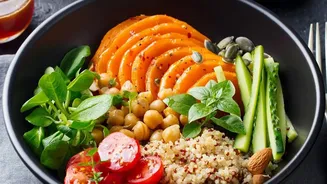
Often overlooked, pumpkin seeds are a nutritional giant. An ounce (about 28 grams) provides around 8.5 grams of plant protein. While some sources debate whether they are a fully complete protein, they contain all nine essential amino acids and are particularly rich in tryptophan. What makes them a workout-specific winner is their incredible mineral profile. That same one-ounce serving is loaded with magnesium (about 37% of your daily needs) and zinc (around 20% of your daily needs). Magnesium is vital for muscle function, energy metabolism, and preventing cramps, while zinc supports immune function and recovery. This makes a handful of pumpkin seeds an ideal snack to replenish nutrients post-exercise, supporting overall recovery beyond just protein content.
Tofu: The Versatile Complete Protein
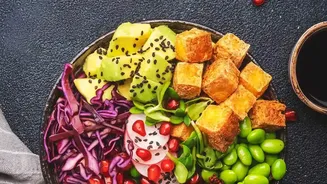
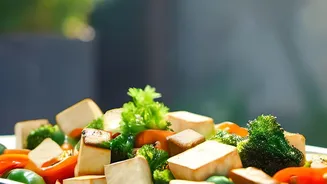
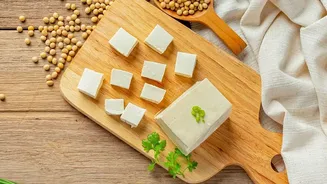
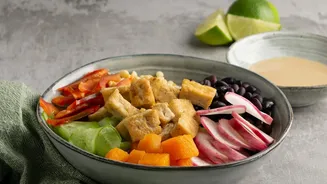
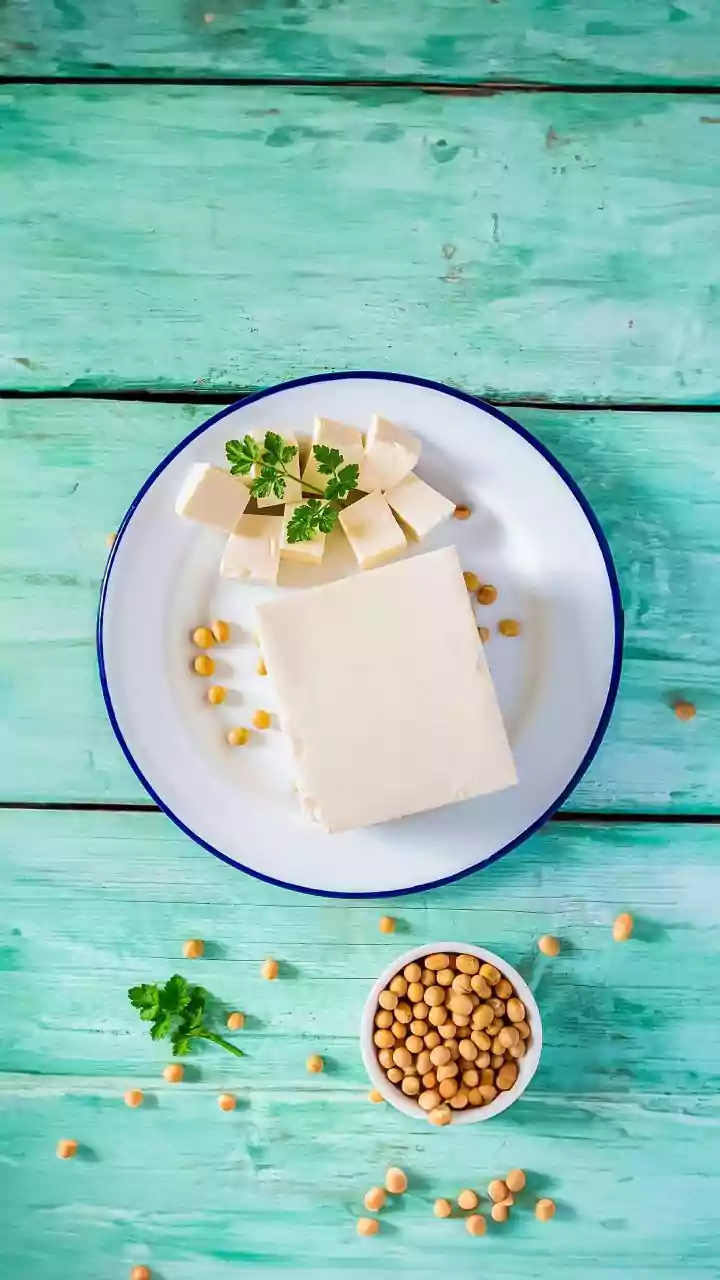
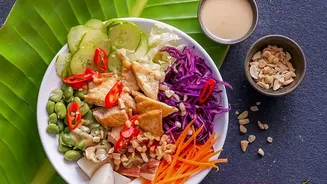
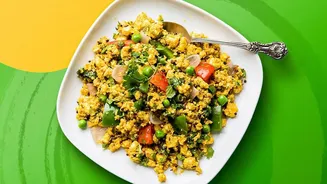
Tofu, made from soybeans, is a cornerstone of plant-based eating for good reason: it’s a complete protein, containing all nine essential amino acids your body needs to build and repair tissue. A 100-gram serving of firm tofu packs between 10 to 19 grams of protein, making it comparable to many animal sources. It’s also a fantastic source of the BCAA leucine, which is instrumental in signaling muscle growth. Beyond its stellar protein profile, tofu is also rich in calcium and iron, which support bone health and oxygen transport to muscles, respectively. Its mild flavour and versatility mean it can be easily added to post-workout smoothies, stir-fries, or scrambles for a digestible and effective recovery meal.
Lentils: The Fibre-and-Iron Powerhouse
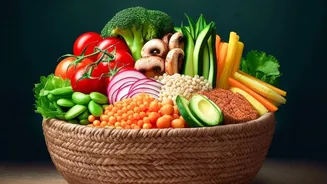
Lentils are an affordable and nutrient-dense legume perfect for active individuals. A single cooked cup delivers around 18 grams of protein and an impressive 16 grams of fibre. While lentils are slightly low in one essential amino acid (methionine), they are considered a high-quality protein source and are especially rich in lysine. This is easily balanced by pairing them with grains like rice or quinoa, a classic combination that creates a complete protein profile. Lentils are also an exceptional source of iron, with one cup providing about 6.6 mg. Iron is crucial for transporting oxygen to working muscles, and a sufficient intake helps fight fatigue and improve endurance. The combination of protein for muscle repair, carbohydrates for energy replenishment, and iron for oxygen transport makes lentils a true triple-threat for workout nutrition.