


Why Overripe Mangoes Are a Secret Weapon
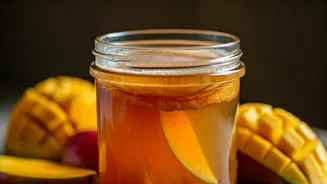
During Indian summers, it’s a race against time to eat mangoes at their peak perfection. But the ones that get a little too soft, too sweet, and too ripe are actually fermentation gold. Overripe mangoes have a higher concentration of natural sugars and broken-down
fruit fibres. For kombucha’s second fermentation, this is a huge advantage. The extra sugar provides more food for the yeast and bacteria in your kombucha starter, resulting in a more vigorous fermentation. This means more natural carbonation (fizz!) and a deeper, more complex mango flavour that permeates the entire drink. Instead of seeing a mushy mango as waste, think of it as a flavour-packed, ready-to-use ingredient for your next brewing project.
Understanding the Probiotic Boost
Kombucha is a fermented tea made using a SCOBY (Symbiotic Culture of Bacteria and Yeast). The initial fermentation creates a tart, slightly effervescent base drink. The magic of flavouring happens in the second fermentation (often called F2), which is where our mango pulp comes in. By adding the pulp to your finished plain kombucha and sealing it in a bottle, you kickstart a new round of fermentation. The microbes consume the sugars from the mango, producing carbon dioxide and infusing the drink with flavour. This process not only makes your kombucha delicious but can also maintain the diverse range of live and active cultures. While health benefits can vary, these probiotic cultures are widely believed to contribute to a healthy gut microbiome, aiding in digestion and overall wellness.
What You Will Need
The beauty of this process is its simplicity. You don't need a fancy lab, just a few key items. First, you'll need finished, unflavoured kombucha from your primary fermentation. Second, the star of the show: the pulp from one or two very ripe mangoes, blended until smooth. Finally, and most importantly, you need airtight glass bottles designed for carbonation. Swing-top or Grolsch-style bottles are ideal because they are built to withstand the pressure that builds up during fermentation. Using standard glass jars or decorative bottles is extremely dangerous, as they can crack or explode under pressure.
The Step-by-Step Brewing Guide
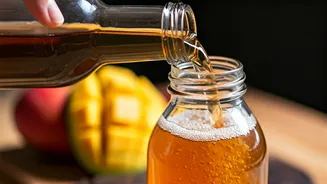
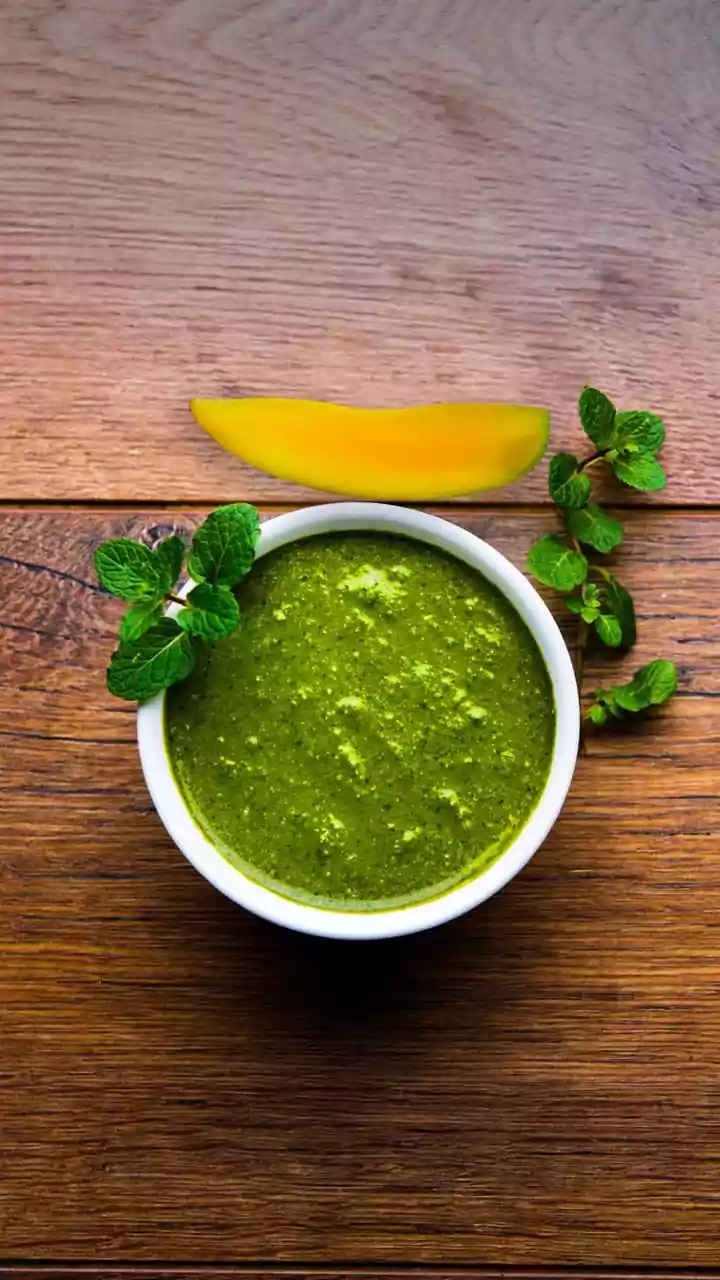
Ready to turn that pulp into a probiotic potion? It’s easier than you think. 1. **Prepare Your Pulp:** Blend your overripe mango flesh until it's a smooth puree. If it’s very fibrous, you can strain it through a fine-mesh sieve, but leaving some pulp adds texture and flavour. 2. **Bottle It Up:** For a standard 500ml bottle, add 2-4 tablespoons of your mango puree directly into the bottom of the bottle. A small funnel makes this process much cleaner. 3. **Top with Kombucha:** Carefully pour your plain kombucha over the mango puree, leaving about 1-2 inches of headspace at the top. This space is crucial for the carbonation to build up safely. 4. **Seal Tightly:** Secure the cap, ensuring it’s completely airtight. Give the bottle a gentle swirl to mix the pulp and the kombucha.
Ferment, Burp, and Chill
Once bottled, leave your mango kombucha at room temperature, away from direct sunlight, for 2 to 4 days. The warmer your kitchen, the faster it will ferment. The most critical step is to “burp” your bottles at least once a day. Briefly open the cap to release the built-up CO2, then immediately seal it again. This prevents excess pressure and potential explosions while allowing you to check the carbonation level. You’ll hear a satisfying “psst” sound when you open it. Once it reaches your desired level of fizz, transfer the bottles to the refrigerator. The cold temperature will halt the fermentation process and allow the flavours to meld. Your mango kombucha is now ready to enjoy!
Safety First: A Brewer's Checklist
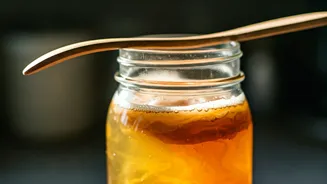
Fermentation is a natural process, but it requires care. Always use clean bottles and utensils to avoid introducing unwanted bacteria. Keep a close eye on your brew. If you see any fuzzy, colourful mold (green, black, or blue) on the surface, discard the entire batch immediately. Don’t confuse mold with the brown, stringy yeast strands that are a normal part of kombucha. The golden rule of homebrewing is: when in doubt, throw it out. Your brew should smell pleasantly sweet and tart, not foul or cheesy. Trust your senses, and always prioritize safety over saving a single batch.