



It's All About the 'Terroir'
If you’re familiar with wine, you’ve likely heard the term ‘terroir’. It’s the idea that the unique environment of a place—its soil, climate, and altitude—imparts a distinct character to what’s grown there. Tea is just as sensitive to its surroundings.
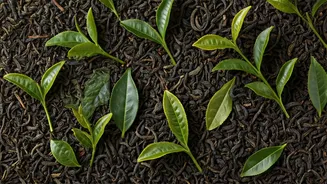
A tea plant, Camellia sinensis, will express itself differently depending on where it lives. Tea grown at high altitudes where growth is slower often develops more complex, aromatic compounds. The mineral content of the soil and the local ecosystem, such as nearby flowers or pine forests, can also introduce subtle notes into the final cup. This is why a tea from the clay-like soils of Assam in India has a characteristic malty briskness, completely different from one grown in the volcanic soils of Kenya. The concept of terroir is the foundation of quality, giving a tea its unique identity before a single leaf is even processed.
Single-Origin vs. Expert Blends
When you explore high-quality teas, you’ll encounter two main philosophies: single-origin and blends. A single-origin tea comes from one specific location, which could be a country, a region, or even a single farm. Its purpose is to showcase the unadulterated character of that particular terroir. The flavour can vary from year to year, reflecting the specific weather conditions of that season, which is part of its charm. Blends, on the other hand, are created by combining teas from different origins. The goal of a master blender is not to hide imperfections, but to create a consistent, balanced, and often more approachable flavour profile. Think of classic blends like Earl Grey or English Breakfast; their reliability is precisely the point. One isn’t inherently better than the other. A great blend made from high-quality leaves is far superior to a poor single-origin tea. The key is the quality of the raw materials and the skill of the producer.
The Human Element: Ethical Sourcing
Better sourcing isn’t just about geography; it's also about people. The tea industry has a complex history, and ensuring that farmers and workers are treated fairly is a critical part of a quality product. Certifications are a good starting point for consumers. The Fairtrade logo, for instance, indicates that producers received a guaranteed minimum price and an additional premium to invest in their communities. The Rainforest Alliance certification focuses on a blend of environmental protection and human rights, like safe working conditions and biodiversity conservation. However, some of the most ethical sourcing happens outside of formal certification through a model called 'direct trade'. This is where a tea company builds a direct relationship with the farmers, cutting out intermediaries. This often results in higher pay for farmers, greater transparency for consumers, and a fresher, higher-quality product because the supply chain is shorter.
From Leaf to Cup: The Craft of Processing
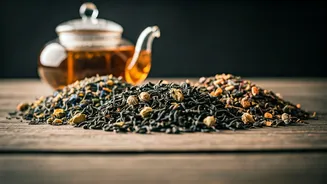
The same leaf can become green, white, oolong, or black tea. The difference comes down to processing, especially the level of oxidation the leaf undergoes after being picked. Processing is a craft that has a remarkable impact on the final flavour. Steps like withering (letting the leaves wilt), rolling or bruising (to kickstart oxidation), and drying must be carefully controlled. For green tea, the leaves are quickly heated to prevent oxidation, preserving their fresh, vegetal character. For black tea, the leaves are encouraged to fully oxidise, which develops deeper, maltier flavours. The skill of the tea master is crucial here. They use their senses to guide the process, knowing the exact moment to halt oxidation to achieve a desired flavour profile. This human touch is an essential, often invisible, part of what makes a tea great.
Why Freshness Is Key
Finally, the journey itself matters. Tea is a perishable product, and its delicate flavours can degrade with time, heat, and light. A shorter and more transparent supply chain, often found with direct trade models, means the tea gets to you faster, preserving its intended character. When you buy from companies that are transparent about their sourcing, they can often provide details like the harvest date or 'flush'. This information tells you not only how fresh the tea is but also what to expect in terms of flavour, as the season dramatically impacts a tea's profile. Poor handling, long storage times, and an opaque supply chain can make even the best-grown tea taste dull and flat. Seeking out fresh, well-sourced tea is one of the easiest ways to immediately elevate your drinking experience.