




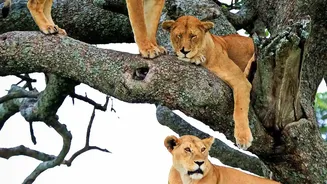
The Risk of a Single Home
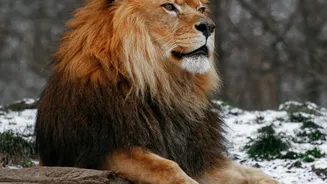
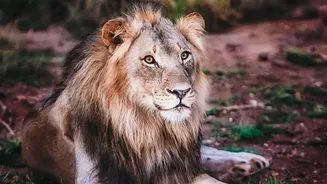
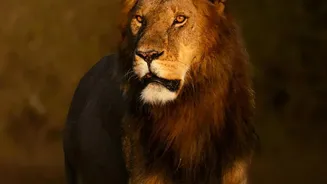
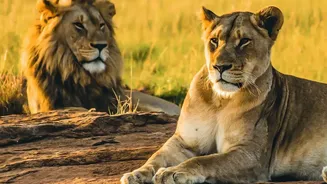
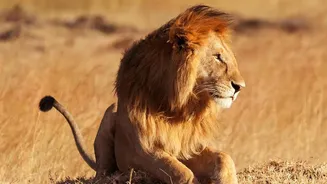
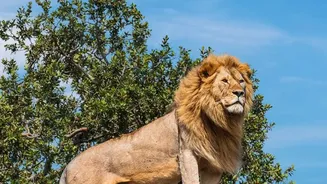
The concentration of India's roughly 900 Asiatic lions in a single landscape is a significant conservation concern. A single catastrophic event, like the canine distemper virus outbreak that killed dozens of lions in 2018, could devastate the species.
Conservation scientists have long advocated for establishing a second, geographically separate population to mitigate this risk. This 'metapopulation' approach acts as an insurance policy, ensuring that the entire species isn't vulnerable to a localized disaster, whether it's disease, a massive wildfire, or climate-related events. The success in Gir has led to lions spilling out into surrounding areas, creating human-wildlife conflict and highlighting the urgent need for more space.
Why Barda Wildlife Sanctuary?
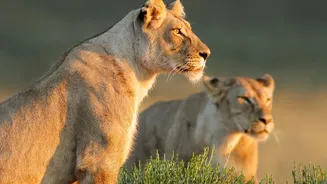
Located about 100 kilometres from Gir, the Barda Wildlife Sanctuary has emerged as the leading candidate for this second home. Spanning over 192 square kilometres in the Porbandar and Devbhumi Dwarka districts, the sanctuary has a rugged terrain with forests and grasslands that are similar to Gir. Lions historically roamed this area until they disappeared around 1879. The idea of Barda as a second home isn't new, but it gained significant momentum in January 2023 when a male lion naturally dispersed from Gir and walked into the sanctuary. Following this natural recolonisation, the Gujarat Forest Department augmented the budding population by introducing five females, kickstarting a new chapter for the sanctuary.
The Scientific Assessment
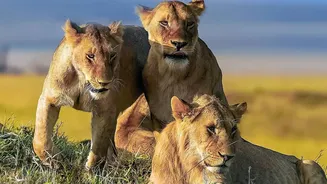
A recent study, titled 'Beyond Gir: Barda Wildlife Sanctuary as a Potential Stronghold for Asiatic Lions', has provided crucial insights. Researchers radio-collared six lions—the original male and the five introduced females—and tracked their movements extensively between January 2023 and July 2025, gathering over 169,000 GPS locations. The data shows the lions are not just surviving but thriving. They have established distinct home ranges, with an average size of about 70 square kilometres, and are showing signs of social structuring. The study confirmed that Barda's habitat is suitable and can support a long-term population. As of October 2026, the population in Barda had grown to 17 lions, including 11 cubs, a promising sign of successful breeding.
The Challenges: Prey and People
Despite the positive signs, challenges remain. The scientific assessment noted that the wild prey base in Barda is currently low. The lions' diet consists heavily of wild pig, supplemented by livestock like cattle. This reliance on domestic animals raises the potential for conflict with local communities. To address this, authorities are actively working on prey augmentation. Since 2007, hundreds of spotted deer (chital) and sambar have been released into the sanctuary, with 441 chital translocated from Gir in 2025-26 alone. The government has also announced a financial package to encourage the voluntary relocation of semi-nomadic pastoralist families, known as Maldharis, living inside the sanctuary to reduce human-wildlife friction.