







The Headline Numbers
India's retail inflation, measured by the Consumer Price Index (CPI), accelerated to 4.38% in June 2026. This is a notable increase from the 3.93% recorded in May and marks the highest inflation rate in 18 months. For the first time in over a year, the rate has
surpassed the Reserve Bank of India's (RBI) medium-term target of 4%. The rise was slightly above what many economists had predicted, signaling that price pressures are more persistent than previously hoped. This mid-year data point is a critical indicator that both the government and ordinary households will be watching closely.
What’s Driving the Price Rise?
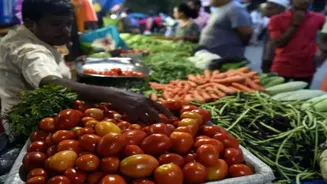
The primary culprits behind the June inflation spike are food and fuel. Food inflation, which carries significant weight in the average Indian's spending, climbed to 5.32%. This was largely due to a sharp increase in the prices of vegetables, with items like tomatoes and ginger seeing massive surges. At the same time, transportation costs rebounded sharply, with transport inflation hitting 4.31%. This reflects the delayed impact of rising global energy prices on domestic petrol and diesel rates. In contrast, inflation for housing remained relatively low.
Your Mid-Year Budget Reset
With inflation eroding purchasing power, the mid-year point is an ideal time to reassess your household budget. An increase in the cost of essentials means the same amount of money now buys less. Start by tracking your expenses for a month to see exactly where your money is going. Pay close attention to categories like groceries, transportation, and utilities, which are most affected by the current price trends. This review will highlight areas where costs have crept up, allowing you to make informed adjustments rather than being caught by surprise at the end of the month. Strategies could include reducing discretionary spending or finding cheaper alternatives for certain goods.
The Limits: Where You’ll Feel the Pinch
The most immediate impact of rising inflation is a tighter squeeze on your disposable income. Everyday expenses, from your morning vegetables to your commute to work, will cost more, leaving less money for savings, investments, or non-essential spending. This financial pressure is felt more acutely in rural areas where food inflation has a larger impact on budgets. Furthermore, persistent high inflation could prompt the RBI to consider raising interest rates later in the year. While not immediate, this could eventually make loans—including home and personal loans—more expensive.
The Benefits: Any Silver Linings?
It's hard to find a positive spin on rising costs, but there can be some indirect benefits in certain situations. For savers, if the RBI does eventually hike interest rates to combat inflation, it would lead to better returns on fixed deposits and other savings schemes. For borrowers with existing fixed-rate loans, inflation can be a subtle advantage, as they are repaying their debt with money that is worth less than when they borrowed it. However, these are niche benefits, and for the vast majority of households, the net effect of high inflation remains a significant challenge to financial stability.
What to Expect Next
Economists and the RBI are keeping a close watch on several factors, including the progress of the monsoon, which is critical for agricultural output and food prices, and volatile global energy costs. While the June inflation numbers have breached the 4% target, most analysts believe the RBI will maintain its current interest rates in its upcoming policy meeting, choosing to wait for more data. The central bank has already raised its inflation forecast for the financial year, suggesting it anticipates continued price pressures. For households, this means it is prudent to prepare for a period of elevated costs and to manage budgets accordingly.