



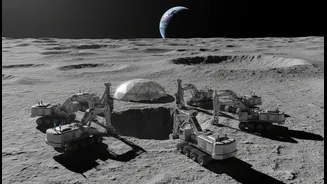


Beyond Flags and Footprints
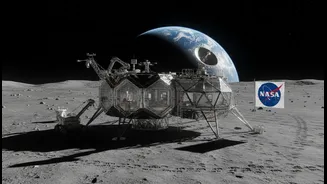
For over 50 years, the iconic images from the Apollo missions—flags, footprints, and short-term sorties—have defined our concept of lunar exploration. The primary goal was to get there and get back safely. The Artemis program, however, is designed for
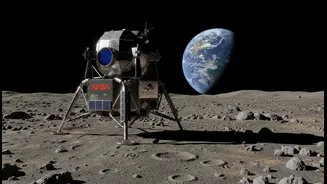
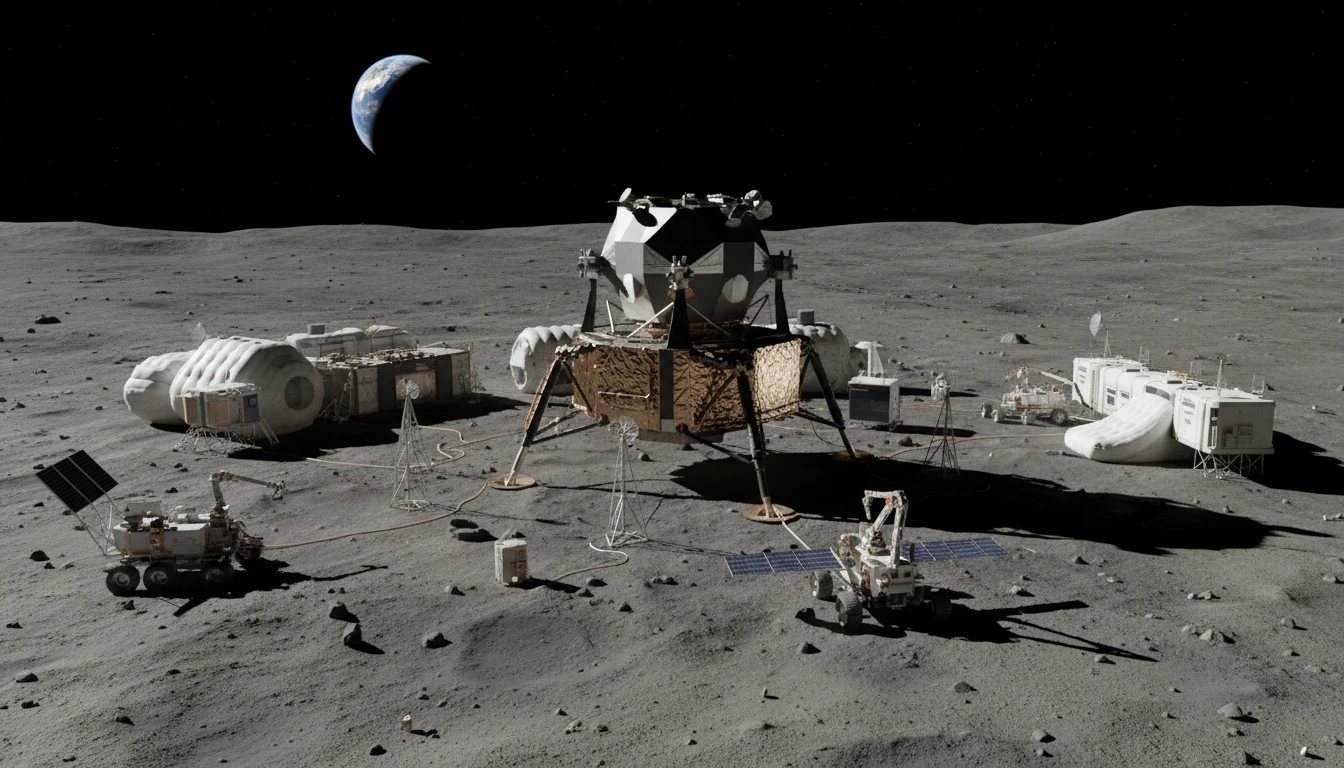
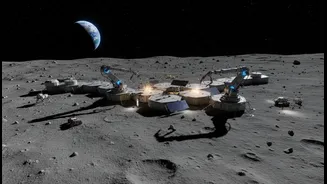
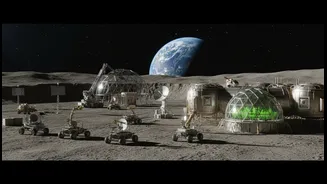
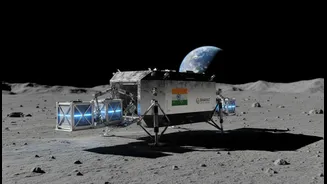
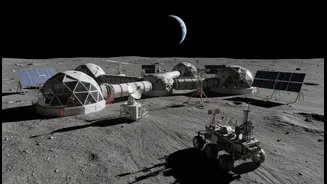
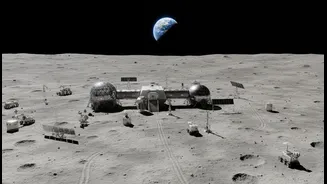
a new era. Instead of temporary expeditions, the objective is to create a sustained human presence on and around the Moon. This involves building a permanent base camp on the surface, allowing for long-duration stays and a continuous cycle of scientific research. The focus has moved from the sheer challenge of the journey to the practical utility of being there, transforming the Moon from a destination into a workshop.
A New Generation of Lunar Science
The scientific ambitions for a lunar base are vast and transformative. One of the top priorities is understanding and utilizing lunar resources, particularly the water ice confirmed to exist in permanently shadowed craters near the Moon's south pole. This ice is more than just a scientific curiosity; it can be processed into drinking water, breathable oxygen, and even rocket fuel, which is crucial for making long-term habitation sustainable. Beyond resource utilization, scientists plan to conduct advanced field geology, studying the Moon's 4.5-billion-year-old history which serves as a time capsule of the early solar system. Other key objectives include deploying telescopes on the lunar far side for unparalleled views of the universe and studying the effects of radiation and low gravity on human health.
The Moon as a Proving Ground for Mars
The bigger story behind the Moon base is that it's not just about the Moon; it's a critical stepping stone to Mars. Living and working on the Moon, which is only a few days away from Earth, allows NASA to test the technologies, systems, and procedures needed for a multi-year mission to the Red Planet. This includes validating life support systems, practicing long-duration surface operations in a dusty, partial-gravity environment, and developing new mobility systems like pressurized rovers. Every challenge solved on the lunar surface—from generating power with compact fission reactors to mitigating health risks—reduces the risks for the first astronauts who will travel to Mars. In essence, each lunar mission is a dress rehearsal for the much longer and more complex journey ahead.
Fostering a Commercial Lunar Economy
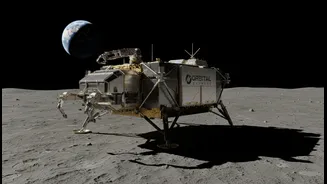
NASA is not building this new lunar future alone. A core part of its strategy is to foster a vibrant commercial space economy. Through its Commercial Lunar Payload Services (CLPS) initiative, NASA is hiring private American companies like Astrobotic, Intuitive Machines, and Firefly Aerospace to deliver scientific instruments and technology demonstrations to the Moon. This approach mirrors the successful commercial cargo and crew programs for the International Space Station, stimulating innovation and driving down costs. By acting as a customer rather than the sole operator, NASA is helping to create a new market for lunar transportation and services. This will eventually allow for a multi-faceted lunar ecosystem where science, exploration, and commerce coexist.