






The Global Headwinds Hitting Your Kitchen
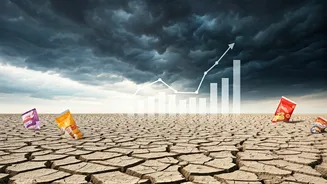
A major reason for the price bump on packaged goods comes from global pressures that ripple all the way to your local kirana store. Geopolitical tensions in the Middle East have led to higher crude oil prices. This doesn't just make petrol and diesel
more expensive; it increases the cost of almost everything. Transportation costs for moving raw materials to factories and finished products to stores have gone up. Furthermore, crude oil derivatives are essential for creating plastic packaging. With packaging costs rising, companies that make everything from chips to soaps are facing higher expenses before their products even leave the factory.
From the Field to the Factory
It's not just oil; the cost of key agricultural ingredients is also a significant factor. Prices for commodities like edible oils (such as palm oil), milk, and other staples have been volatile. Recent data from May 2026 showed that overall food inflation in India rose to 4.78%, contributing significantly to the headline retail inflation rate of 3.93%. While some vegetable prices have thankfully declined, the rising costs of other raw materials put immense pressure on Fast-Moving Consumer Goods (FMCG) companies. Faced with these increased input costs, manufacturers have to make a tough choice: absorb the loss or pass it on to consumers.
The Shrinking Snack: A Hidden Price Hike
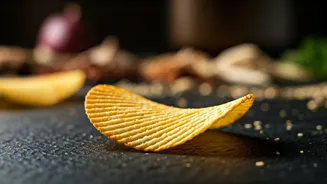
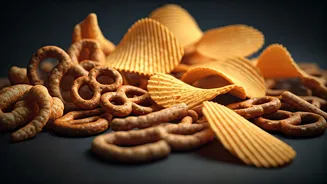
Instead of directly increasing the Maximum Retail Price (MRP), many companies are turning to a subtler strategy: shrinkflation. This is when the price of a product stays the same, but the quantity inside the package gets smaller. Your favourite ₹10 pack of biscuits or chips might look identical on the shelf, but it may contain fewer grams than it did a few months ago. Companies often use this tactic for popular, low-priced items because consumers are more sensitive to a direct price increase than a slight reduction in weight. Major players in the Indian market have acknowledged using grammage reduction to cope with inflation, which has reportedly been as high as 10% for some firms.
Which Aisles Are Most Affected?
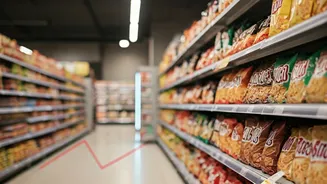
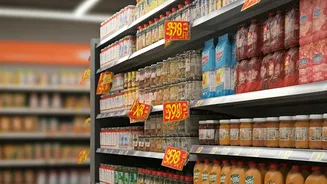
The price adjustments aren't uniform across the supermarket. Daily essentials like soaps, detergents, biscuits, packaged foods, and beverages are among the categories most likely to see price increases or quantity reductions. Some companies have already initiated price hikes ranging from 2% to 5%, with warnings of more to come if inflationary pressures continue. Specific items highlighted in recent reports as driving inflation include milk, refined oil, and chicken. This trend means that both the snacks aisle and the section for household staples are feeling the heat.
How to Shop Smarter Amid Rising Prices
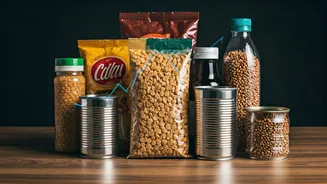
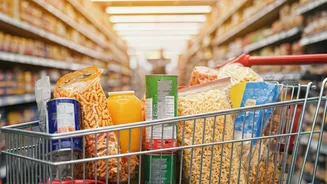
While you can't control global commodity markets, you can adopt smarter shopping habits to lessen the impact on your wallet. A tried-and-true strategy is to plan your meals for the week and create a strict shopping list to avoid impulse buys. Buying staples like rice and pulses in bulk can often lead to long-term savings. Another effective tip is to opt for seasonal fruits and vegetables, which are generally fresher and cheaper. When it comes to packaged goods, pay attention to the unit price (the cost per gram or per 100g) rather than just the sticker price. This helps you accurately compare value, especially when shrinkflation is at play. Finally, consider exploring local brands or store brands, which can offer similar quality at a more competitive price point.