


Fort Kochi History & The Athachamayam Procession
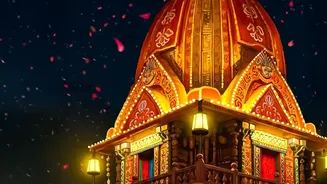
A trip to Kerala often begins in Kochi, and for good reason. The cobbled streets of Fort Kochi, the iconic Chinese Fishing Nets, and the centuries-old St. Francis Church are a must-see. But to kick off your Onam trip with a bang, start at Tripunithura,
on the outskirts of the city. This is where the festival officially begins with the Athachamayam, a grand procession that marks the start of the ten-day celebration. Historically, it was the march of the Maharaja of Kochi. Today, it’s a spectacular parade of caparisoned elephants, folk art troupes, musicians, and dancers, offering a vibrant snapshot of Kerala's rich cultural heritage in one place. It’s the perfect, high-energy start to your Onam journey. The main day for Onam in 2026, Thiruvonam, falls on August 26.
Alleppey's Backwaters & A Sacred Boat Race
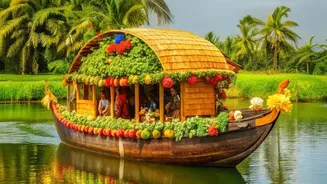
No Kerala itinerary is complete without a languid cruise through the backwaters of Alappuzha (Alleppey) on a traditional houseboat. While many boat races are commercial spectacles, for a more authentic and spiritual experience, head to Aranmula. The Aranmula Uthrittathi Vallamkali is not just a race but a ritual connected to the Aranmula Parthasarathy Temple. These snake boats, called Palliyodams, are considered divine vessels, and the event commemorates a legendary journey to provide a feast at the temple. The air is filled with Vanchipattu (boat songs) as dozens of massive boats row in perfect unison. It’s a powerful cultural display that connects you to the deep-rooted traditions of the region, far beyond a simple backwater tour. This race is typically held after Thiruvonam, making it a great event to plan for towards the end of the festival period.
Thrissur's Culture & The Wild Pulikali Dance
Known as the cultural capital of Kerala, Thrissur is home to revered temples like Vadakkumnathan. But during Onam, the city's streets transform for one of the festival's most unique and boisterous events: Pulikali, the tiger dance. On the fourth day of Onam, hundreds of performers, their bodies painstakingly painted in bright yellow, orange, and black to resemble tigers and leopards, take over Swaraj Round. Accompanied by the thunderous beat of percussion instruments, these 'tigers' dance, prowl, and shake their bellies in a procession that is both chaotic and utterly mesmerising. It’s a folk art form with a 200-year-old history, introduced to celebrate the festival with a wild, untamed spirit. Witnessing this raw energy is an unforgettable experience.
Munnar's Tea Gardens & A Homestay Onam Sadya
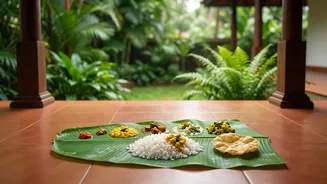
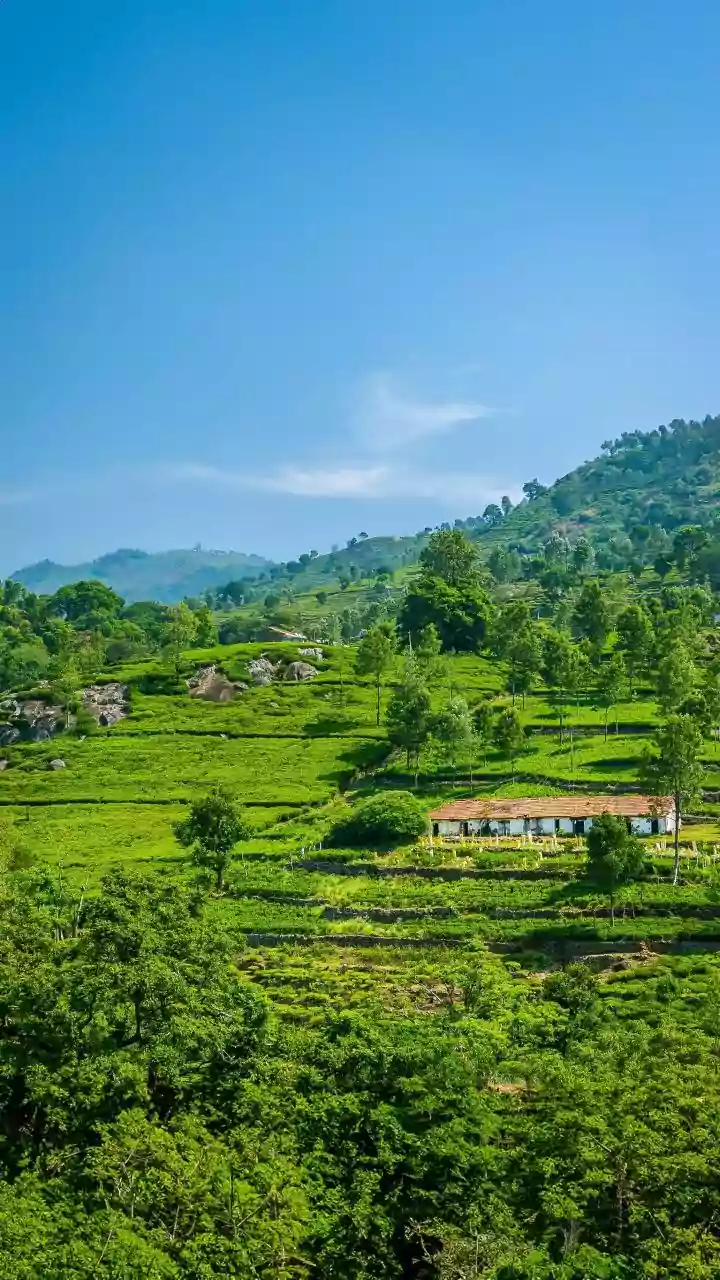
The rolling green hills and sprawling tea plantations of Munnar offer a serene escape. After exploring the tea estates and enjoying the cool mountain air, immerse yourself in the culinary heart of Onam by arranging an authentic Onam Sadya. This is the traditional vegetarian feast, and it's an elaborate affair featuring over 20 dishes served on a fresh banana leaf. While many restaurants offer it, the best experience is often found at a local homestay. Sharing this meal with a Keralite family allows you to understand the significance of each dish, from avial and sambar to the sweet payasam dessert. It’s an intimate and delicious way to connect with the local culture and the spirit of community and abundance that defines the festival.
Thrikkakara Temple & A Neighbourhood Pookalam
For a dive into the mythology of Onam, visit the Thrikkakara Vamanamoorthy Temple in Ernakulam, considered the epicentre of the festival as it's believed to be the capital of the legendary King Mahabali. The temple hosts grand celebrations on Thiruvonam, the main day of the festival. To complement this, take a walk through any residential neighbourhood in Kochi or a nearby village. Here, you'll see one of Onam's most beautiful traditions firsthand: the Pookalam. These intricate and colourful floral carpets are created at the entrance of homes to welcome the king. Each day of the festival, new layers of flowers are added, making the designs grow more complex. While you'll see large-scale Pookalams in public spaces, the simple beauty of a family creating one together captures the true essence of this welcoming tradition.