


The Science of a Soggy Meal
The secret to successful freezing lies in understanding what happens to food on a cellular level. Most foods contain a significant amount of water. When you freeze them, this water forms ice crystals. The slower the freezing process, the larger these
crystals become. Large ice crystals can puncture and rupture the food's cell walls. When the food thaws, the damaged cells can no longer hold their structure, causing water to leak out and resulting in that dreaded mushy texture. This is why an ingredient's composition, especially its water content, is the number one factor in its freezer suitability.
High-Water Content Ingredients to Avoid
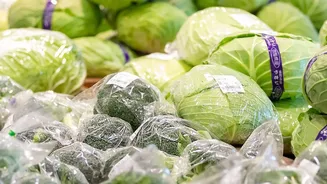
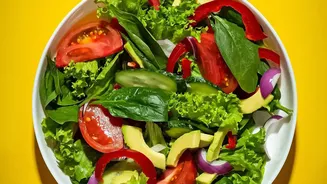
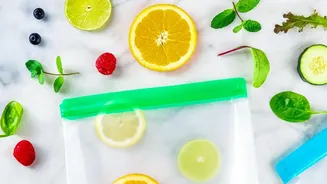
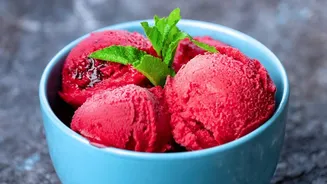
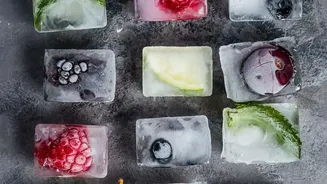
Foods with very high water content are the most likely to turn to mush after a trip to the freezer. Think of crisp, fresh produce. Vegetables like lettuce, cucumbers, radishes, and celery will lose their crunch and become limp and unappealing. Fruits such as watermelon, citrus, and grapes also suffer, becoming soft and losing their firm texture when thawed. While these items won't be good for eating raw in a salad, they aren't a total loss. Fruits that have been frozen can still be perfectly fine for blended applications like smoothies or cooked down into purées and jams, where texture is less important.
The Dairy Dilemma
Dairy products present a unique challenge. Items like yogurt, sour cream, and soft cheeses such as brie or cottage cheese tend to separate when frozen. The freezing process breaks their emulsion, which is the stable blend of fat and water. Upon thawing, you're often left with a grainy, curdled, or watery texture as the fat and whey split apart. Cream-based sauces are similarly risky. However, hard cheeses like parmesan or cheddar freeze much better, though they may become more crumbly. Milk-based sauces that have been stabilized with a thickening agent like a flour-and-butter roux or cornstarch stand a much better chance of surviving the freeze and reheating smoothly.
Vegetables That Welcome the Cold
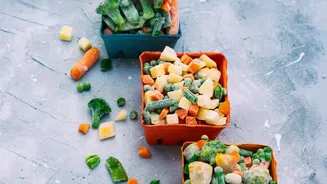
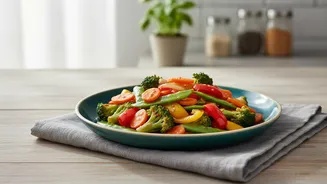
While some vegetables falter, many others are fantastic freezer candidates. Hardy vegetables like peas, corn, green beans, broccoli, and cauliflower all freeze exceptionally well. The key to success with these is often a quick process called blanching—partially cooking them in boiling water for a few minutes before immediately cooling them in an ice bath. Blanching stops enzyme activity that can cause deterioration in flavour, colour, and texture during storage. Hearty greens like spinach and kale also freeze beautifully after being blanched and thoroughly drained.
Smart Swaps for Freezer-Friendly Meals
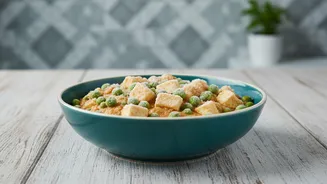
When planning meals for the freezer, a little foresight goes a long way. If you're making a soup or stew that you intend to freeze, consider your ingredients carefully. For instance, if a recipe calls for cream, you might hold off on adding it. Freeze the base of the soup, and then stir in the fresh cream when you reheat it. Alternatively, using full-fat coconut milk can be a more stable option for freezing. When it comes to casseroles, avoid freezing those with a raw potato topping, as raw potatoes can become grainy. Cooked potatoes, however, freeze much better. If a recipe includes delicate vegetables, it might be best to add them fresh during reheating to maintain their texture and flavour.