
The Quest for the Perfect Crust
Every beginner baker knows the feeling. You've followed the recipe, kneaded with all your might, and waited patiently for the dough to rise. The aroma filling your kitchen is promising, but when the timer finally goes off, the result is... underwhelming.
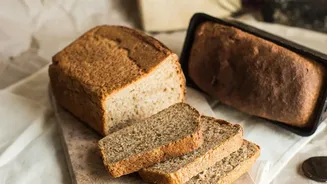
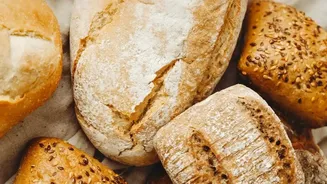
A good crumb is one thing, but a truly great loaf of bread delivers on all fronts: taste, texture, and that all-important visual appeal. A golden, inviting crust isn't just for show; it promises a satisfying crunch and a depth of flavour. For home bakers, achieving this artisan-style finish can seem like a complex art, but one of the simplest and most effective upgrades comes from a single, humble ingredient.
Meet Kalonji: The Seed of Blessing
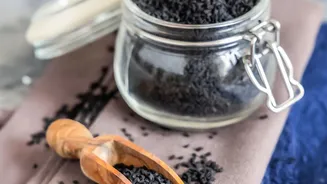
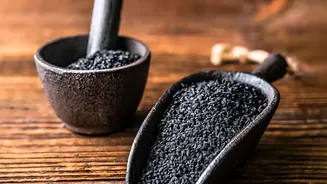
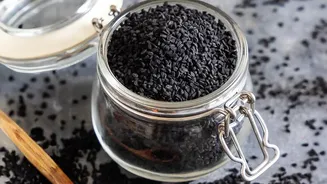
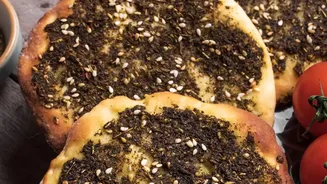
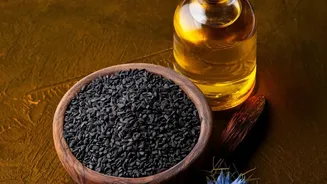
Enter nigella seeds, known more commonly in India as kalonji. These tiny, matte-black, angular seeds are a staple in Indian and Middle Eastern kitchens, famously sprinkled on top of naan bread and used in pickles and tempering (tadka). Though sometimes confusingly called 'black onion seeds' or 'black cumin', kalonji comes from the Nigella sativa plant and has its own unique flavour profile. When raw, the taste is sharp and slightly bitter, but when baked, it blossoms into a complex, toasty flavour with notes of onion, oregano, and black pepper. This aromatic quality is precisely what makes it a game-changer for simple breads.
How Kalonji Creates Instant Appeal
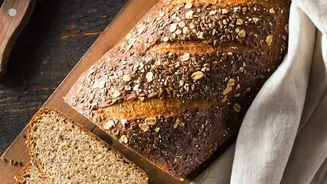
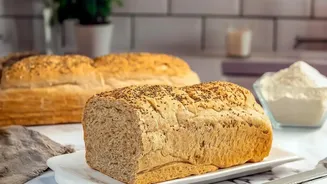
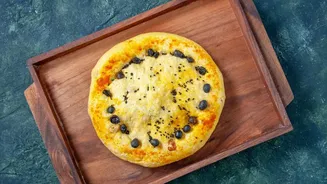
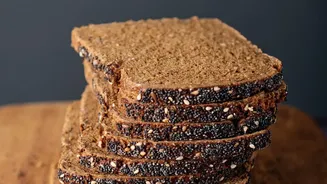
The magic of kalonji on bread crust is multi-sensory. First, there's the visual impact. The stark contrast of the jet-black seeds against a golden-brown crust immediately makes any loaf look more professional and enticing. Second is the texture. The seeds add a delicate, satisfying crunch that elevates the entire eating experience. Finally, and perhaps most importantly, is the aroma. As the bread bakes, the heat toasts the seeds, releasing their wonderfully savoury and peppery fragrance, infusing the crust with a layer of flavour that a plain loaf simply can't match. This simple addition turns a basic bake into something that tastes complex and thoughtfully made.
A Simple Guide to Applying the Seeds
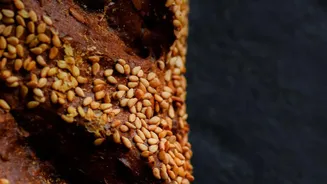
Adding kalonji to your bread is incredibly easy. The best time to do it is after the final proof, just before the loaf goes into the oven. For a good stick, you need a slightly damp surface. Lightly brushing the top of your dough with water or an egg wash (a beaten egg mixed with a splash of water) will do the trick. Once the surface is tacky, sprinkle the kalonji seeds generously over the top. You can gently press them into the dough with your palm to ensure they adhere during baking. This technique works for all kinds of bread, from simple white loaves and dinner rolls to more complex sourdoughs or homemade pitta and naan.
Pairing Flavours and Going Beyond the Crust
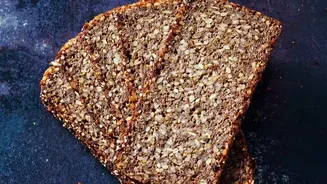
Kalonji’s savoury, onion-like notes pair beautifully with a wide range of breads and toppings. It's a natural fit for any savoury loaf, complementing flavours like garlic, cheese, and herbs. Try it on a simple loaf destined for sandwiches or toast with butter. The nutty, peppery quality also stands up well to the tangy flavour of sourdough. While its most dramatic effect is on the crust, don't hesitate to experiment by mixing the seeds directly into the dough. Incorporating about one to two teaspoons of kalonji into your flour at the start can infuse the entire loaf with a subtle, aromatic warmth, adding another layer of complexity to your baking adventures. Whether on top or mixed within, kalonji offers a high-impact, low-effort way to make your bread more memorable.