







The festive season brings with it the joy of dressing up, and for many, Diwali isn't complete without dramatic, beautiful eye makeup. But long hours of celebration and heavy makeup can sometimes lead to itchy, red, or uncomfortable eyes.
Why Festive Makeup Poses a Unique Risk
Diwali celebrations
often mean wearing makeup for extended periods, well into the night. Heavier application of products like kohl, eyeliner, and eyeshadow is common to achieve a dramatic look. However, this combination of long wear and heavy products can lead to issues. Makeup particles can migrate into the tear film, causing irritation or clogging the tiny oil glands along your eyelids. These glands are crucial for producing oils that keep your eyes lubricated; when they get blocked, it can lead to dryness, styes, and significant discomfort.
The Golden Rule: Never Share Eye Makeup
In the whirlwind of getting ready with family and friends, it can be tempting to borrow an eyeliner or a tube of mascara. However, sharing eye makeup is one of the fastest ways to spread harmful bacteria and viruses. Conditions like conjunctivitis, commonly known as pink eye, are highly contagious and can be easily transferred through shared cosmetics. Every time a mascara wand or eyeliner pencil touches someone's skin or lashes, it picks up their unique bacteria. Sharing that tool means you are introducing foreign microbes directly to the delicate eye area, creating a high risk of infection.
Check the Clock: Makeup Expiration Dates
Like food, makeup has a shelf life, and using it past its prime is a recipe for trouble. Bacteria thrive in dark, moist environments, making liquid and cream-based eye products like mascara and liquid eyeliner particularly high-risk. Preservatives in these products break down over time, allowing bacteria to multiply. As a general rule, you should replace your mascara and liquid eyeliner every three months. Pencil eyeliners can last longer, about a year, especially if you sharpen them before each use to remove the exposed layer. Powder eyeshadows are the most durable, lasting up to two years, but if you notice any change in texture or smell, it's time to toss it.
The Trouble with Glitter and Traditional Kajal
Glitter eyeshadow adds a festive sparkle, but it comes with its own set of risks. The tiny particles, especially in craft-grade glitter, can have sharp edges that can scratch the cornea if they fall into your eye, causing pain and potential infection. Always opt for cosmetic-grade glitter specifically designed for use around the eyes. Similarly, while traditional kajal or surma is a cultural staple, some unverified formulas have been found to contain high levels of lead, which can be toxic. For safety, choose products from reputable brands that are ophthalmologist-tested and avoid applying any liner directly on the waterline—the inner rim of the eyelid—as this can block essential oil glands.
Smart Application for Comfortable Eyes
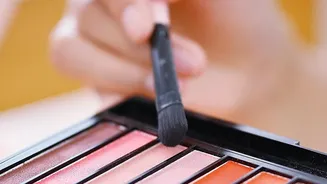
Good hygiene starts before you even pick up a brush. Always wash your hands before applying makeup to avoid transferring germs to your face. Use clean brushes and applicators for your products. When applying liner, stick to the area just outside your lash line to protect the delicate glands on the waterline. If you wear contact lenses, put them in before you start your makeup to prevent trapping any product underneath the lens. Following these simple steps can significantly reduce the chances of irritation.
The Most Crucial Step: Thorough Removal
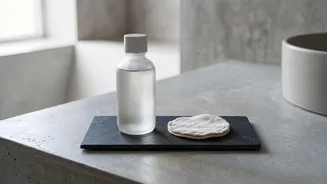
No matter how tired you are after the festivities, never go to sleep with your eye makeup on. Leftover makeup can cause significant irritation, inflammation of the eyelids (blepharitis), and blocked glands. Use a dedicated eye makeup remover that can break down stubborn products without requiring harsh rubbing. A dualphase remover with oil and water components is often effective. Soak a cotton pad and hold it over your closed eye for a few seconds to dissolve the makeup before gently wiping it away. This gentle approach protects the delicate skin around your eyes and ensures every last trace is gone.