




The Silent Problem in Our Kitchens
Iron deficiency is one of India's most widespread public health challenges, often called a 'silent epidemic'. It affects people across all age groups, leading to fatigue, weakness, poor concentration, and in severe cases, anaemia. While our diets are
rich in flavour, they can sometimes fall short on this crucial mineral. Women and children are particularly vulnerable. Many of us rely on lentils (dal) as a primary source of protein and nutrients, but when it comes to iron, there’s a simple way to make this humble staple work much, much harder for our health.
Moringa: The Overlooked Superfood
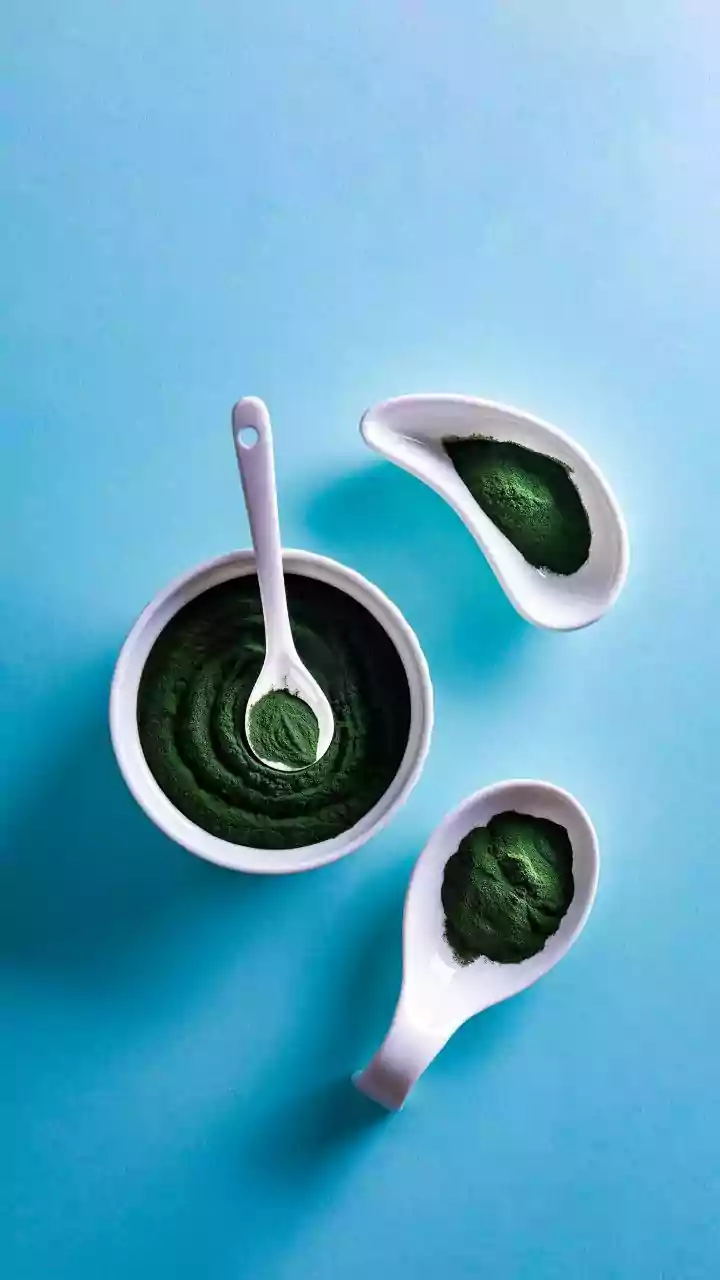
Moringa, known locally as ‘sahjan’ or the drumstick tree, is nothing short of a nutritional marvel. Its leaves are packed with vitamins, minerals, and antioxidants. For centuries, it has been a part of traditional Indian medicine and cuisine, but its true potential is often overlooked in modern urban kitchens. When it comes to iron, moringa is a powerhouse. Dried moringa leaf powder can contain significantly more iron per gram than spinach. By incorporating this easily available and inexpensive ingredient into our diets, we can tap into a potent, natural source of iron that has been growing in our backyards all along.
The Lentil and Iron Paradox
Lentils are undeniably healthy and a good source of plant-based iron. However, the iron found in plant foods (non-heme iron) is not as easily absorbed by the body as the iron from animal sources (heme iron). Furthermore, lentils contain compounds called phytates, which can slightly inhibit the absorption of minerals like iron. So, while a bowl of dal provides a good foundation, it might not be delivering as much usable iron as you think. This is where the simple act of adding moringa changes the entire nutritional equation. You aren't just adding one ingredient to another; you are strategically fortifying your meal.
Creating a Powerful Synergy
Combining moringa with lentils is a brilliant strategy for two reasons. Firstly, you are dramatically increasing the total amount of iron in the dish. A single tablespoon of moringa powder can add a substantial iron boost to an entire pot of dal. Secondly, you can easily enhance the absorption of all this non-heme iron. The secret is Vitamin C. By simply adding a squeeze of lemon juice to your dal before serving, or by ensuring your dal has a base of tomatoes (which are rich in Vitamin C), you help your body absorb much more of the iron from both the lentils and the moringa. This combination creates a powerful synergy, turning your daily dal from a simple comfort food into a functional meal designed to fight iron deficiency.
How to Easily Add Moringa to Dal
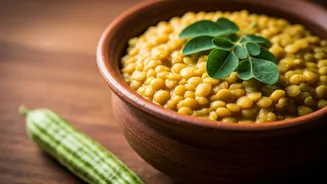
Incorporating moringa is incredibly simple and doesn't require you to change your favourite dal recipe. Here’s how: 1. **Using Moringa Powder:** This is the easiest method. For a standard family-sized pot of dal (serving 4-5 people), stir in 1 to 2 tablespoons of moringa powder in the last 5-7 minutes of cooking. Adding it too early can diminish some of its nutrients and may impart a slightly more bitter taste. Stirring it in towards the end ensures it mixes well without altering the dal’s fundamental flavour. 2. **Using Fresh Moringa Leaves:** If you have access to fresh leaves, wash them thoroughly and remove them from the stems. You can either chop them finely and add them along with your tadka (tempering) or stir them into the dal about 10-12 minutes before you finish cooking, allowing them enough time to wilt and become tender. Remember to finish with a squeeze of lime or lemon juice right before serving to maximize iron absorption. The taste is subtly earthy and blends beautifully with the spices of a typical Indian dal.