
The New Kitchen Reality
The return to busy, post-pandemic schedules has created a modern dilemma. While many people rediscovered the joy of cooking at home, maintaining that habit alongside commutes and packed calendars is a challenge. Dual-income households are now common,
meaning cooking can no longer be a three-hour daily affair. This has sparked a significant shift in priorities. Recent surveys show that for the first time, convenience is valued almost as highly as healthfulness when it comes to food decisions. It’s not that health has become less important; rather, consumers are demanding solutions that deliver both. This has opened the door for a new philosophy: healthy eating must be effortless and fit into real life, not the other way around.
Redefining 'Healthy' for Modern Life
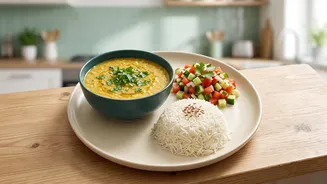
The very definition of “healthy” is also expanding. The focus is moving away from simply counting calories and towards nutrient density, whole ingredients, and a more holistic sense of well-being. In India, this shift includes a renewed appreciation for traditional, minimally processed staples like millets and cold-pressed oils. People are asking more questions about where their food comes from and how it's made. This conscious approach isn’t about rejecting convenience entirely but about making smarter choices. A healthy meal is no longer one that took hours to prepare, but one that is made with quality ingredients, provides balanced nutrition, and, crucially, doesn’t add stress to an already busy day.
A Toolkit for Speed and Wellness
This new demand for fast and healthy food is being met by a wave of innovation. Air fryers have surged in popularity, offering a way to get crispy textures with a fraction of the oil used in deep-frying. Along with multi-cookers like the Instant Pot, these appliances are designed to drastically cut down cooking times. For many, air fryers are seen as more convenient and user-friendly, heating up faster and allowing for quick checks during cooking. At the same time, meal kit delivery services have evolved. They are no longer just about convenience but also offer customisation for different dietary needs, helping users manage portions and try new, healthy recipes without the stress of planning and shopping. Many users find these kits to be a healthier alternative to takeout.
Time as the Ultimate Luxury
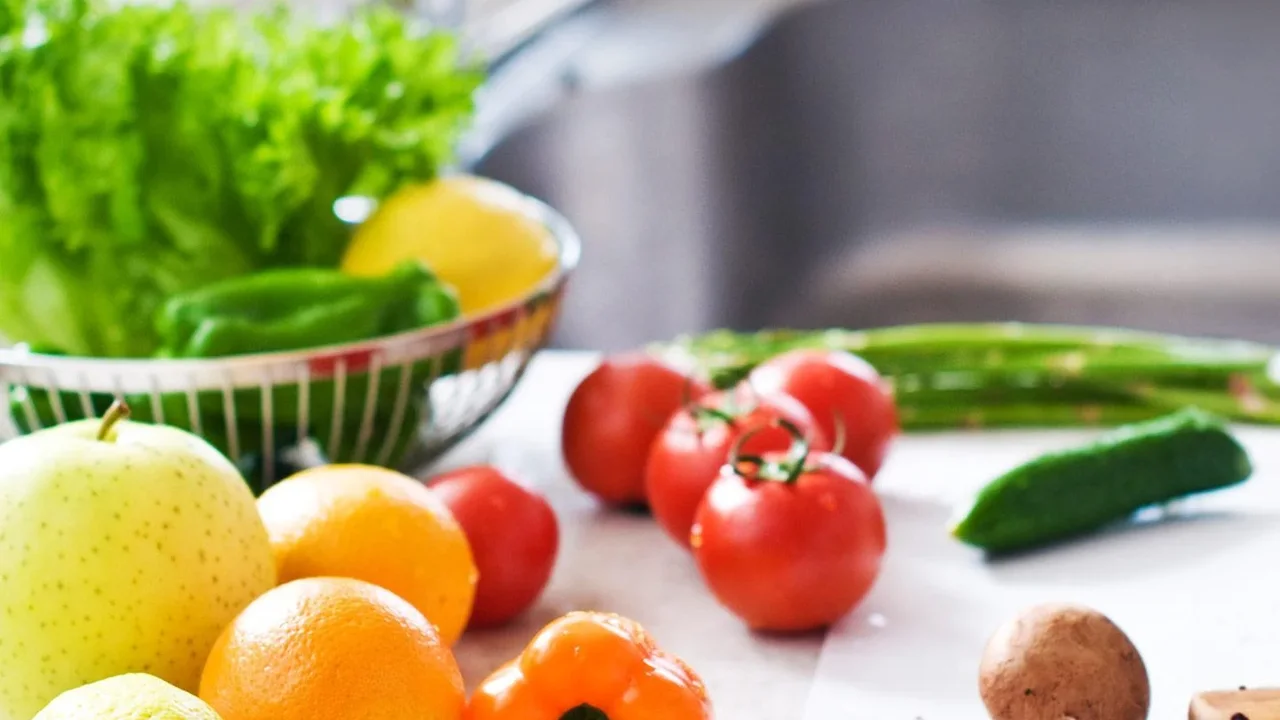
At its core, this trend is about recognising that time is a precious resource. In our fast-paced society, finding an hour or more for daily cooking can feel like a luxury many can't afford. Faster meal preparation, therefore, is not a sign of laziness but an efficient strategy for self-care. It frees up mental energy and reduces the stress of last-minute meal decisions. Meal prepping, whether it’s batch-cooking grains for the week or simply washing and chopping vegetables in advance, is a key part of this approach. It provides structure and makes healthy choices the easiest choices, especially when you’re tired and hungry. By planning ahead, you take control of your ingredients, portions, and ultimately, your health goals.
From Complex Recipes to Smart Techniques
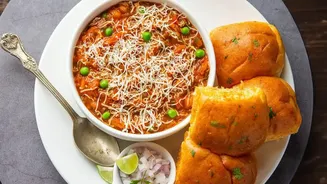
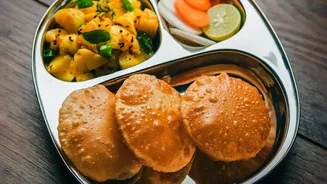
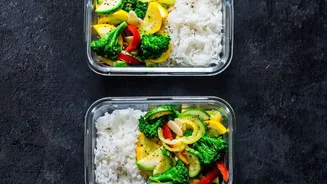
The conversation is also shifting from mastering complex, multi-step recipes to adopting simpler, more flexible techniques. The rise of one-pan dinners, 30-minute meals, and the use of pre-prepped ingredients reflects a desire for delicious food without the fuss. Home cooks are learning to “flavor bomb” simple dishes with high-impact sauces, spice blends, and fresh herbs, proving that fast doesn't have to mean bland. In India, there's a growing trend of giving traditional comfort foods a healthier, quicker twist, like air-fried samosas or baked pakoras. This blend of tradition and modern technique allows people to enjoy familiar flavors in a way that aligns with a contemporary, health-conscious lifestyle. It's about working smarter, not harder, in the kitchen.