
Winter transforms the world, turning familiar landscapes into quiet, glittering wonderlands. Nowhere is this magic more apparent than at the world's great lakes, where water becomes a solid canvas for nature's most spectacular frozen art.
Abraham Lake, Canada
Located in Alberta,
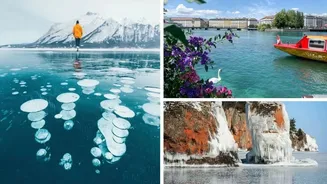
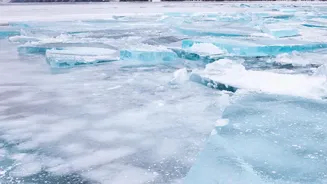
Abraham Lake is famous for a unique and mesmerising phenomenon: frozen methane bubbles. As bacteria on the lakebed decompose organic matter, they release methane gas, which freezes in stacks as it rises to the surface. This process creates columns of white discs trapped in the crystal-clear ice, making it look like a frozen gallery of abstract sculptures. The area is also notoriously windy, which often sweeps the ice clean of snow, providing a perfect window to see the bubbles. The best time to witness this spectacle is typically from mid-January to early February when the ice is thick and clear. For safety, it is highly recommended to visit with a guided tour, as local experts know the safest spots and can provide essential gear like ice cleats.
Lake Baikal, Russia
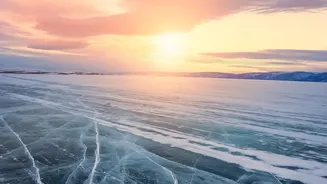
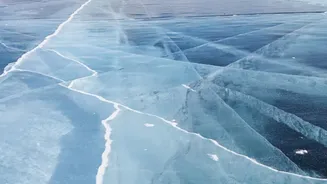
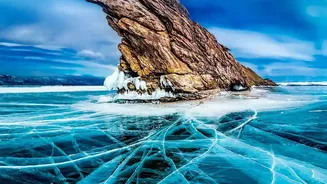
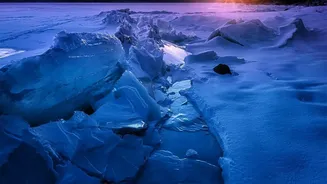
As the world's oldest and deepest lake, Lake Baikal in Siberia becomes a true natural marvel in winter. It is renowned for its extraordinarily transparent ice, which can be up to 1.5 metres thick, allowing you to see metres down into the dark blue water below. The ice season begins in late January and lasts until mid-April, with February and March being the prime months for visitors. The frozen surface is so solid that it's used as a temporary road for vehicles. Adventure activities are plentiful, including dog sledding, snowmobile tours, and ice fishing. For a truly unique experience, you can even take a hovercraft tour to explore remote ice formations and caves.
Lake Louise, Canada
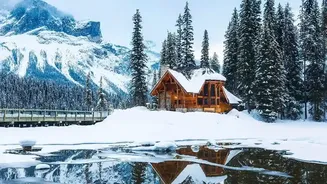
Set against the stunning backdrop of the Victoria Glacier in Banff National Park, Lake Louise is iconic in summer for its turquoise water, but it's arguably even more magical in winter. The lake freezes over to become what is often called the world's most scenic ice-skating rink, meticulously maintained by the Fairmont Chateau Lake Louise. Beyond skating, visitors can enjoy a wealth of winter activities, including snowshoeing, cross-country skiing, and even ice climbing on frozen waterfalls. Each year, the lake hosts ice festivals, where artists create incredible sculptures on the shore, adding to the fairytale atmosphere. For a spectacular view, you can ride the sightseeing gondola at the nearby ski resort.
Jökulsárlón, Iceland
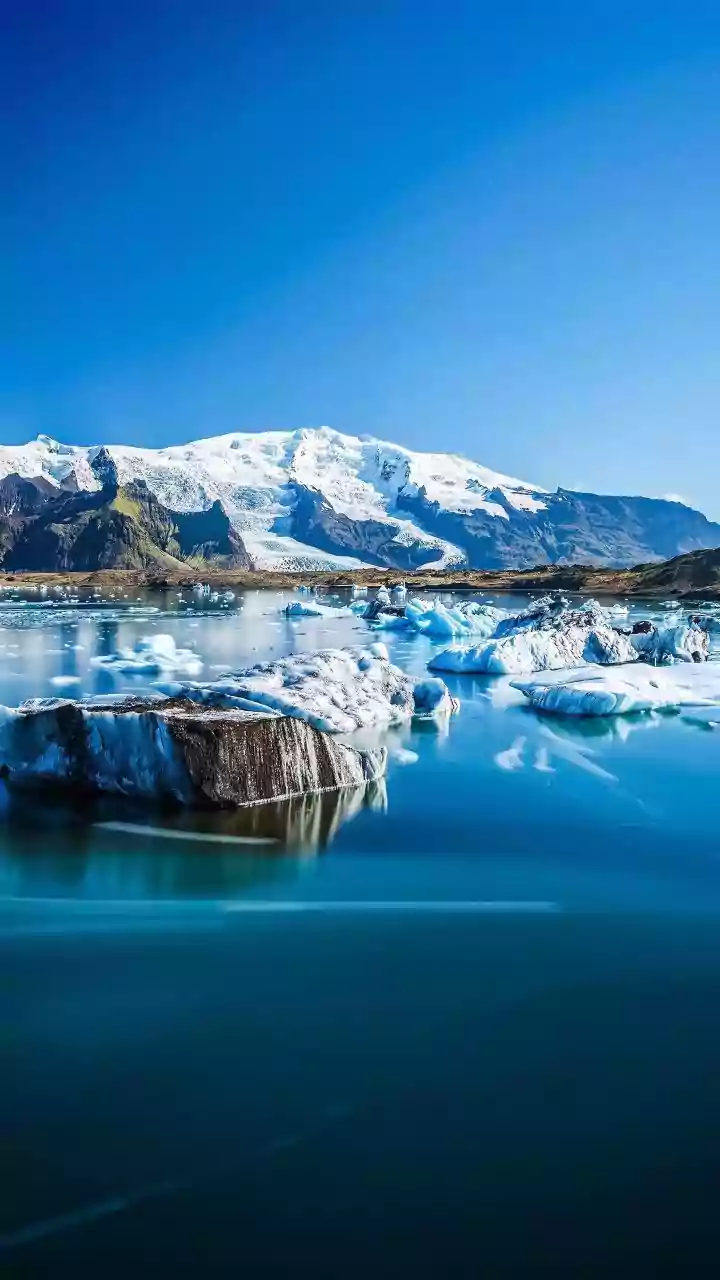
Jökulsárlón is not a typical lake but a glacial lagoon on Iceland's south coast, and it offers an otherworldly winter scene. Here, massive icebergs that have broken off from the Breiðamerkurjökull glacier float in the deep water before drifting out to sea. These icebergs come in shades of white, brilliant blue, and even black from volcanic ash. While the lagoon rarely freezes completely due to its depth and connection to the ocean, the surrounding landscape is a snowy wonderland. A major highlight of visiting in winter is the chance to explore natural ice caves in the nearby glacier, a truly unforgettable experience. The adjacent black sand beach, known as Diamond Beach, is where smaller ice chunks wash ashore, glittering like jewels.
Pangong Tso, Ladakh, India
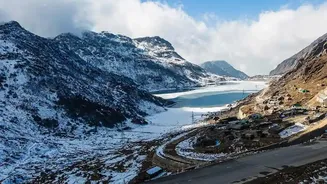
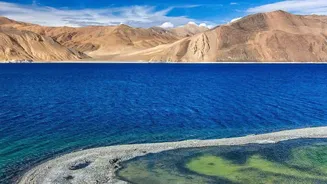
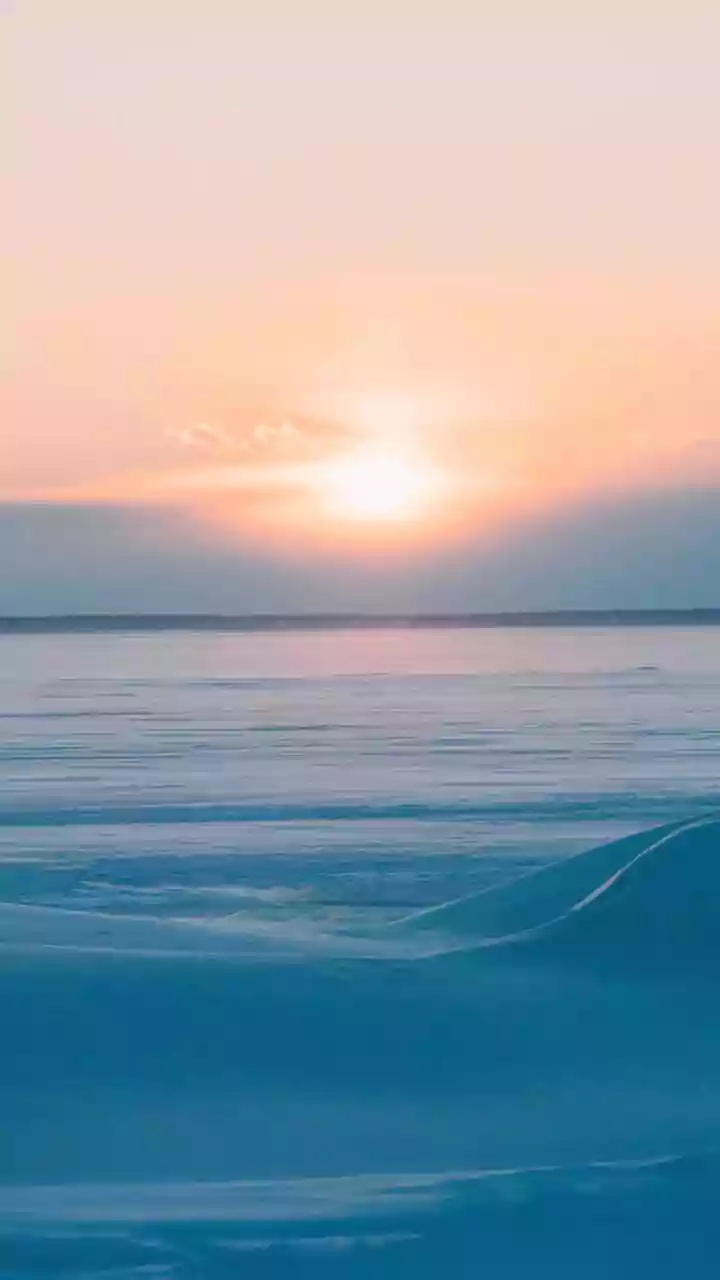
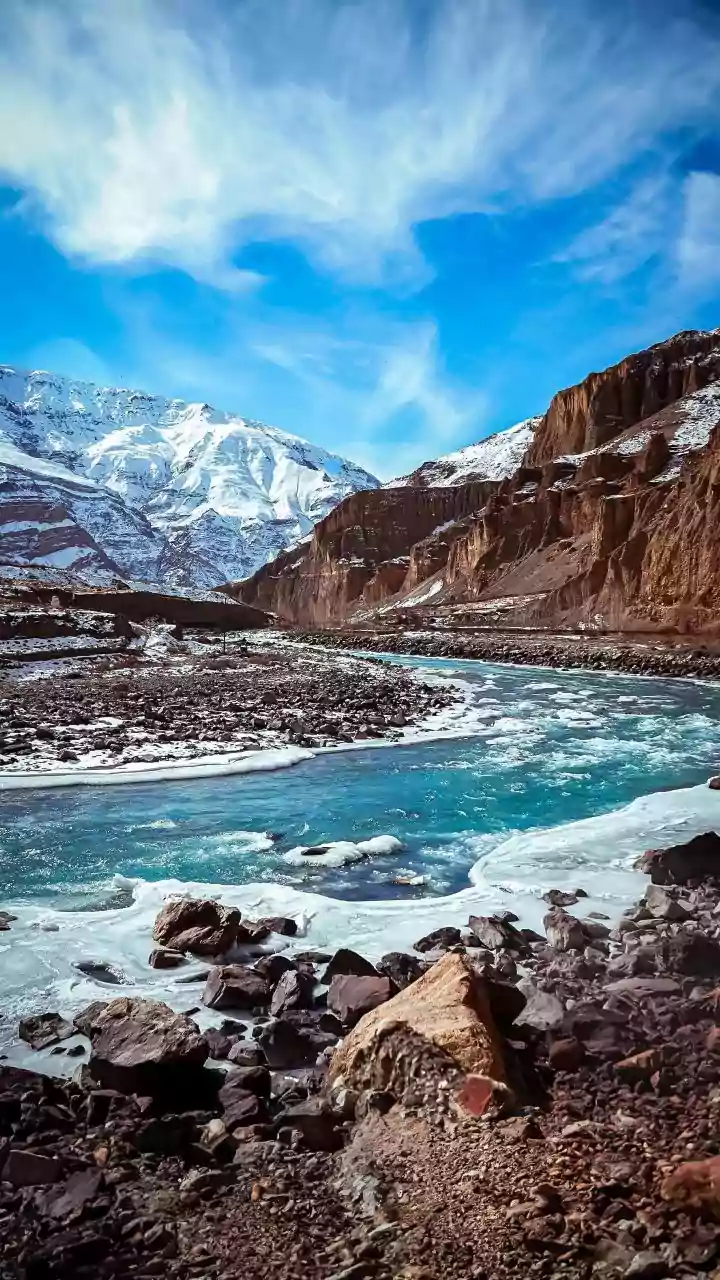
For a breathtaking winter experience closer to home, Pangong Tso in Ladakh is unparalleled. Situated at an altitude of over 4,200 metres, this high-altitude saltwater lake completely freezes over in the harsh winter months, turning into a vast, glistening sheet of ice. The journey to the lake in winter is an adventure in itself, with snow-covered roads and passes. The reward is a scene of absolute serenity, surrounded by the stark, snow-capped peaks of the Himalayas. Despite its saline nature, the lake freezes solid, a testament to the extreme cold, with temperatures often dropping well below -25°C. Once a secluded gem, it gained fame after appearing in the film '3 Idiots' and is now a must-visit for adventurous travellers seeking solitude and spectacular landscapes.
Lake Bled, Slovenia
Lake Bled, with its storybook church on an island and a medieval castle perched on a cliff, is enchanting year-round but takes on a special charm in winter. The surrounding Julian Alps are blanketed in snow, creating a peaceful, picture-perfect scene. Visitors can walk the 6-kilometre path around the lake, which is regularly cleared of snow. While the lake itself rarely freezes completely enough for skating, traditional 'pletna' boats still ferry visitors to Bled Island. Bled Castle remains open, offering stunning views from its terraces. For those seeking more active pursuits, the area offers opportunities for winter hiking, snowshoeing, and skiing at nearby resorts.