




A New Source of Trust
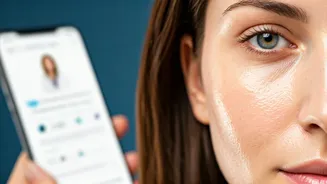
For decades, skincare advice came from glossy magazines or brand advertisements. Today, the landscape is different. The rise of social media dermatologists—often called 'dermfluencers'—stems from a growing demand for authentic, science-backed information.
In a market saturated with products and conflicting marketing claims, these medical professionals offer a voice of authority. They have become trusted sources by simplifying complex skin health concepts and advocating for preventive care, like using sunscreen. This shift democratizes access to expert knowledge, which was previously locked behind the high cost and long wait times of in-person consultations.
Cutting Through the Clutter
The beauty industry can be overwhelming. With an endless stream of new products and 10-step routines, consumers often feel confused. Social media dermatologists have found success by cutting through this noise. They create bite-sized, educational content that debunks harmful myths (like using lemon juice on your face) and explains the science behind ingredients. Many see their role as curators of good information, providing a much-needed fact-check in a space where misinformation can spread rapidly. This educational approach empowers consumers to make more informed decisions about the products they buy and the routines they follow.
Setting and Shaping Trends
Dermfluencers don't just comment on trends; they increasingly create and amplify them. Concepts like 'skin cycling'—a term popularized by New York dermatologist Dr. Whitney Bowe—'slugging,' and 'skin streaming' (a minimalist approach) have all gained massive traction thanks to dermatologists on social media. They have also been instrumental in raising awareness about the importance of a healthy skin barrier and promoting consistent use of fundamental products like cleansers, moisturizers, and sunscreen. By explaining the 'why' behind these trends, they help consumers move from simply copying routines to understanding their skin's needs.
The Business of Influence
With large followings comes financial opportunity, which introduces a layer of complexity. Many social media dermatologists collaborate with brands, earning significant fees for sponsored posts. This has led to a debate about the line between education and advertisement. While these partnerships can highlight genuinely effective and affordable products, they also raise concerns about whether the advice is biased. The most transparent dermfluencers are clear about their partnerships, but it falls on the consumer to remain discerning. The high value placed on these endorsements is a testament to their influence; a dermatologist's stamp of approval lends a level of scientific credibility that brands are eager to leverage.
A Smart Consumer's Guide
While social media dermatologists offer a wealth of knowledge, their advice is general and not a substitute for personalized medical care. Skin is highly individual, and a product that works for an influencer may not work for you. Experts caution against blindly following viral trends, some of which can cause irritation or damage if not suited to your skin type. To be a smart consumer, it's wise to check that the influencer is a board-certified dermatologist. Be skeptical of anyone promising a 'miracle cure,' and remember that social media is a starting point for education, not a replacement for a one-on-one consultation with a doctor who understands your specific skin history and needs.