



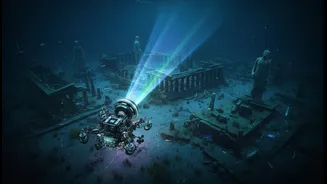


Seeing Beneath the Seafloor
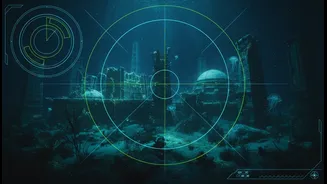
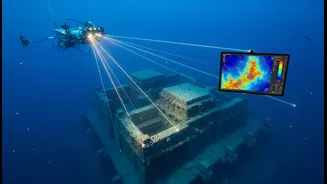
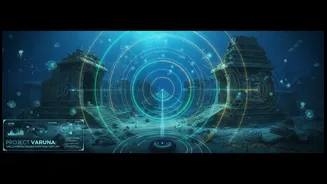
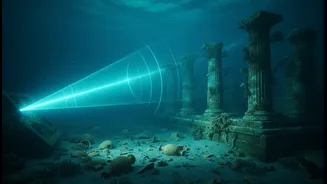
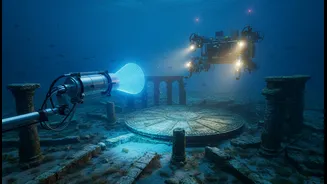
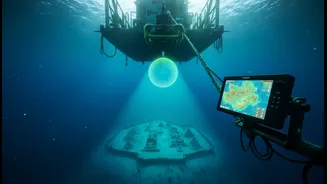
The key to this new wave of exploration is sophisticated sonar technology. Teams from institutions like the National Institute of Ocean Technology (NIOT) are using equipment such as multibeam echosounders and sub-bottom profilers. Think of it as a high-tech
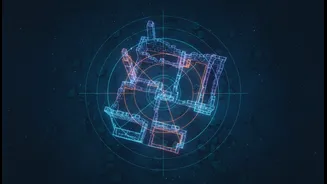
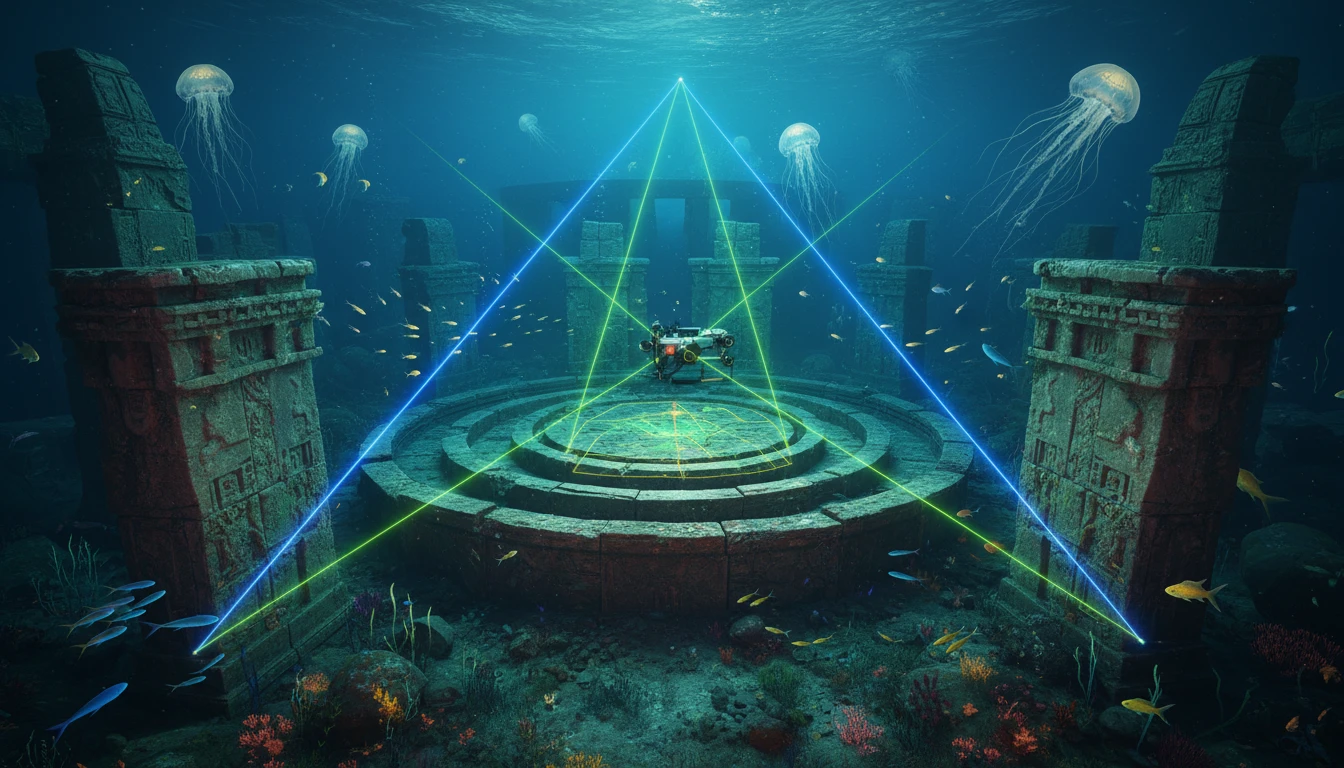
ultrasound for the ocean floor. The multibeam echosounder creates a detailed 3D map of the seabed's surface, revealing any unusual shapes or structures. The sub-bottom profiler goes a step further, sending sound waves that penetrate the sand and sediment to map features buried below. This allows scientists to spot potential man-made structures, like walls or foundations, that are completely invisible from the surface. In later stages, remotely operated vehicles (ROVs) equipped with high-resolution cameras can be sent down for a closer look, acting as the archaeologists' eyes in the deep.
The Legendary Port of Poompuhar
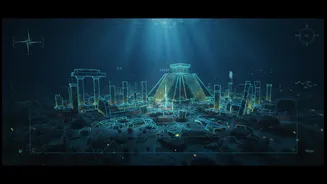
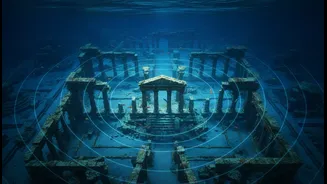
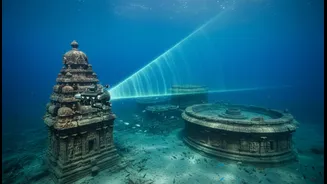
Much of the current focus is on the legendary port city of Poompuhar, also known as Kaveripoompattinam. Mentioned extensively in ancient Sangam literature like 'Silappatikaram' and 'Manimekalai', it was the flourishing capital of the Early Chola kings and a major hub for maritime trade. For centuries, it was believed to have been lost to the sea, a story confirmed in part by earlier explorations that found submerged structures. These new surveys are mapping a vast area, hoping to uncover the true scale of this ancient metropolis. Previous studies have already identified compelling, regular patterns that suggest a large, well-planned city, potentially including a massive harbour and dockyards.
What Have They Found?
While data from the most recent surveys is still being analyzed, past explorations in the region have yielded fascinating results. Scientists have identified large, U-shaped and oval structures at depths of around 23 metres, which are believed to be man-made. Airlifting operations, a kind of underwater vacuuming, have brought up brickbats, dressed stone blocks, and pieces of early historic pottery from beneath the seabed. Explorations in the 1980s and 90s, led by the renowned archaeologist S.R. Rao, first brought these submerged ruins to light. The current projects, a collaboration between the Tamil Nadu State Department of Archaeology (TNSDA), NIOT, and the Indian Maritime University, are retracing these steps with far more advanced tools, hoping to confirm the nature of these structures and discover new ones.
Rewriting Ancient Timelines
The implications of this research are immense. Some studies, comparing the depth of the submerged structures with historical sea-level data, have controversially suggested that the earliest settlements at Poompuhar could be as old as 15,000 years. If confirmed, this would dramatically push back the timeline for urbanisation and maritime activity in ancient India, predating even the Harappan civilisation. However, most researchers are focused on the well-documented Sangam period (roughly 3rd century BCE to 3rd century CE). Confirming the existence of a sprawling port city with a complex harbour would provide concrete proof of the advanced engineering and trade capabilities described in ancient Tamil texts, moving them from the realm of literature into historical fact.