






The Ultimate One-Pot Wonder
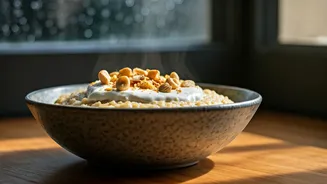
Khichdi is more than just a simple mix of rice and lentils; it's a cornerstone of Indian home cooking, celebrated for its nourishing and restorative qualities. Often the first solid food for babies and the go-to meal during recovery, its power lies in its simplicity.
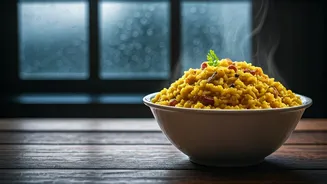
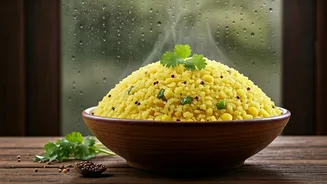
But a simple dish doesn't have to be bland. This Masala Khichdi elevates the humble classic into a flavourful, satisfying meal that comes together in one pot, saving you time and effort on cleanup. It’s vegetarian, easily made vegan, gluten-free, and endlessly adaptable, making it the one recipe that truly fits almost any dietary need or pantry situation. It's the food our mothers and grandmothers made for us, and its magic remains potent.
Gather Your Ingredients
This recipe serves 2-3 people and relies on common pantry staples. The beauty of Khichdi is its flexibility, so feel free to make substitutions based on what you have.
For the Khichdi:
* ½ cup Basmati rice, rinsed
* ½ cup Moong Dal (split yellow lentils), rinsed
* 1 medium onion, finely chopped
* 1 medium tomato, finely chopped
* 1 teaspoon ginger-garlic paste
* 1-2 green chillies, slit (optional)
* ½ cup mixed vegetables (carrots, peas, beans), chopped (optional)
* ¼ teaspoon turmeric powder (haldi)
* ½ teaspoon red chilli powder (adjust to taste)
* 4 cups water
* Salt to taste
* 2 tablespoons ghee or oil
For the Tadka (Tempering):
* 1 tablespoon ghee
* ½ teaspoon cumin seeds (jeera)
* A pinch of asafoetida (hing)
* 1-2 dried red chillies
* A few curry leaves (optional)
Step-by-Step to Perfection
We'll be using a pressure cooker for speed and convenience, but this can also be made in a deep pot—just add more water and increase the cooking time until the rice and dal are soft.
1. Prep Work: Rinse the rice and moong dal together until the water runs clear. Let them soak for about 15-20 minutes while you chop your vegetables.
2. Sauté the Base: Heat 2 tablespoons of ghee or oil in a pressure cooker over medium heat. Add the chopped onions and sauté until they turn soft and translucent.
3. Build the Flavour: Add the ginger-garlic paste and green chillies. Sauté for another minute until the raw smell disappears. Add the chopped tomatoes and cook until they become soft and pulpy.
4. Add Spices and Veggies: Stir in the turmeric powder and red chilli powder. If you're using mixed vegetables, add them now and sauté for 2-3 minutes.
5. Combine and Cook: Drain the soaked rice and dal and add them to the cooker. Stir gently for a minute to coat them with the masala. Pour in 4 cups of water and add salt. Give it a good mix.
6. Pressure Cook: Secure the lid of the pressure cooker. Cook on high heat for 4-5 whistles. After the whistles, turn off the heat and let the pressure release naturally. This is key for a creamy texture.
The Finishing Touch: A Sizzling Tadka
The tadka, or tempering, is what adds that final layer of aroma and flavour that makes the Khichdi irresistible. Don't skip this step!
1. Once the pressure has released, open the cooker. Your khichdi should be soft and creamy. If it looks too thick, add a little hot water and mix to get your desired consistency.
2. In a small pan (a tadka pan is ideal), heat 1 tablespoon of ghee on medium heat. Once hot, add the cumin seeds. When they start to sizzle and splutter, add the asafoetida, dried red chillies, and curry leaves (if using).
3. Be quick! As soon as the chillies darken slightly (about 10-15 seconds), pour this sizzling tadka all over the khichdi in the cooker.
4. Immediately cover the cooker with its lid for a minute to trap the aroma. After a minute, open and stir gently. Your Masala Khichdi is ready.
Serving and Customising Your Khichdi
The best part about Khichdi is how you can dress it up. Serve it hot with a dollop of extra ghee on top. Traditional accompaniments include a side of plain yogurt (dahi), a crunchy papad, and a spoonful of your favourite pickle (achaar). A simple kachumber salad (chopped onion, tomato, cucumber) also pairs beautifully.
To make it richer: Use more ghee or add a tablespoon of cream at the end.
For extra protein: You can use a mix of dals, like toor (arhar) dal or masoor dal along with the moong dal.
Garnish ideas: Freshly chopped coriander leaves add a burst of freshness.