

Understanding the Elements of Richness
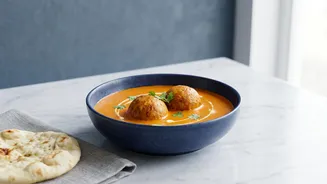
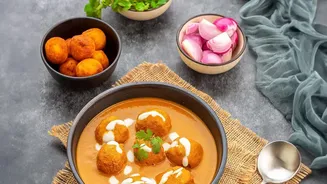
Malai Kofta, which translates to 'cream dumplings', gets its indulgent reputation from a few key components. The richness isn't just from a heavy hand with cream; it's a carefully built symphony of ingredients. The koftas themselves are traditionally
made from paneer and potato, often enriched with khoya (milk solids) and nuts. These are typically deep-fried, adding to the calorie count. The gravy is where the most significant variation lies. It builds its velvety base from a blend of onions, tomatoes, and, crucially, cashews, which create a smooth, creamy texture without relying solely on dairy. The final richness comes from finishing the gravy with butter, ghee, and malai (cream). Understanding these levers is the first step to customizing the dish to your preference.
Crafting the Perfect Kofta
The heart of the dish is the kofta. For a melt-in-the-mouth texture, a good ratio is key. Aim for roughly equal parts grated paneer and boiled, mashed potato. The potato acts as a binder, but too much can make the koftas dense. Ensure your boiled potatoes are cool and not waterlogged to avoid a sticky dough. Mash them well, add grated paneer, finely chopped ginger, green chillies, coriander, and a small amount of cornstarch to bind it all together. For a touch of restaurant-style sweetness and texture, consider adding finely chopped cashews and raisins to the mix. To control the richness, you have a powerful choice: frying method. While deep-frying delivers that classic crisp exterior, you can achieve excellent results by baking or air-frying the koftas. This significantly reduces the oil content without a huge sacrifice in flavour, creating a lighter, healthier dumpling.
Building a Versatile Gravy Base
The gravy is your canvas. A standard restaurant-style gravy starts by sautéing whole spices like bay leaves, cloves, and cardamom in oil or ghee. Then, chopped onions, ginger, and garlic are cooked until soft and translucent. Tomatoes and a handful of cashews are added, along with water, and the mixture is simmered until everything is very soft. After cooling slightly, this mixture is blended into a super-smooth puree. For an even more velvety, professional finish, pass the blended puree through a fine-mesh strainer to remove any remaining fibres from the onions and tomatoes. This step is what gives the gravy its luxurious, silky mouthfeel. This strained puree is your foundational gravy, ready to be seasoned and finished.
Your Dial for Richness: Finishing Touches
This is where you take control. Return the strained puree to the pan. Now, you can add your spices: coriander powder, a touch of turmeric, and Kashmiri red chilli powder for colour without excessive heat. To control the richness, decide on your finishing agent. For a full-bodied, traditional curry, you would add butter and a generous amount of fresh cream. For a lighter but still creamy version, use milk or evaporated milk instead of heavy cream. You can also increase the amount of cashew paste and reduce the cream. Some recipes even use a bit of curd (yogurt) for a slight tang that cuts through the richness. For a leaner option, simply thin the base with water or milk to your desired consistency and use only a teaspoon of cream for flavour rather than a quarter cup. Season with salt, a pinch of sugar to balance the tomatoes, and a final sprinkle of garam masala and kasuri methi (dried fenugreek leaves).
Assembling and Serving Like a Pro
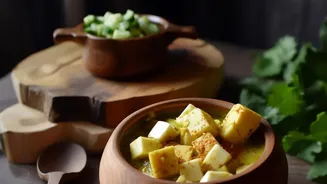
The final, and most critical, rule of Malai Kofta is to never boil the koftas in the gravy. The delicate dumplings are prone to breaking apart. Instead, gently heat your finished gravy until it is ready to serve. Just before serving, you can either place the fried or baked koftas in a serving dish and pour the hot gravy over them, or gently slide the koftas into the pot of gravy, turn off the heat, and let them sit for just a minute or two to absorb the flavours. Garnish with a swirl of cream and fresh coriander. This method ensures your koftas remain intact, crispy on the outside (if fried), and tender on the inside, providing that perfect textural contrast that makes the dish so beloved.