


A New Definition of Grandeur
The recently concluded India Couture Week 2026, held from July 23 to 29, was a showcase of the highest levels of craftsmanship. Yet, beyond the intricate embroidery and dazzling embellishments, a clear message emerged from the runways in Hyderabad and New
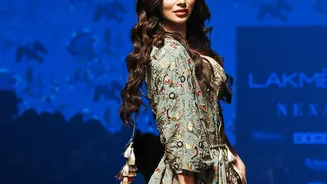
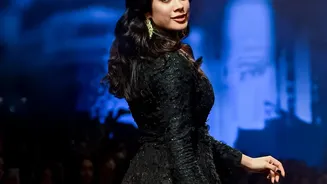
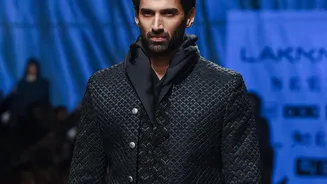
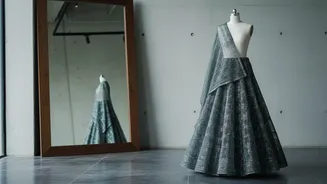
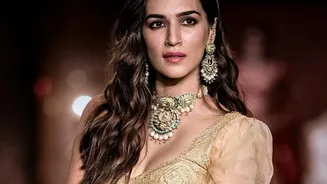
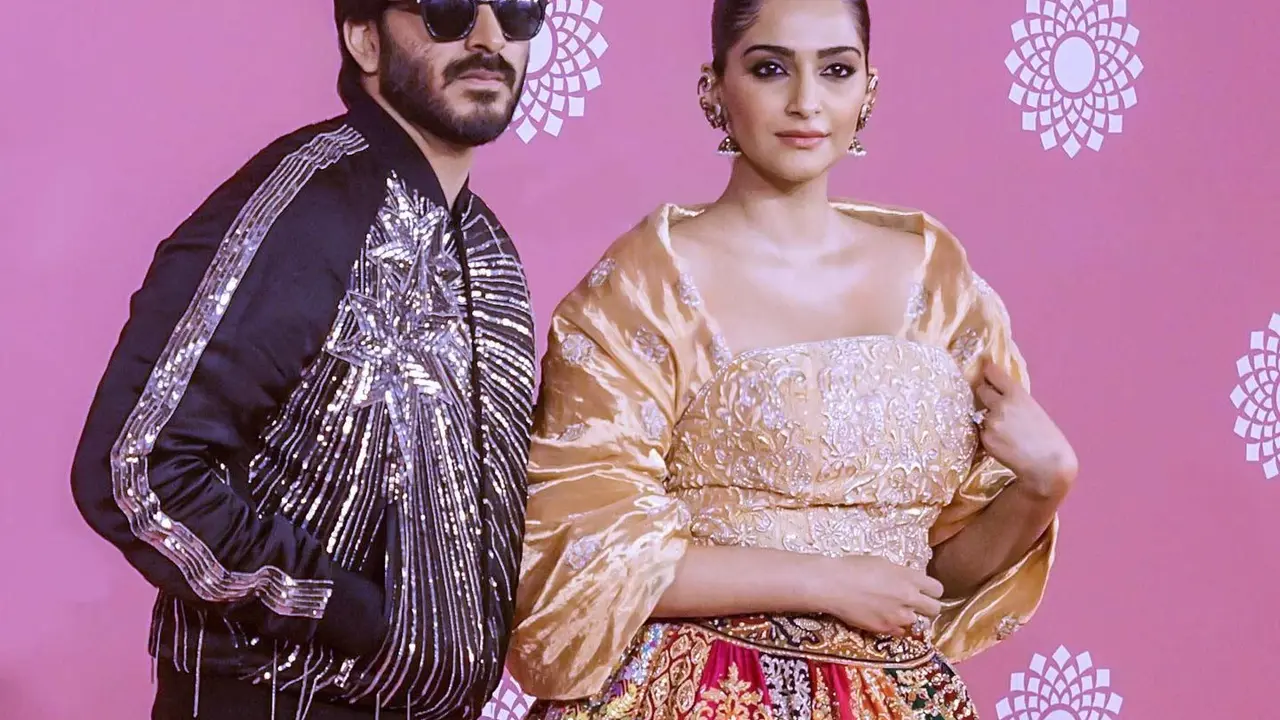
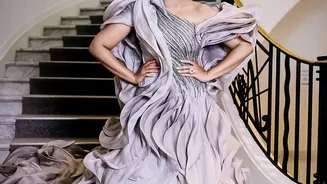
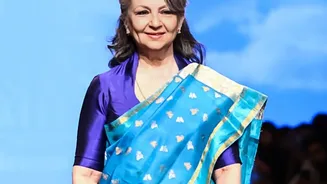
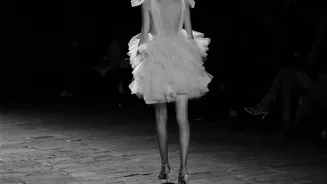
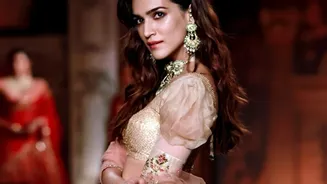
Delhi: the future of Indian celebratory wear is light. Designers are challenging the long-held belief that equates grandeur with kilos of fabric and dense zardozi. Instead, they are championing a new kind of luxury—one defined by innovative textiles, fluid silhouettes, and an emphasis on comfort and movement. This shift reflects a deeper understanding of the modern client, who desires outfits that are not only breathtakingly beautiful but also practical and wearable long after the wedding festivities are over. The focus has moved from sheer volume of work to the finesse of the craft and the intelligence of the design.
The Architects of Airiness
Several couturiers were at the forefront of this movement. Tarun Tahiliani, who presented his collection 'Navaratna' in an immersive exhibition, has long been a proponent of effortless elegance. He believes couture should feel easy, regardless of its intricate construction. His showcase featured fluid drapes, sculpted corsetry, and layered lehengas in soft ivories and delicate blush tones that moved with the body rather than constraining it. Similarly, Anamika Khanna's opening show, 'Moonlit Palace', blurred the lines between menswear and womenswear with sharply tailored jackets and sheer churidars where restrained embellishment highlighted the cut. Even designers known for maximalism, like Falguni Shane Peacock, showed glimpses of this new ease, pairing wide-legged jeans with faux fur and embellishments, proving couture can reinvent everyday items.
Fabric as the Hero
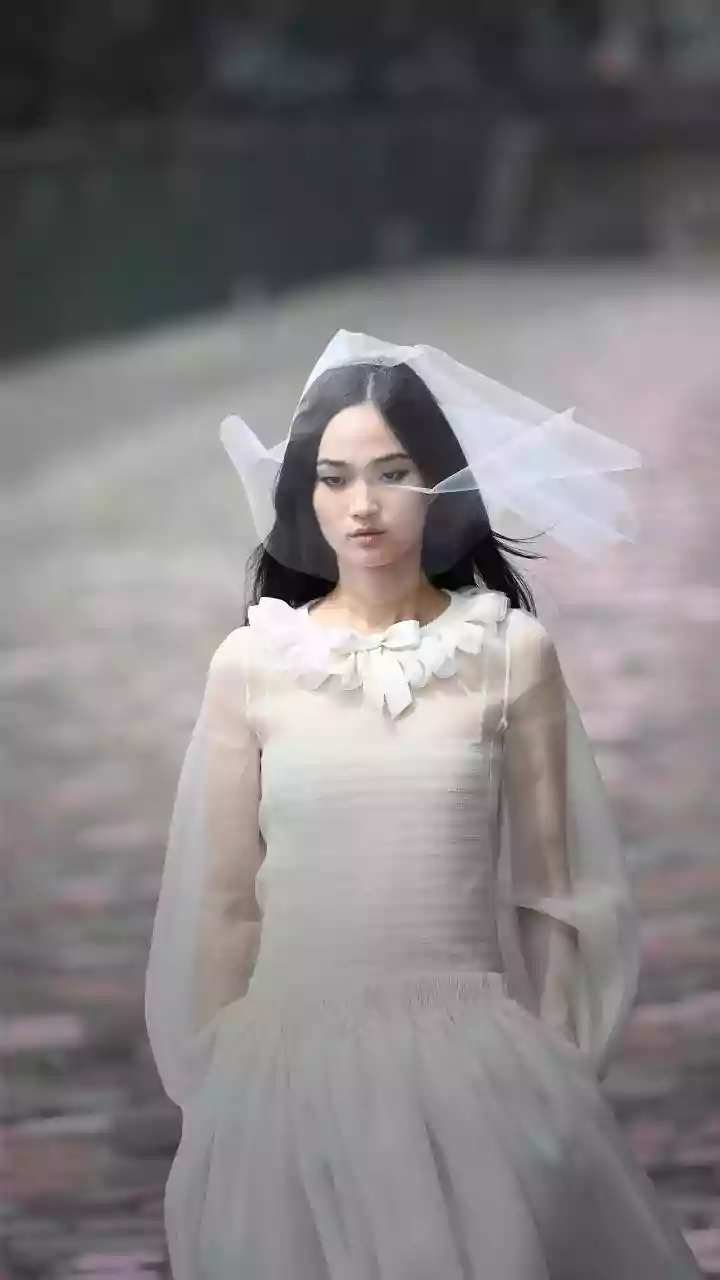
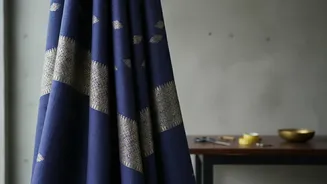
A key element in achieving this lightness is the choice of fabric. Heavy velvets and brocades are making way for organza, tissue, chiffon, and light silks. These materials offer structure, volume, and a luxurious finish without the associated weight. Designer Rimzim Dadu, for instance, experimented with turning mother-of-pearl into a textile, creating garments that captured its luminosity and ability to transform with light. Her collection 'Inlae' was inspired by the precision of inlay work in Mughal architecture, but the final garments felt modern and adaptable. Masaba Gupta, in her debut couture collection 'Chardi Kala', also embraced this idea, offering options from an embroidered pineapple-shaped bikini to white Pathani suits with sequin work, showing a versatile and playful approach to bridal wear.
The Modern Wearer's Mindset
This trend isn't just a creative choice by designers; it's a direct response to a changing consumer mindset. The contemporary bride and wedding guest want to participate fully in celebrations, which is difficult in an overwhelmingly heavy outfit. The desire for re-wearability is also a significant factor. Clients are investing in pieces that can be styled differently and worn for multiple occasions, moving away from single-use ceremonial garments. Rahul Mishra's finale powerfully illustrated this point: showstopper Sobhita Dhulipala appeared first in a hand-embroidered bodysuit, later adding a traditional ghaghra on stage. The message was clear: couture pieces can be versatile and don't have to be confined to traditional wedding attire.