







The Charm of Heritage Hostels
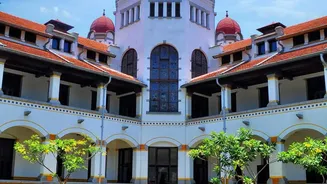
Forget the image of sterile, concrete dormitories. Sri Lanka's heritage hostels are a world away, often housed in beautifully preserved colonial-era mansions, traditional ancestral homes (walawwas), or charming planters' bungalows. These establishments
blend history with hospitality, offering travellers a place to stay that is steeped in character. Instead of generic hotel rooms, guests find themselves surrounded by antique furniture, airy verandas, and lush gardens. This trend allows property owners to maintain historic buildings while providing a much-needed service for budget-conscious visitors. The result is an accommodation choice that feels less like a temporary bed and more like a cultural experience, offering a unique window into the island's rich past.
Crunching the Numbers: Real Savings
The primary appeal of hostels is, of course, the price. For Indian tourists, this is where the savings really add up. A dorm bed in a well-regarded heritage hostel in cities like Galle, Kandy, or Colombo can cost anywhere from ₹800 to ₹2,000 per night. In comparison, a standard mid-range hotel room often starts at ₹5,000 and can go much higher. For a week-long trip, this difference can save a traveller over ₹20,000 on accommodation alone. Many hostels also feature communal kitchens, allowing guests to cook their own meals—a significant saving compared to eating out for every meal. Add in perks like free Wi-Fi, complimentary simple breakfasts, and organized low-cost local tours, and the financial benefits become undeniable. This makes a week-long Sri Lankan holiday possible on a budget of around ₹35,000 to ₹50,000.
An Experience, Not Just a Stay
While the cost savings are compelling, the true value of staying in a heritage hostel lies in the experience. Unlike the often isolating environment of a hotel, hostels are inherently social spaces. The common areas, from gardens to lounges, become melting pots where travellers from across India and the world share stories, travel tips, and plan adventures together. Many hostels foster a strong sense of community, organizing events like free cooking classes, walking tours, or movie nights. The staff, often travellers themselves, are invaluable sources of local knowledge, pointing guests toward the best street food, hidden beaches, and authentic experiences that are not in the guidebooks. This social and cultural immersion is something money cannot buy and is a key reason why many Indian tourists now prefer the vibrant atmosphere of a hostel.
Finding Your Perfect Heritage Stay
Finding these gems across Sri Lanka is easier than ever. Popular destinations for heritage-style hostels include the historic Galle Fort, the hill-country hub of Kandy, the backpacker-favourite town of Ella, and certain neighbourhoods in Colombo. Online booking platforms are the best place to start. Travellers can filter for hostels and then read reviews and look at photos to identify properties with a distinct historical character. Look for keywords like "colonial," "bungalow," "heritage," or "traditional home" in the descriptions. Some properties, like former ancestral homes or planters' retreats, have been explicitly repurposed to welcome backpackers. Booking in advance, especially during peak season (December to March), is highly recommended as the best spots fill up quickly.
A Smart Traveller's Checklist
For Indian travellers embracing the hostel trend, a few tips can ensure a smooth experience. First, take advantage of Sri Lanka's visa-free policy for Indians, but remember to apply for the free Electronic Travel Authorization (ETA) online before you depart. When packing for a hostel stay, essentials include a padlock for your locker, a universal travel adapter, a power bank, and earplugs. While many hostels are incredibly clean and comfortable, being prepared for a shared environment is key. Embrace the social nature of the stay—be open to conversations and shared activities. This approach not only enhances the travel experience but also aligns perfectly with the spirit of budget travel: spending less on accommodation to spend more on unforgettable adventures.