

Mumbaikars are no strangers to the post-monsoon 'October heat'. But as recent heat waves shatter records, this annual discomfort is turning into a public health concern, sparking a growing chorus of citizens demanding a simple, powerful solution: more
green.
A Fiercer 'Second Summer'
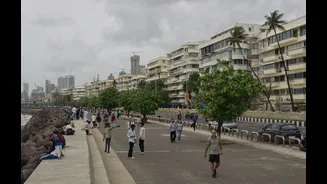
October has always been Mumbai's 'second summer', a notoriously hot and humid month following the monsoon's withdrawal. But the heat is no longer just a seasonal quirk; it's becoming extreme. In the second week of October 2026, the city endured its second heatwave in less than a week, with temperatures soaring to 38.2°C, over 5°C above normal. This wasn't an isolated event; it was the second-hottest October day in over a decade, part of an unusually oppressive and prolonged stretch of high temperatures. The India Meteorological Department (IMD) attributed the spike to an anticyclone delaying the sea breeze that normally provides coastal relief. For residents, this means more than just sweat and discomfort. It's a sign of a worsening climate reality that feels more like a peak summer crisis than the start of the festive season.
The Concrete Jungle's Fever
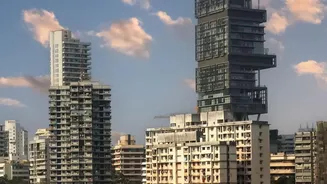
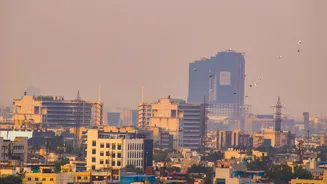
The intensifying heat is amplified by Mumbai's own landscape. The city is a classic example of the 'Urban Heat Island' (UHI) effect, where dense concentrations of pavement, buildings, and other surfaces absorb and retain heat far more than natural landscapes. This makes urban areas significantly warmer than surrounding rural regions. Mumbai's case is severe. The city has one of the lowest per capita ratios of accessible open space in India, at a mere 1.08 to 1.24 square meters per person, drastically below the World Health Organization's recommended 9 square meters. Decades of rapid urban sprawl have come at a cost. One study noted the city lost over 22% of its green cover in a single decade, with some suburbs seeing losses of over 60%. This lack of green space means less shade and less cooling from evapotranspiration, the natural process where plants release water vapor.
From Discomfort to Public Health Crisis
The combination of rising temperatures and the urban heat island effect is a serious threat to public health. Extreme heat can lead to heat exhaustion, heatstroke, and dehydration, and it exacerbates pre-existing conditions like cardiovascular and respiratory diseases. Vulnerable populations, including the elderly, children, and outdoor workers, are at the highest risk. Unusually warm nights, a hallmark of urban heat islands, prevent the body from cooling down and recovering, leading to fatigue, sleep disruption, and long-term cardiovascular strain. This is why residents' demands are shifting from a desire for pleasant parks to a non-negotiable need for critical public health infrastructure. The call for green space is a call for climate resilience and basic livability.
A Rising Chorus for Green
In response to the growing environmental stress, a vibrant citizen-led environmental movement is taking root across Mumbai. Groups like Save Aarey, Save SGNP, and Save Mumbai Mangroves are mobilizing residents to protect the city's remaining green lungs. Peaceful protests, human chains, and public awareness campaigns have become common, as citizens rally against infrastructure projects that threaten mangroves and forests. The activism isn't just about preservation; it's also about creation. Residents are transforming small plots into dense micro-forests and championing community gardens. These initiatives reflect a growing frustration with the pace of official action and a powerful statement that development cannot come at the cost of environmental survival.
Can Mumbai Be Greened?
The challenge is immense, but not insurmountable. Recognizing the crisis, the Brihanmumbai Municipal Corporation (BMC) launched the Mumbai Climate Action Plan (MCAP) in 2022. A key pillar of the plan is 'Urban Greening & Biodiversity', which acknowledges the city's low green cover and aims for a scientific approach to increasing it. The plan sets a target of reaching 40% nature coverage by 2030 through strategic interventions like planting in heat-vulnerable neighborhoods, greening schools, and restoring ecosystems. In 2023, the BMC even released a Greening Handbook to encourage citizen-led planting on balconies and in residential complexes. While these plans are promising, activists argue that their success depends on robust implementation, sustained funding, and a genuine shift in political priority from unchecked construction to sustainable, green development. The fight is not just for trees, but for a cooler, healthier, and more livable future for all Mumbaikars.