





The Perfect Monsoon Escape
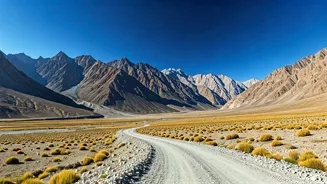
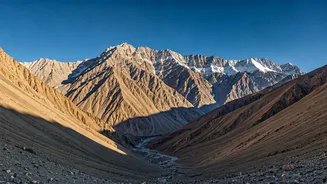
Spiti's biggest secret is its location in a rain-shadow region. The towering Pir Panjal and Great Himalayan ranges act as a massive barrier, blocking most monsoon clouds from ever reaching the valley. While the rest of the country deals with downpours,
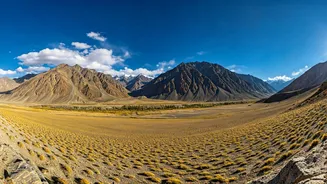
Spiti enjoys a surprisingly dry and sunny climate, making it one of the few accessible and safe Himalayan destinations from July to September. This geographical advantage means you can plan treks, sightseeing, and road trips with a much lower chance of being rained out.
A Landscape of Stunning Contrasts
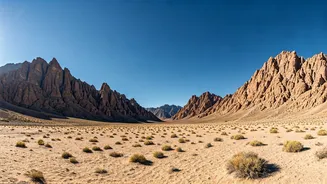
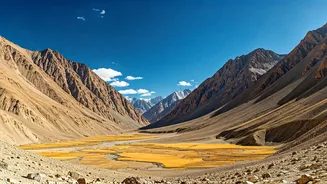
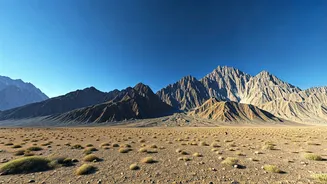
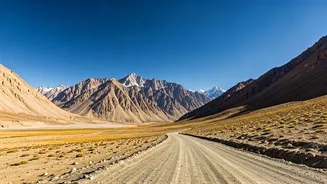
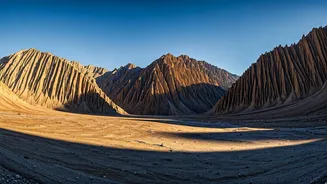
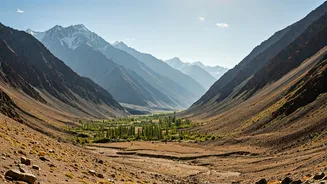
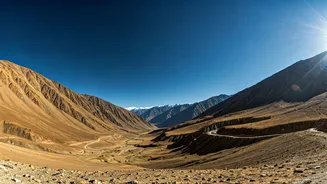
While Spiti itself remains arid, the journey there during the monsoon is a visual treat. The approach roads, particularly the route from Shimla through Kinnaur, transform into lush, green corridors. You'll witness gushing waterfalls and vibrant meadows, a stark and beautiful contrast to the barren, moon-like landscapes of Spiti. This combination of green valleys on the way and the stark, dramatic beauty of Spiti's cold desert offers a unique photographic opportunity you won't find at any other time of the year.
Fewer Crowds and More Serenity
The monsoon is considered a shoulder season for Spiti, which is great news for travellers seeking peace and quiet. With fewer tourists around, popular sites like Key Monastery, Tabo Monastery, and the village of Kaza feel more tranquil and personal. This allows for deeper cultural immersion, whether it's having a quiet moment in a thousand-year-old monastery or enjoying more authentic interactions with locals at homestays. You might also find better deals on accommodation and transport.
Clear Skies and Dazzling Stars
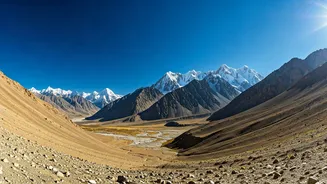
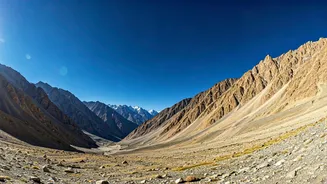
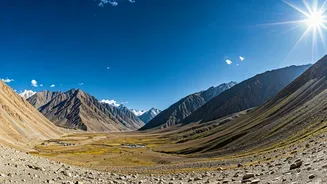
The minimal rainfall in Spiti during the monsoon often results in incredibly clear skies, especially after a brief, passing shower. This leads to crisp, clean air and some of the best visibility for viewing the majestic Himalayan peaks that surround the valley. At night, these clear skies open up a breathtaking celestial panorama. Stargazing near villages like Langza or at the iconic Chandratal Lake becomes a surreal experience, with the Milky Way often visible in all its glory.
The Thrill of the Journey
A road trip to Spiti is an adventure in itself, and the monsoon adds a layer of thrill. There are two main routes: one from Manali and the other from Shimla. The Shimla-Kinnaur route is generally considered more reliable during the rains, though it's not without its challenges like potential landslides. The Manali route, while more dramatic, can be riskier due to melting glaciers causing water crossings to swell. For adventure enthusiasts, navigating these challenges is part of the appeal. However, it's crucial to be prepared, check road status daily, and travel with an experienced driver.
A Front Row Seat to Local Culture
The monsoon season in Spiti can also be a time of vibrant local culture. Depending on the dates, you might get to witness traditional festivals like the La Darcha Fair, which historically celebrated trade between Spiti, Ladakh, and Tibet. This fair, often held in July or August in Kaza, is a colourful explosion of traditional music, dance, and local commerce, offering a rare glimpse into the region's rich heritage. Engaging with these events provides a connection to the valley that goes beyond just its landscapes.