






1. Master Your Commute and Vehicle
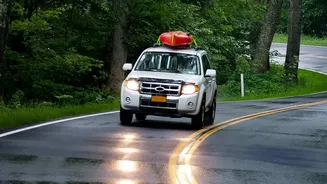
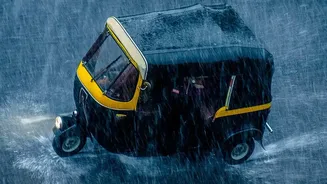
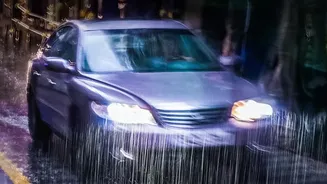
Driving or riding in heavy rain requires extra caution. Roads become slick, reducing tyre grip and increasing stopping distances. Reduce your speed significantly and maintain at least double the normal following distance from the vehicle ahead. Before
the season starts, ensure your tyres have adequate tread and your brakes are in good working condition. During a downpour, use low-beam headlights to improve your visibility to others. Never attempt to drive through heavily waterlogged streets. It can be impossible to gauge the water's depth or see hidden dangers like open manholes. Stalling in deep water can cause severe engine damage. If you rely on public transport, plan for significant delays and have backup routes in mind. Keep your phone charged and a power bank handy, as you might be stranded for longer than expected.
2. Beware of Electrical Hazards
Water and electricity are a deadly combination, and the monsoon increases the risk of electrical accidents in urban areas. Be vigilant about your surroundings. Never touch electrical poles, streetlight posts, or exposed wires, as they can become energized during rains. If you see a downed power line, assume it is live and maintain a safe distance of at least 30 feet. At home or in the office, never handle electrical switches or appliances with wet hands. During thunderstorms or severe power fluctuations, it's wise to unplug non-essential electronics like televisions and computers to protect them from voltage surges. If your home or basement is prone to flooding, know how to safely turn off your main power supply, and never touch electrical equipment while standing in water.
3. Navigate Waterlogged Areas Cautiously
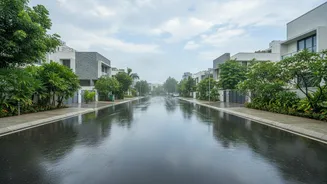
Waterlogged streets are a common sight in many Indian cities during the monsoon. This stagnant water is not just an inconvenience; it’s a major health and safety hazard. It can conceal open manholes, deep potholes, and sharp debris. Furthermore, floodwater is often contaminated with sewage and industrial waste, posing a risk of diseases like leptospirosis and other infections. If you must walk through unavoidable puddles, move slowly and use a stick or a folded umbrella to probe the path ahead. Avoid walking in stagnant water whenever possible. Appropriate footwear is crucial. Choose waterproof, sturdy shoes with good grip to prevent slips and protect your feet from contaminated water and potential injuries.
4. Prioritise Health and Hygiene
The monsoon is a peak season for various illnesses. Stagnant water becomes a breeding ground for mosquitoes, leading to a spike in diseases like dengue, malaria, and chikungunya. Use mosquito repellent, wear full-sleeved clothing, especially during dawn and dusk, and ensure there's no stagnant water collecting in or around your home. Water-borne diseases such as typhoid and cholera are also common due to contaminated drinking water. Always drink boiled, filtered, or trusted bottled water. Be wary of street food, as the high humidity and potential for contaminated water increase the risk of food poisoning. Maintain personal hygiene by washing your hands frequently and taking a shower with antiseptic soap if you get drenched in the rain.
5. Dress Smart and Pack Right
Your choice of clothing and what you carry can make a huge difference to your comfort and safety. Opt for lightweight, synthetic fabrics like polyester or nylon that dry quickly. Damp clothes can lead to fungal infections and make you feel cold. Always carry a sturdy umbrella or a reliable raincoat. For footwear, avoid leather shoes, heels, or flip-flops. Instead, wear rubber sandals with a backstrap or waterproof boots that offer good traction on slippery surfaces. It's also a good idea to carry a small 'monsoon kit' in your bag. This could include a waterproof pouch for your phone and wallet, a hand sanitiser, a small first-aid kit with antiseptic and bandages, and perhaps a spare pair of socks.