






The Old Way: The Limits of 'Macro Math'
For many health-conscious individuals, nutrition has long been a numbers game. The 'If It Fits Your Macros' (IIFYM) approach encouraged people to focus on hitting daily targets for protein, carbohydrates, and fats. This system, while simple, has a major
flaw: it assumes all protein sources are processed by the body in the same way. Just counting the grams of protein on a label—what we can call 'macro math'—doesn't tell you how much of that protein your body can actually absorb and use. This is especially true for plant-based proteins, where simple math often overestimates the real nutritional benefit.
The Plant Protein Challenge: Digestibility
Plant-based foods are nutritional powerhouses, but their protein often comes with compounds that can hinder digestion. Factors like fibre, tannins, and phytates, sometimes called 'anti-nutrients', can reduce how much protein is absorbed by your body. This means that while a serving of beans or lentils may have a high protein count on paper, the amount your body effectively uses—its bioavailability—is lower than that of animal-based proteins like whey or eggs. Plant proteins may have a digestibility of 70-90%, compared to over 95% for many animal sources. This difference is why a more sophisticated measurement system is needed.
The New Gold Standard: DIAAS Explained
Enter the Digestible Indispensable Amino Acid Score, or DIAAS. Proposed by the Food and Agriculture Organization (FAO) of the United Nations to replace the older PDCAAS system, DIAAS is a more accurate way to measure protein quality. Unlike older methods that measured digestibility in the entire digestive tract, DIAAS measures the absorption of individual amino acids at the end of the small intestine—exactly where they are taken up for use by the body. This provides a much truer picture of a protein's value. Crucially, DIAAS scores are not capped at 1.0 (or 100%), allowing it to show the superior quality of some proteins, a feature the old PDCAAS system masked.
Why DIAAS is a Game-Changer
The shift to a DIAAS-based understanding is significant for several reasons. It provides a more accurate comparison between different protein sources, helping consumers make truly informed choices. For example, under the old system, both a high-quality whey protein and a good-quality soy isolate might receive a top score of 1.0, making them seem equal. With DIAAS, the whey protein might score 1.09 while the soy scores 0.92, revealing a meaningful difference in amino acid availability. This level of detail empowers consumers and manufacturers to create and choose products that are genuinely effective, rather than just high in total protein grams.
What This Means for Indian Consumers
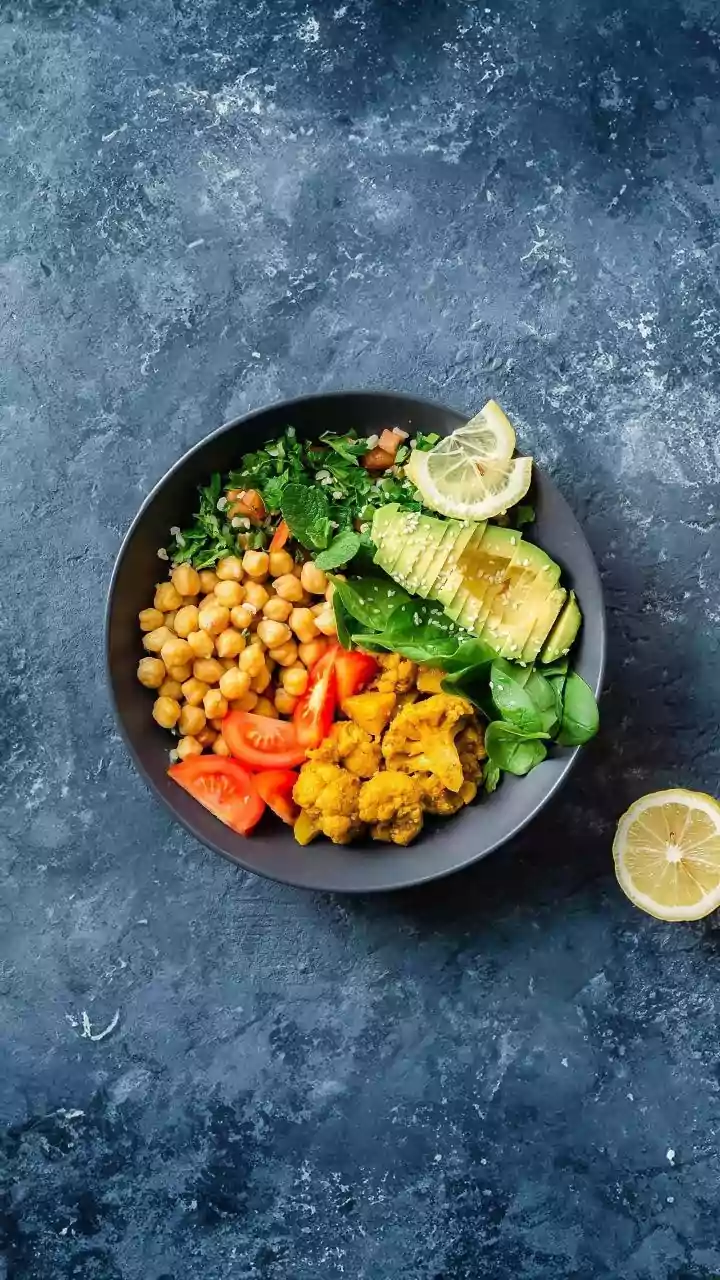
In India, where a large portion of the population follows a vegetarian diet, understanding protein quality is vital. Common staples like lentils (dal) and chickpeas have DIAAS scores of around 0.75 and 0.69, respectively. This doesn't mean they are poor choices, but it highlights the need for a varied diet to get a complete amino acid profile. Combining different plant proteins, like beans and rice, can create a more complete protein profile. As the Food Safety and Standards Authority of India (FSSAI) continues to tighten regulations on protein supplements to combat misleading claims, an awareness of quality metrics like DIAAS will become increasingly important for consumers. Looking for FSSAI-certified products is a key first step to ensuring safety and accuracy.