




What Exactly Is 'Healthy Ageing' Fitness?
When you picture a gym, you might imagine loud music, heavy weights, and intense cardio sessions. Healthy ageing sessions flip that script. This isn't about watered-down exercises; it's about smarter, more purposeful movement. The focus shifts from aesthetics
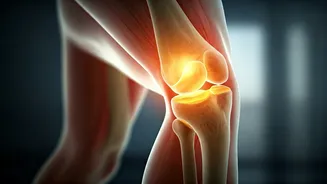
or athletic prowess to functional fitness—the ability to perform daily activities with ease and without pain. Think of it as training for life itself. This includes movements that improve balance to prevent falls, build strength to carry groceries or play with grandchildren, and increase mobility to keep joints supple. It’s a proactive approach to health that views fitness not as a short-term goal, but as a lifelong practice for maintaining independence and vitality.
The 'Why Now' Factor
This trend didn't emerge in a vacuum. Several social and demographic shifts are fuelling its rise. Firstly, India's population is ageing. More people are living longer, and there's a growing cohort of active, financially independent individuals over 50 who are refusing to slow down. Unlike previous generations, they are digitally savvy, health-conscious, and willing to invest in their well-being. Secondly, the fitness industry itself is maturing. Trainers and gym owners are recognising a huge, underserved market that isn't interested in the high-intensity, one-size-fits-all models that dominate the space. Finally, the pandemic played a role, highlighting the importance of robust health and creating a greater appreciation for low-impact, sustainable forms of exercise that can be done consistently.
Inside a Typical Session
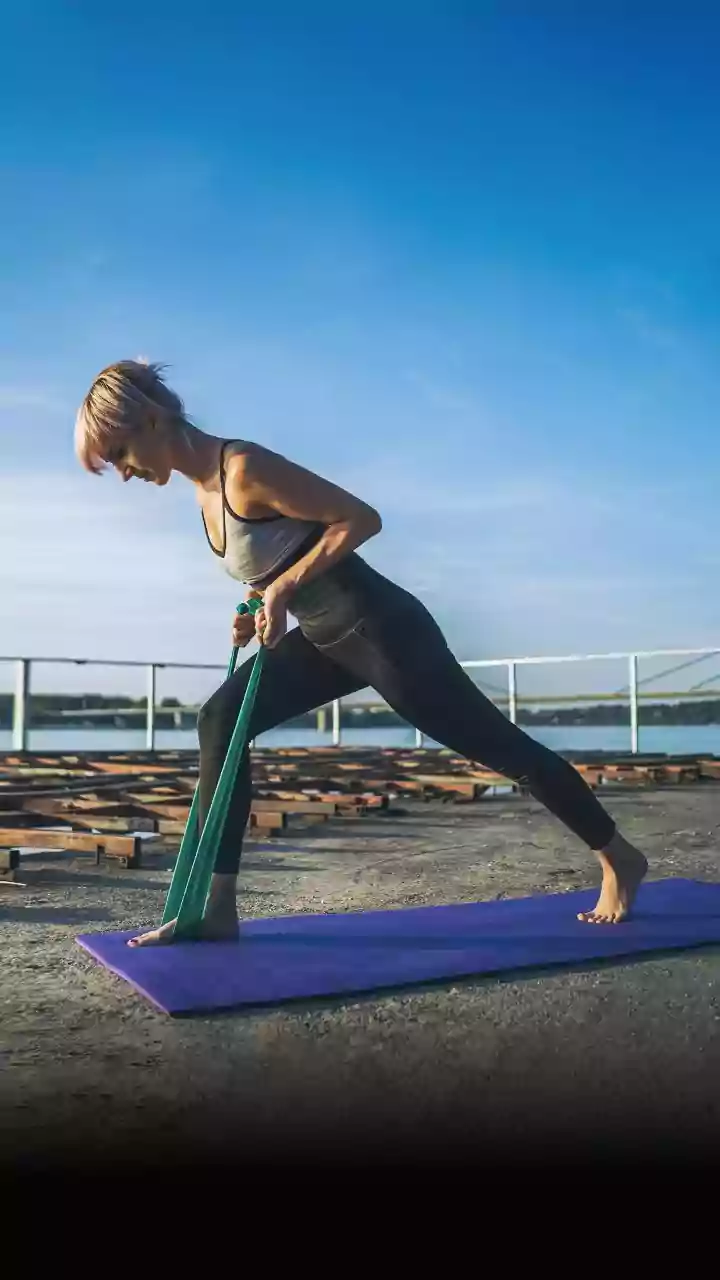
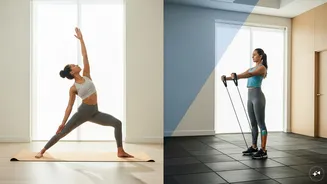
So, what can you expect if you walk into a healthy ageing class? While sessions vary, they are built around a few core pillars. Mobility work is key, often starting with gentle stretches and joint rotations to warm up the body. Strength training is a major component, but it looks different here. Instead of heavy barbells, you’ll see resistance bands, light dumbbells, and bodyweight exercises designed to build muscle mass and improve bone density—both crucial for preventing osteoporosis. Balance drills, such as standing on one leg or walking heel-to-toe, are a non-negotiable part of the routine, directly addressing the risk of falls. Some classes even incorporate cognitive exercises, like remembering a sequence of movements, to keep the mind sharp.
More Than Just Physical Gains
The benefits of these sessions extend far beyond the physical. For many attendees, the sense of community is just as important as the workout itself. In a world where loneliness can be a significant health risk, especially for older adults, these classes provide a space for social connection and shared purpose. They foster friendships and a support system among peers who are navigating similar life stages. This social aspect boosts adherence—you're more likely to stick with a routine when you're doing it with friends. The mental health benefits are also profound, with regular exercise proven to reduce symptoms of depression and anxiety, improve sleep, and boost overall mood.
Finding the Right Fit for You
As the trend grows, more gyms and independent studios, particularly in urban centres, are offering specialised classes. If you're interested, look for trainers who have certifications in senior fitness or corrective exercise. A good instructor will conduct a thorough assessment before you begin, ask about pre-existing conditions or injuries, and offer modifications for every exercise. The environment should feel welcoming and non-intimidating. Don't be afraid to ask for a trial class to see if the pace and style suit you. The goal is to find a programme that challenges you safely and leaves you feeling energised and capable, not exhausted and sore.