

In the world of South Indian cuisine, adai holds a special place. This protein-packed lentil and rice pancake is a comforting classic. Now, a modern twist is making it even better by incorporating one of today's most popular health foods: oats.
The Classic Adai Explained
For the
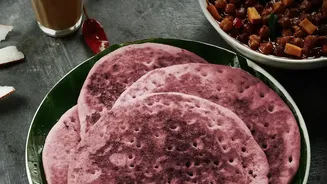
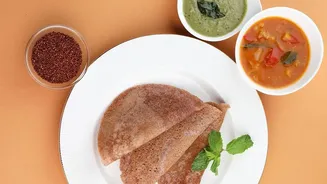
uninitiated, adai is a savoury pancake from Tamil Nadu, thicker and more nutrient-dense than its popular cousin, the dosa. Traditionally, it is made from a batter of soaked and ground lentils—typically toor dal, chana dal, and urad dal—mixed with rice. This combination creates a dish that is rich in plant-based protein and fibre. The batter is seasoned with ingredients like red chillies, asafoetida, curry leaves, and sometimes ginger or chopped onions, giving it a distinctive, spicy flavour. Unlike dosa batter, adai batter does not require fermentation, which means it can be prepared and cooked on the same day after a few hours of soaking the ingredients. The result is a wonderfully textured pancake that is crispy on the outside and soft on the inside, making it a filling and satisfying meal for breakfast or dinner.
Why Add Oats to a Classic?
The introduction of oats into the traditional adai recipe is a perfect example of culinary evolution, blending the old with the new for enhanced nutritional value. Oats are celebrated globally for their impressive health benefits. They are an excellent source of dietary fibre, particularly a soluble fibre called beta-glucan, which is known for its role in reducing cholesterol levels and helping to maintain stable blood sugar. This makes oats adai an even more heart-healthy and diabetic-friendly option. The high fibre content also promotes a feeling of fullness, which can aid in weight management. Furthermore, oats are packed with essential nutrients like manganese, phosphorus, magnesium, and iron. When added to the already protein-rich lentil base of adai, oats boost the overall nutritional profile without compromising the fundamental taste and spirit of the dish. They lend a slightly softer, heartier texture, creating a modern classic that feels both familiar and refreshingly wholesome.
Crafting the Perfect Oats Adai Batter
Making oats adai is surprisingly straightforward. The process begins just like the traditional version: by soaking a mix of lentils. A common combination includes toor dal (pigeon peas), chana dal (Bengal gram), and urad dal (black gram), soaked for at least two to four hours. The key difference lies in the treatment of the grains. While some recipes use a small amount of rice, others replace it entirely with oats. Rolled oats are often preferred as they can be ground directly with the soaked lentils without needing to be soaked themselves. Some cooks prefer to lightly roast the oats before grinding to enhance their nutty flavour. Along with the lentils and oats, flavourings like dried red chillies, ginger, fennel seeds, and asafoetida are added to the grinder. The goal is to create a batter that is slightly coarse and thick—not as smooth or thin as a dosa batter. Once ground, finely chopped onions, fresh curry leaves, and coriander are stirred in to complete the batter.
Cooking and Serving Suggestions
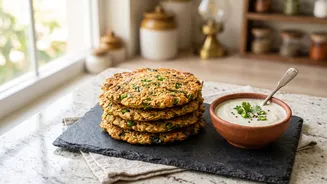
Cooking the adai is an art that balances heat and patience. The batter is ladled onto a hot tawa or griddle, which is ideally made of cast iron for even heat distribution. It’s spread into a circle, generally thicker than a dosa. A signature technique for cooking adai is to make a small hole in the centre, which allows oil or ghee to be drizzled in, helping it cook through evenly and become perfectly crisp. The adai should be cooked on medium-low heat for a few minutes on each side until it is golden brown and cooked through. Patience is key to achieving that desired crispy edge and soft interior. Oats adai is wonderfully versatile when it comes to serving. The classic and most beloved pairing is with avial, a mixed vegetable stew cooked in a coconut and yogurt gravy. Other popular accompaniments include fresh coconut chutney, spicy garlic chutney, or simply a spoonful of butter and a side of jaggery for a sweet and savoury contrast.