




We often worry about fatigue or distractions while driving, but what about the snack you just ate? The wrong foods can trigger a sugar 'spike and crash', impairing your focus and reaction time just when you need them most.
The Spike-and-Crash Cycle Explained
When you consume foods or drinks
high in refined sugars and simple carbohydrates—think packaged juices, sweets, biscuits, or white bread—your body gets a rapid flood of glucose. This is the 'sugar spike'. In response, your pancreas releases insulin to help move this glucose from your blood into your cells for energy. However, this sudden surge often causes the body to overcompensate, releasing too much insulin. This leads to a sharp drop in blood sugar, a condition known as reactive hypoglycemia, or the 'sugar crash'. This entire cycle can leave you feeling shaky, irritable, and mentally foggy. While this is uncomfortable at your desk, it can be dangerous behind the wheel of a car.
How a Sugar Crash Impairs Driving
A driver experiencing a sugar crash is not a focused driver. The symptoms of low blood sugar directly impact the cognitive skills essential for safe driving. These can include blurred vision, confusion, dizziness, and a significantly reduced ability to concentrate. Your reaction time can slow down, making it harder to respond to sudden hazards on the road, and your decision-making may become impaired. Studies have shown that both high blood sugar (hyperglycemia) and low blood sugar (hypoglycemia) can negatively affect driving performance. The fatigue and 'brain fog' that follow a sugar spike can be as dangerous as drowsy driving, making it difficult to maintain lane discipline or judge distances accurately.
Common Culprits to Avoid Before a Drive
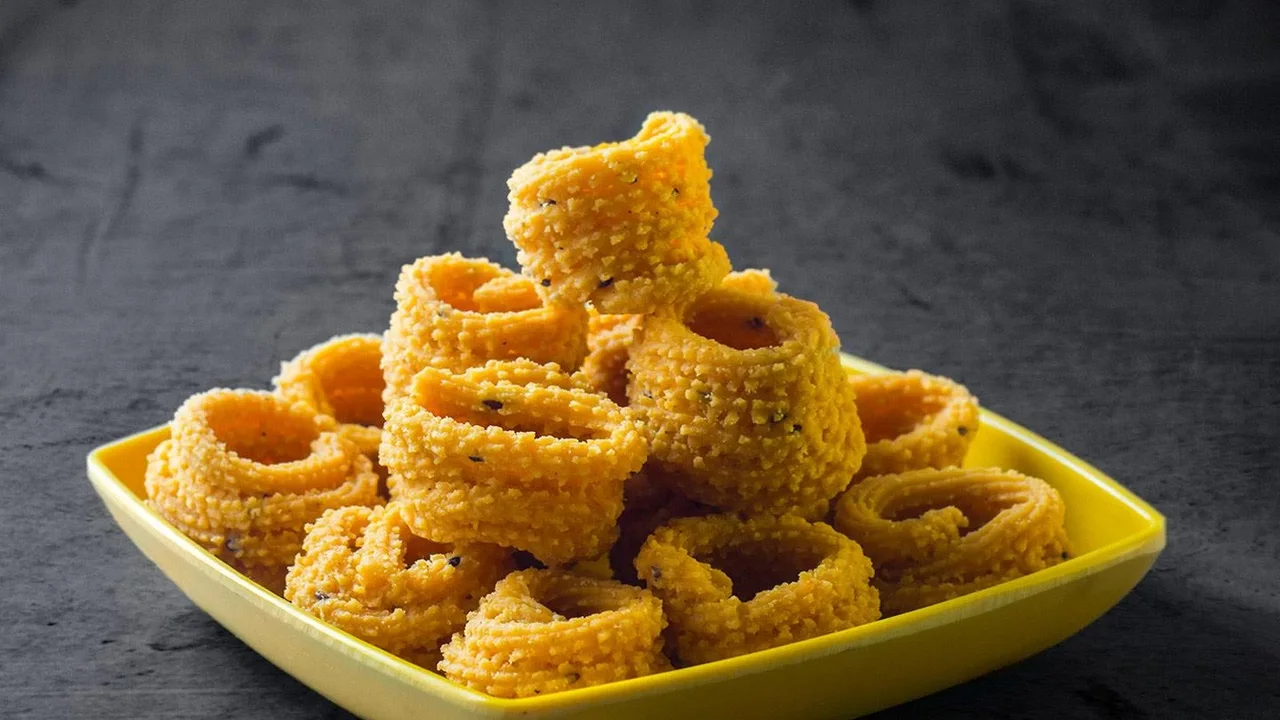
Many common on-the-go snacks and drinks are high on the glycemic index, meaning they cause the fastest blood sugar spikes. Before starting a journey, it's wise to steer clear of these items. This includes sugary drinks like sodas and packaged fruit juices, sweets (mithai), chocolate bars, and energy drinks that promise a quick boost but deliver a hard crash. Also on the list are snacks made from refined flour (maida), such as samosas, cream biscuits, and white bread sandwiches. Even seemingly harmless options available at petrol stations and roadside stalls can be loaded with hidden sugars and processed carbs, making them poor fuel for a safe trip.
Smarter Snacks for Safer Journeys
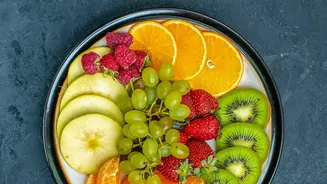
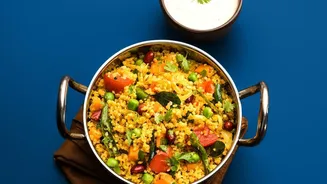
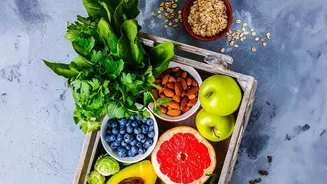
The key to maintaining stable energy and focus is choosing snacks with a low glycemic index (GI). These foods release glucose slowly and steadily into the bloodstream, preventing the spike-and-crash cycle. For your pre_drive meal or snack, focus on a balance of protein, healthy fats, and complex carbohydrates. Excellent choices that are popular and easily available in India include roasted chana (Bengal gram), a handful of nuts like almonds and walnuts, or makhana (fox nuts). Other great options are sprouts salad, moong dal chilla, or a small serving of curd (yogurt) with seeds. These snacks provide sustained energy, helping you stay alert and focused for the entire duration of your drive.