



The City as a Giant Storage Heater
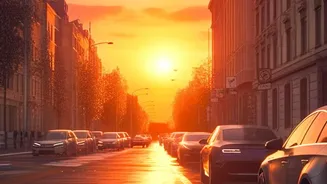
The core of the problem lies in a phenomenon known as the Urban Heat Island (UHI) effect. In simple terms, our cities are significantly hotter than the surrounding rural areas. This happens because the materials we use to build them—concrete, asphalt,
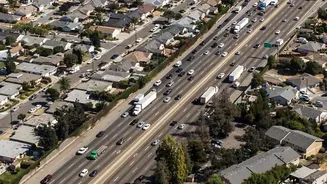
and brick—are brilliant at absorbing and storing the sun’s energy. Unlike natural landscapes with soil and vegetation, which use sunlight for processes like evapotranspiration that have a cooling effect, urban surfaces just soak up heat all day. Dark-coloured materials, like the asphalt that covers about a third of an average city, can absorb up to 95% of the solar radiation that hits them. This turns the urban environment into a massive, slow-release storage heater that continues to radiate warmth long after the sun has set.
Why the Monsoon Doesn't Bring Total Relief
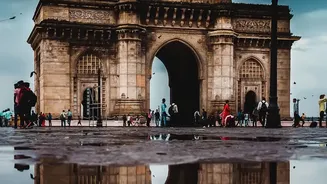
One would assume that monsoon showers would cool everything down. While the rain does offer temporary respite, it introduces another complicating factor: humidity. High humidity makes it harder for our bodies to cool down through sweating and also prevents the land from cooling efficiently at night. The air becomes saturated with moisture, trapping heat near the ground. Studies have shown that in humid regions like much of India during the monsoon, this trapped moisture can amplify discomfort and heat stress, even if the air temperature itself isn't extreme. So, while the rain might cool surfaces for a short while, the combination of stored heat radiating from buildings and the blanket of humidity means the overall feeling of warmth persists, creating oppressive conditions.
The Night-Time Heat Trap
The effect is most pronounced at night. In natural environments, surfaces cool down quickly after sunset, allowing the air temperature to drop. In cities, the script is flipped. Buildings and roads, having absorbed heat all day, release it slowly throughout the night, leading to significantly higher nighttime temperatures compared to rural areas. This lack of nighttime cooling is a major health concern, as it prevents our bodies from recovering from daytime heat stress. The dense layout of cities, with tall buildings creating "urban canyons," further traps heat and obstructs cooling breezes, making it even harder for the accumulated warmth to escape.
The Compounding Effect on Our Lives
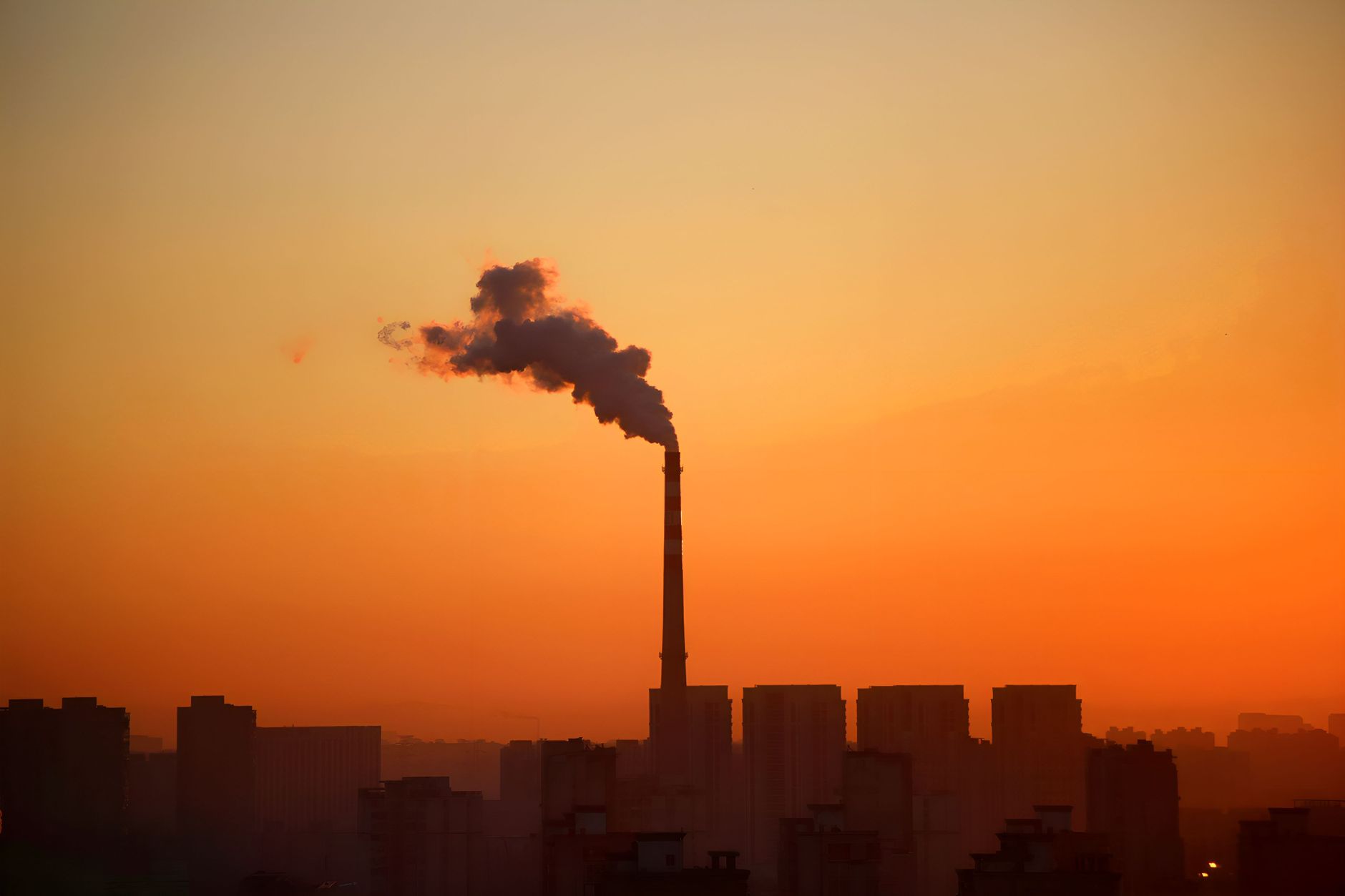
This persistent warmth isn't just a matter of discomfort; it has tangible consequences. The elevated temperatures drive up the demand for air conditioning, putting a strain on electricity grids and increasing energy consumption. This, in turn, often contributes to the very emissions that fuel climate change. Furthermore, the urban heat can interact with atmospheric conditions, sometimes influencing weather patterns. Some research suggests that the heat rising from cities can affect cloud formation and even lead to more intense, concentrated bursts of rainfall downwind of urban centres.
Paving a Cooler Path Forward
Fortunately, cities are not powerless against this phenomenon. Urban planners and policymakers are increasingly looking at solutions to mitigate the urban heat island effect. Strategies include implementing "cool roofs" with reflective white paint that can lower indoor temperatures, and using lighter-coloured, more permeable materials for pavements. The most effective long-term solution is increasing green infrastructure. Expanding parks, planting roadside trees, and creating green belts helps provide shade and promotes cooling through evapotranspiration. Cities like Ahmedabad and Delhi have already begun implementing Heat Action Plans that incorporate some of these measures, aiming to build more resilient and liveable urban environments for the future.